
Step Inside A Cold War Nuclear Bunker: The Man Prepared for WWIII
The safest place in the event of war
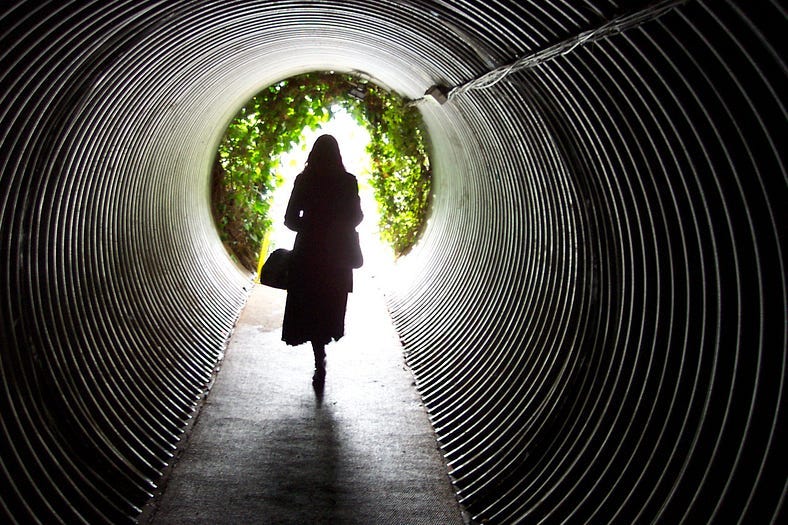
Kelvedon Hatch Secret Nuclear Bunker in Essex, England, is a fantastic piece of cold war history. It’s perhaps most interesting at a time like this, because it relates to the last time Russia posed an imminent threat of nuclear war.
Back in the 1950s, the cold war was looking like it might get nuclear. The British Government developed a campaign with pamphlets called, ‘Protect and Survive’ to be distributed to households.
They also made films to be shown on television, instructing people how to prepare for nuclear war and how best to protect themselves. The films were never shown, because that immediate threat of nuclear war never came. However, public fascination resulted in the original pamphlets being revised and circulated in 1980.
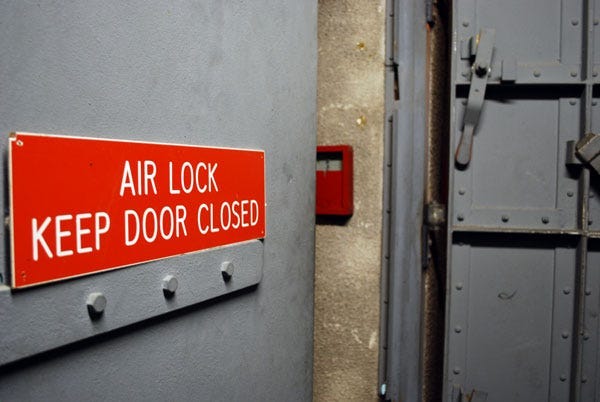
Today Kelvedon Hatch Secret Nuclear Bunker is open to visitors and you can watch those 1950s films inside. You’ll also see the entrance tunnel, blast doors, the Home Office Radio Room, the Plotting Floor, the Filtration and Cooling Room, the Plant Room, the Government Department Floor, the Sick Bay, the washrooms, the dormitories, and the canteen, which now serves refreshments to visitors.
It’s huge! Surprisingly so.
The bunker was designed for up to 600 military and civilian personnel, possibly including the Prime Minister. Together, they would organise and support the survivors after a nuclear war.
Meet the owner
Mike Parrish, the owner of the Kelvedon Hatch Nuclear Bunker explains what it’s like to be the owner and custodian of such an unusual historic building.
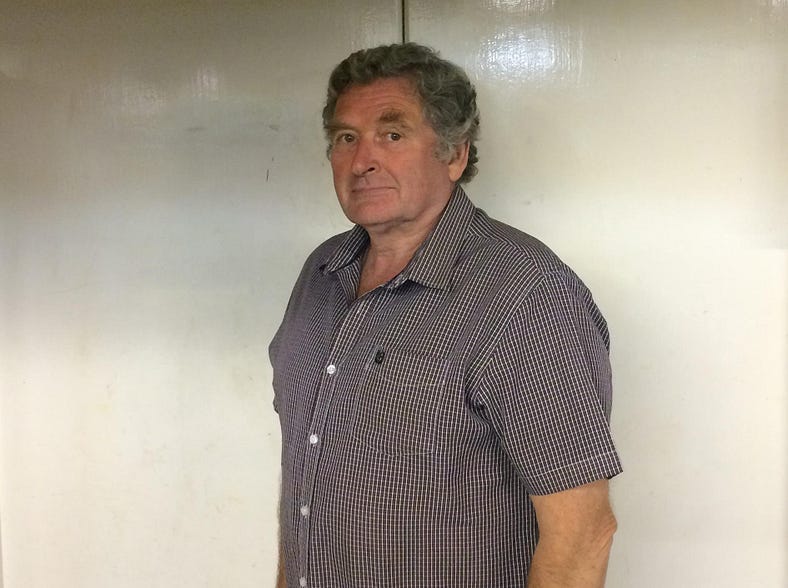
“I feel quite proud to be the steward of this part of British history,” he says. “There are very few cold war bunkers of this size in existence — the government filled in most of them, or turned them into other things. We’re unique. And the bunker’s not small either; it’s enormous!
“It was built on our farmland in the early 1950s, and makes a lovely diversification opportunity for a farming family. We welcome the public, and at the moment I’m still in love with them! We meet some lovely people.
“From a personal perspective, the best thing about owning the bunker is the diversification opportunity. I’m a 5th generation farmer and my son is the 6th generation. He came back from studying agriculture at university and I was able to hand over the running of the farm to him, while I concentrated on running the bunker. It’s worked well for us — he uses his university knowledge and modern technology on the farm, so his education isn’t wasted.
“We have a responsibility to deliver something people want to see, and to interpret the bunker’s history in an interesting and engaging way. That’s a challenge. There’s a whole generation of people who haven’t lived through Cuba or Hiroshima, so some of our visitors have less idea of the bunker’s significance than perhaps people did in the past.
“Some visitors expect to see modern gadgets, but it’s a 1980s bunker and people don’t realise that modern electrics would all be wiped out by an electro-magnetic pulse during nuclear war. The 1980s technology inside is the best technology to have in the event of a nuclear attack.”
“Now there’s a deeper interest too, in that the bunker will have a real life role if nuclear war breaks out. I’ll be heading inside with my family!
Opening to the public
“There are maintenance, security, and safety issues to consider when you open any attraction to the public. We obviously have to comply with health and safety, some of which is stupid, and some of which is sensible. There are all sorts of rules and regulations with regards to food safety (in the canteen), electrical testing, and fire. A lot goes on behind the scenes.
“Luckily the atmosphere inside the bunker is stable. The temperature, at 60 degrees Fahrenheit, means there’s little humidity, so the bunker and its equipment stays dry and in good condition. Flies and moths don’t like it down there either.
“Visitors will fiddle, open drawers and tamper with things, without putting them back afterwards, so we have to keep on top of that and put things back in place after they’ve gone.
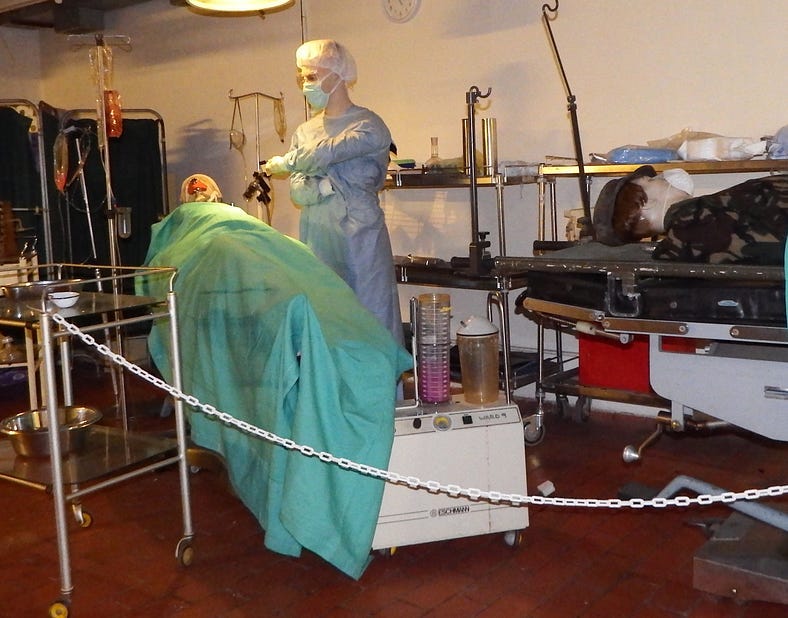
“We used to have dummies down there, in a roped off area, and people couldn’t resist fiddling with the wigs. The dummies’ hair ended up looking a mess, so a hairdresser offered to come in free of charge to re-do the wigs. But people messed them up again in no time. They find fiddling irresistible!”
Security
There are no ticket staff and the attraction operates on an honesty box system, which seems unusual and prone to abuse. I asked Mike about that and the risk of thieves.
He said, “Once we lock up after closing, the bunker is very secure. The walls are 10 foot of reinforced concrete! During opening hours we have enough security in place, despite a very modest staff presence.
“There’s an honesty box system at the exit, where people pay. It saves me about £60 a day on the cost of employing ticket staff. 99.9% of people are honest and some won’t even take their change — that helps to make up for anyone who takes out more change than they should!
“You can usually tell if there’s someone a bit dodgy who doesn’t intend to pay — their body language gives it away — so we’re there hovering when they come out! The items inside the bunker have no financial value — they’re just there for historical interest — so they wouldn’t be of interest to thieves.
Groups and events
“We hire the bunker out to groups, and a lot of paranormal investigations take place inside. We also have scouts and role playing inside. We used to have military vehicle shows too.
“On the farm, we run the Nuclear Races three times a year — in May, September and November, with smaller ones in between. It’s the best mud run in the country. Participants run through the bunker in the dark and it’s a 15 to 20 kilometre cross-country run with obstacles. It’s a big event, and it’s very physically demanding for those taking part: the SAS would be glad to do it!
“Film makers like the unique environment of the bunker too. We’ve recently had Bollywood filming inside — it’s a WWI movie about boys from India who left their sunshine country to come to the UK and fight. Many of the actors take part for free, in memory of their grandparents who made the journey.
“They’re also filming a BBC game show type thing, but I can’t say any more! Some of the film crews are dead easy to work with. They just turn up and get on with it.
“Others, like the Bollywood crew, because they’ve come from India, turn up with no tools and no art department. I’m their source for all the equipment they need, which can be a bit time consuming! On the pleasant side, I do get to meet the stars, like Bill Bailey.
“I’ve got used to seeing the bunker on television now, but 20 years ago, I’d ring up my relatives and get all excited about any imminent screenings. It still surprises me when there’s a film with the bunker on TV and we get a credit at the end.
“A film called ‘Let’s Be Evil’ was filmed here starring the girl from Les Miserables, Isabelle Allen. They were filming for four weeks. There’s been a huge amount of filming over the past 20 years — too many films to list!”
You can watch Mike take you on a tour of the bunker here…
© Susie Kearley 2024. All Rights Reserved.
More from me…


