Step 2: Getting Clear on Your Vision
So what‘s the change you want to make?
This is part of a series of free lessons on using The Happy Startup Canvas to building a startup that matters. If you haven’t already, read the first introductory post and download the worksheet.
How did you get on with the first lesson?
If your purpose is your why, then your vision is what you hope to achieve over the long term.
In other words, ask yourself “If I remain committed to my purpose, what can I accomplish?” How will the world be different when you’re done?
Without a clear vision, you’re going to be in danger of pursuing opportunities for the wrong reasons (typically, just for the money). We’re assuming you’ve got this far because you want the work you do to have a point, not just bring in cash.
Why is a vision important?
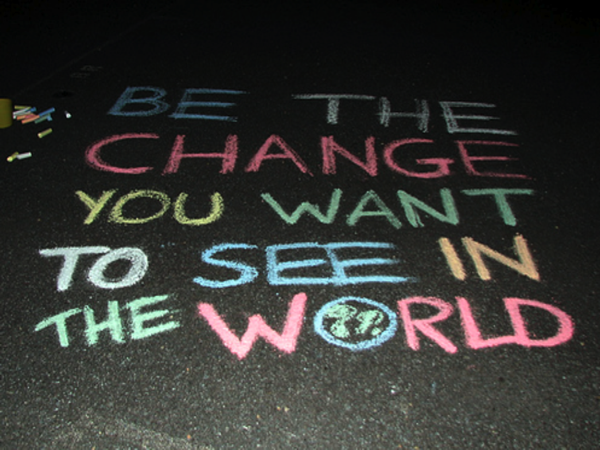
“There’s lots of bad reasons to start a company. But there’s only one good, legitimate reason, and I think you know what it is: it’s to change the world.” Phil Libin, Evernote
Your vision should be simple, powerful and inspiring — a view of the future that gets you and others excited.
This will get you through the hard times and allow you to keep persevering, so it needs to get your blood pumping. A compelling vision will stop you getting bogged down in the detail and prevent you from getting too attached to short-term success.

In the startup world there’s a lot of talk about pivoting your business model based on feedback from the market.
However us entrepreneurs are a strange bunch and the best ones can see things others don’t — they can spot trends and connect the dots way before anyone else. This can mean that you need to trust your gut and intuition, particularly early on where little data is available to back up your hunches.
It’s about having faith in what you’re doing and getting comfortable saying yes when everyone around you is saying no.
POWER UP: Watch Jack Hubbard’s inspirational talk Bucketlist Business Planning at Happy Startup Summercamp and hear his inspiring vision for an Alpine playground for entrepreneurs called Dream Valley
Helping Hand
“The secret of leadership is simple: Do what you believe in. Paint a picture of the future. Go there. People will follow.” Seth Godin
One place to start is by framing what you’re doing against how things currently are — what is the status quo that you’re trying to disrupt?
Having an enemy
When we first launched The Happy Startup School we were quite clear about what we were fighting against.
- Business as usual — think The Apprentice or Dragons Den/Shark Tank and you’ll get the picture
- Billion-dollar ‘unicorn’ startups — an obsession with ‘hockey stick growth’ above all else
- Unhappy workplaces — we’d been there ourselves and knew how bad it could get
- Second-rate customer experiences — did anyone mention Ryanair?
All of this gave us fuel for our mission for a better world — one where people can flourish, bringing their whole selves to work and create amazing companies in the process.
Vision statements
To help you create yours here are some examples from other visionaries:

Bill Gates The founder of Microsoft had a very clear vision of what the future could look like.
“A computer in every home”
At the time this was crazy thinking. Computers were just for the workplace. But he had this vision of the world where computers would empower and enrich our lives. And guess what, not only do we have them in our homes but also in our pockets. A lot of people bought into this idea of the future.

Jeff Bezos What started off as a service for buying specialist books online has turned into “the world’s shopping mall”. Jeff didn’t want to stop at books. And didn’t want to just stop at online shopping. His vision went beyond e-commerce platforms but stretched to logistics and technology.
“To be earth’s most customer-centric company; to build a place where people can come to find and discover anything they might want to buy online.”
Anywhere you are in the world, at any time of the day you should be able to get the product you want. That’s the world he’s trying to create. This vision doesn’t only excite customers but also investors and employees (though given some of the publicity they’ve had, maybe not all employees).
Anyway, we hope you’ve got the picture. Think big but also keep it simple.
Over to you
With this next challenge we want you to craft a vision for your venture. This should match up with your purpose statement and allow you to complete the following section of your worksheet:
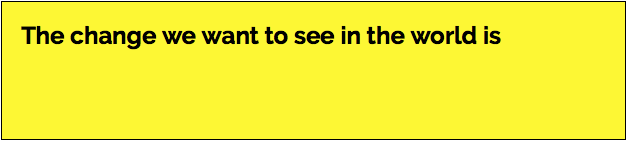
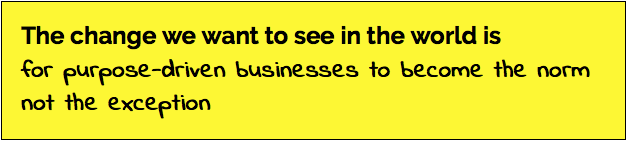
The outcome of this exercise should be a statement like the one below (or if you’re feeling creative a vision board) that you will want to share with everyone you come into contact with.
It should help anyone to quickly grasp what you’re trying to do and better understand why you’re so driven. But again don’t worry about it being perfect first time around — you have to start somewhere so anything is better than nothing.
For our made up company The Chirpy Business School we’ve put the following:.