
Staying Out of Debt
So you’ve beat debt? Congrats! But don’t relax just yet..

Let’s pop out the Champagne because baby, you’re debt-free! Now let’s keep it that way, shall we?
Just as with alcoholics and drug addicts, it’s easy to fall back into old habits; and make no mistake, overspending is an addiction.
For some people, the action of swiping your card is therapeutic, so life may feel more difficult now that your favourite form of therapy has been taken away.
So, let’s talk budgeting. Even wealthy people budget, they do it because it’s a contributing factor in how they become successful in the first place.
By putting a good budget in place and sticking to it, you’ll be able to save more and prepare better for the future.
Unpredictable disasters happen all the time (and is happening right now!) Emergency expenses may have gone straight onto the credit card in the past, but not anymore! We’re going to talk about developing new habits that will keep you well prepared for both the expected and unexpected.
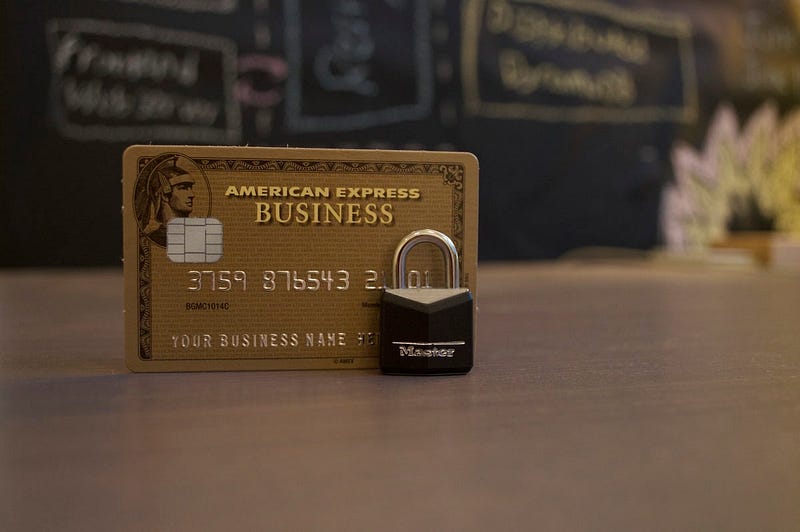
Spend credit as though it were cash
A common phrase used by credit card companies is “buy now, pay later,” which if accepted, is an extremely dangerous way for a serial spender to live.
If you’re going to own and use a credit card, the best mentality to have when using it is to spend only what you have in a real bank account.
This means if you have $30 in checking, you can only spend $30 on the credit card.
This mentality empowers you to enjoy the benefits of a good credit rating whilst also staying debt-free and taking care of your overall mental and physical health.
Put a self-imposed credit limit on yourself
This may sound like an obvious one, but it doesn’t always occur to people that the higher the limit on their credit card, the higher the risk of them falling back into debt.
If you insist on having a credit card, perhaps for emergencies or maybe a frequent flyers card to earn points, it’s ok, but let’s use it wisely.
Stay away from cards with $10,000 or even $5,000 limits; it’s just too risky. By keeping your credit limit at $1,000 or $2,000, you’re ensuring that if you do slip up, it won’t affect you for the next ten years or more.

Limit expenses
In a study conducted by the Joint Centre for Housing Studies of Harvard University back in 2016, it was revealed that most Americans technically qualify as “severely cost-burdened,” with their monthly expenses accounting for more than half of their paycheque.
When basic living costs are taking up most of your income, it’s easy to see how we may be sacrificing funds that could be going towards things like health care and savings. This puts us in an especially vulnerable situation when a crisis inevitably arrises.
If your current financial situation looks like this, there are plenty of ways to trim down the fat.
The 50/30/20 Rule
A common budgeting rule is the 50/30/20 rule. 50% of your wage goes to needs such as healthcare, transport, housing, utilities, and groceries.
30% go toward wants such as experiences, gadgets, holidays and dining experiences. 20% is left to go towards savings and paying off any debts.
This is a good rule to live by, but it is always best to try to trim down the 50% as much as possible, putting the excess into savings.
If you’re already out of debt, this rule works fine. But if you’re part of the 80% of the world’s population that is struggling with debt, you may want to tweak these numbers a little. The goal is to spend less in all areas and try to channel all of your available income into your debt.
Invest
When it comes to setting yourself up for future wealth, it’s never too early to start investing.
Even investing small amounts into low risk areas can go a long way in setting you up for a better future. Remember that while compound interest is what’s screwing you with your debt, it’s also what can help build your investments. Even something low risk such as an ETF or bonds account can snowball over time.
Safe investments such as these can be places for you to send small amounts of spare cash where you can “set and forget” without much worry.
Avoid and be mindful of unnecessary fees.
Consumers collectively paid their financial institutions $11 billion in transaction and insufficient funds fees in 2015.
A survey done by the Consumer Financial Protection Bureau revealed that the most common credit card fees were for late payments and cash advances.
That’s $11 billion wasted because of poor planning, but you can avoid these pesky fees by being extra prepared.
Firstly, reassess your cardholder terms and conditions. Read the fine print, and be aware of the fees associated with your cards and accounts.
A lot of cards and accounts have high transfer and overdrawn fees. After being paid each month, it’s best to calculate what automatic bills are due and make sure your account can handle them without becoming overdrawn.
A question you should be regularly asking yourself is whether you need all the cards and accounts you have.
If anything is charging you fees or interest, you should put it under a fierce magnifying glass. If it’s not moving you towards a life of wealth and prosperity, plan a path toward getting rid of it.
Whether that’s a pesky bank account, or a credit card, it’s got to go.

Don’t increase your budget with increased income
Once you’ve set yourself a budget, stick to it. Don’t make the mistake of raising your spending when your income increases.
Any excess funds you may have should be going towards saving and investing, not additional spending.
Save, Save, Save!
Not only does this mentality help you work towards your financial goals, it will also keep you out of debt and build you a better future.


