
Start Taking Responsibility For Your Thoughts
- with these simple exercises
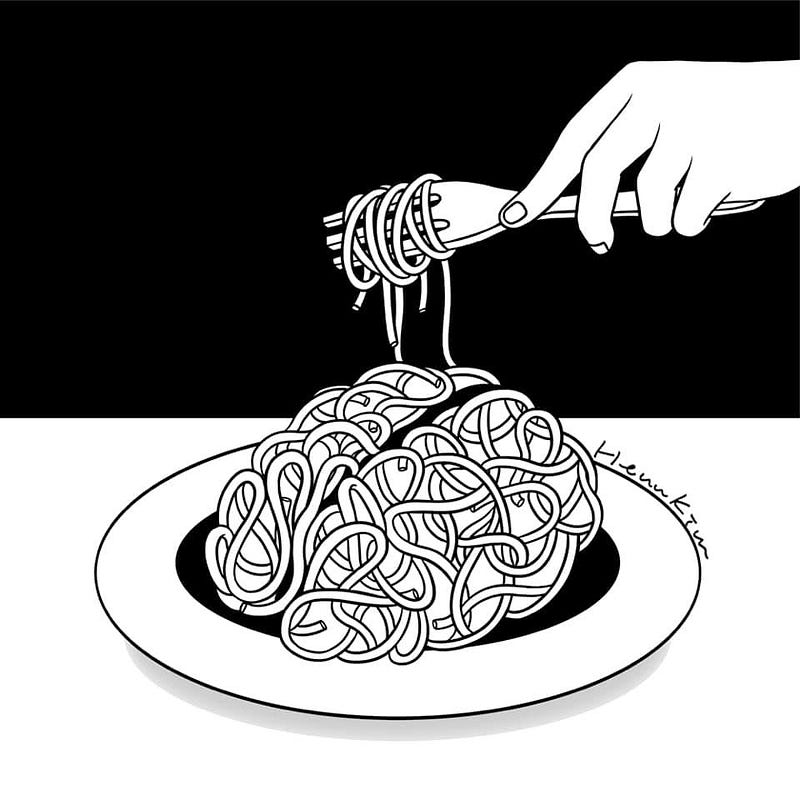
In a nutshell, a thought is “an idea or opinion produced by thinking, or occurring suddenly in the mind.”
Most of us worship our thoughts, and we take what they say very seriously. Whatever our thoughts say, we give them our complete trust, taking them as ultimate truths. As a result, the most painful emotions arise when we believe in negative thoughts. Thoughts like:
“I should be more fit.”
“I am a fraud.”
“I really messed that up.”
“I will never get it right.”
“They are ignoring me.”
“I am so unfortunate.”
“They think I’m stupid.”
“This is too hard, I should give up.”
“This is going to be a terrible day.”
It goes on and on. But the problem here is we didn’t learn early enough that we are not our thoughts. So what are we, then? We are the observers, the ones who are in control.
Controlling our thoughts is our responsibility.
This is important because most of us don’t control the thoughts that come into our minds all day and every day. Instead, most of us are influenced and manipulated by them. When reaching this state, thoughts become repetitive. We start overthinking.
As Thomas Oppong promptly said, “People who overthink consistently run commentaries in their heads, criticising and picking apart what they said and did yesterday, terrified that they look bad — and fretting about a terrible future that might await them.”
The opposite of being the victim of your thoughts is being the observer. When you observe your thoughts, you witness them, watching them come and go. You stop feeling identified with them. You start breaking the pattern. Ultimately, you start changing your life in any aspect you want.
“Observe your thoughts. Don’t believe them.” — Eckhart Tolle
What does it mean to be the observer of my thoughts?
Let’s do this simple exercise. Clear your head for a moment. Now, allow the next objects to appear in your mind, and then let them go:
A plane.
A wide river with strong currents.
A blue circle.
The lesson to take here is that the observer of the plane, the wide river with strong currents, and the blue circle is the same observer watching all the thoughts coming to your head all day long.
This means that the same way you can control the plane, river, and circle coming in and out into your mind, you can control all the thoughts that come all day and every day.
You are not the plane. You are not the wide river with strong currents. You are not the blue circle. The same way you are not all the thoughts that come into your head. And this only means that you are not the prisoner of your thoughts — you can stop them. You can stop yourself and become whoever you want.
You are not your thoughts.
Yet, they can control you if you let them.
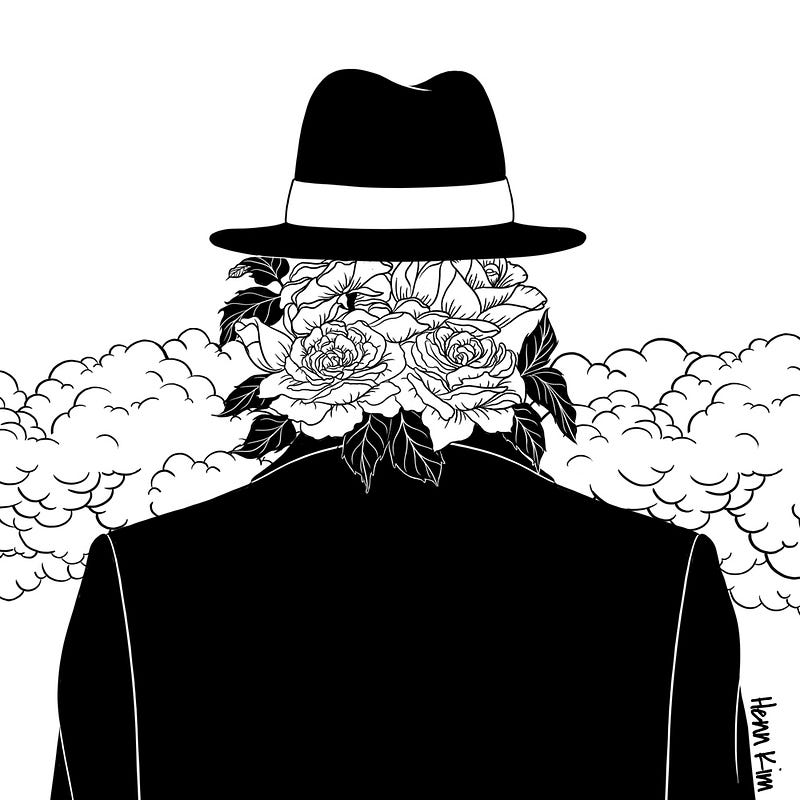
How to stop your thoughts from controlling you?
The thing is, most of us are not consciously observing our thoughts. So most of the time, you are not aware of the thoughts you’re thinking; the same way you are not consciously breathing right now.
So here are some simple yet practical ways to start noticing your thoughts:
- Say to yourself, “This is just a thought.”
- Change from one thought to another by simply saying “Next.”
- Start paying attention to your breathing for some time.
- Ask yourself, “What’s the opposite of this thought?”
- Imagine having a feather in your hand that touches every thought you want to start being aware of.
- Imagine placing that thought on a leaf that goes down on a river (you can even imagine yourself sitting by the river and watch it go away).
The purpose of these exercises is to shift from looking from your thoughts to looking at your thoughts. Use the one or the ones that suit you better. There is no end to this practice, so don’t think you have to accomplish something with it — it’s a process, and it will take time. As always, practice is key.
Soon enough, when you finally change the tape that is playing in your head, you get unstuck from that story. Why is this so important? Because whatever your story says, know that it’s influencing your expectations. It’s creating your perception about the world, your assumptions about what life is. Your belief about who you are, your feelings, moods, and thoughts — You.
You are not your thoughts. You are not the blue circle. You can move from the victim to the creator of your story right at this moment.
Don’t hesitate to contact me if you have any questions. I’m happy to help you in anything I can.
Good luck. 🌞
↠ let’s connect on Instagram
↠ would love you to have a look at my first Ebook: KEEP GROWING — Easy Guide To Reconnect With Yourself
↠ If you’re not yet a member of Medium I would be delighted if you join us here.


