
Start Fire to your Own Initiative
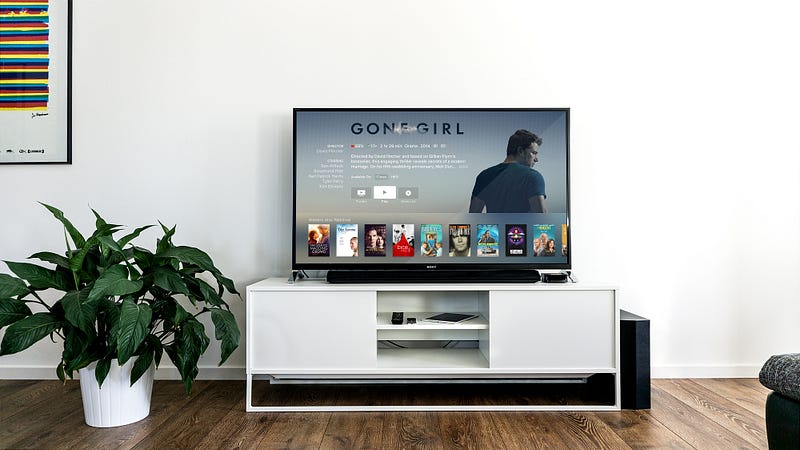
I am a procrastinator — a waster of time. I am sucked in by games on my phone, posts on Facebook, and the television.
BUT
I am a writer looking for inspiration in what I read and what I see and what I do.
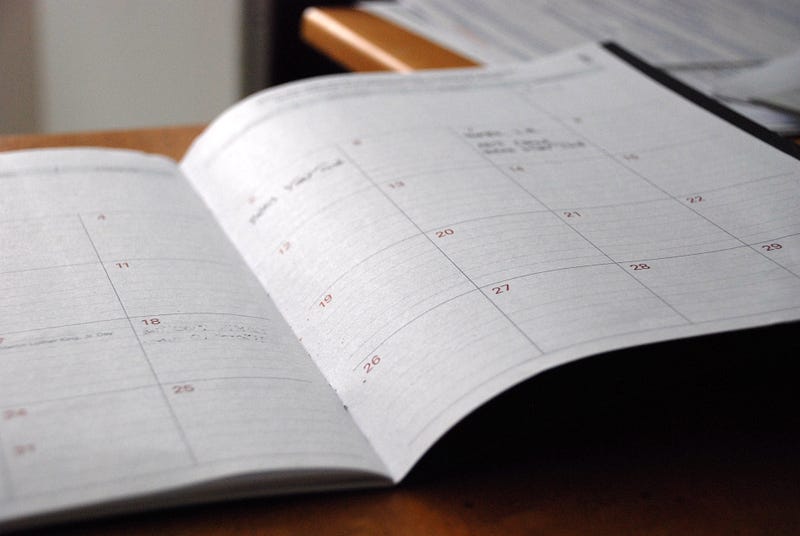
I am overwhelmed with everything that I feel needs to be done. I am overwhelmed by the sheer number of activities, sometimes, on my calendar.
BUT
I am a writer looking for inspiration in what I read and what I see and what I do.

I want to sit and write. Instead, I sit and think about writing. I start, but then I revise the first pages over and over and over again because they are never just right.
BUT
I am a writer looking for inspiration in what I read and what I see and what I do.
BUT
I am also waiting for someone to light the match of initiative so that I stop procrastinating — wasting time — overscheduling — feeling what I write isn’t good enough.
WAIT!
What did you say?
No one will light the match of initiative for me?
They used to.
For 17 years, someone lit the match of initiative for me: go to school, do your best, do your homework, get good grades, graduate.
In this case, my parents and other family members and my teachers were my match. I wanted to do good for them, and I guess, after a while, I wanted to do good for me.
For the next 34 years, someone lit the match of initiative for me: write your lesson plans, grade the papers, turn in progress reports and grades, participate in professional development.
In this case, my employer/principal, the school district, the parents, and the students were my match. These were responsibilities for my job and less than my best would be reflected in my evaluations and my student/parent rapport.
Now, however, you are right — I am on my own. I MUST light my own match of initiative.

BUT HOW?
By going back to the techniques I used as a student and teacher to get things done. Techniques I never realized were valuable.
Today was booked, or at least that’s the way it seemed to my “retired” mind. There were things on my calendar to get done — that were scheduled, but there were also things on my daily list that begged for my focus.
The alarm sang out at 6:30: “Good morning, Beautiful, how was your night?” I rolled over and set the snooze for 10 minutes, something I had been doing since high school. When it sang again, I rolled over grudgingly. I was ready for another set to snooze, but the dogs had heard it and wanted to go out, so I turned it off. Besides, I reminded myself, I had to shower and be out the door for an appointment across town by 8:00.
The smoky fog that engulfed my backyard mimicked the fog that permeated my brain.
I turned on the coffee as I passed through the kitchen. It would be ready by the time I finished showering, always the welcome treat of the morning.
BUT
It wasn’t the coffee or the shower or the upbeat nature of my early morning doctor appointment that found me digging deep for the personal matches to ignite my initiative, it was the frustration that I have been feeling when I procrastinate, when I waste time, when I am overwhelmed, and when I just can’t get it right.
This morning I worked to re-ignite my initiative by myself — to dig deep and begin to use the techniques I had used as a student and teacher.
TECHNIQUE #1: SET A TIMER (or an alarm)
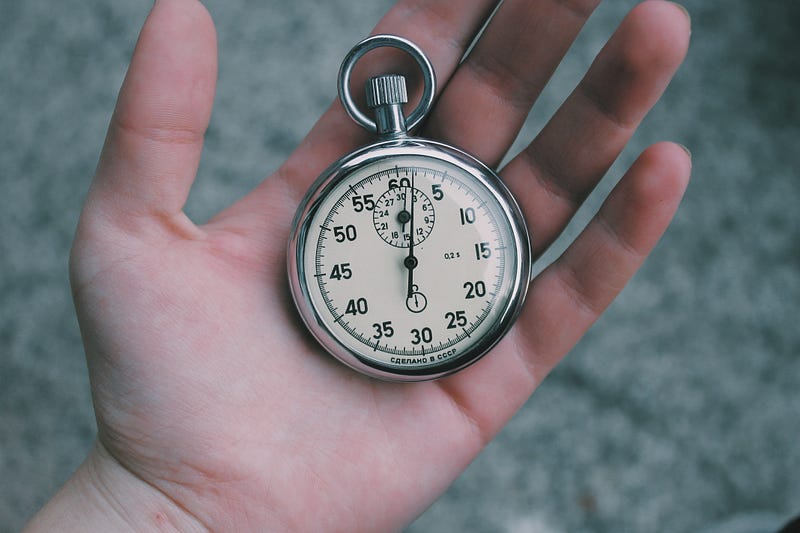
Before scientists and psychologists had a term for it, I was setting a timer for 45 minutes to work on tasks that MUST get done. After 45 minutes, I could take a break. Yup, I could do anything for 45 minutes: struggle with that geometry assignment, work on that research paper, grade as many assignments as I could.
Then, for 15 minutes, I rewarded myself: I could sit down and play the piano or the violin, I could go for a walk, I could get something cold to drink. (Yes, I needed to set the timer for the 15 minutes because I could get side-tracked with my reward as well.)
I love the timer over the alarm on my phone because I can hear the time ticking away.
I’ve also found the timer to be a motivator. Sometimes, when it goes off, I am so engrossed I the task I didn’t want to begin that I set the timer for another 45 minutes because I want to be finished.
TECHNIQUE #2: SECLUDE YOURSELF

I am a very social person. I would rather be around people, but they are a distraction. I can’t write or do any kind of work if there are people around who I can talk to.
I MUST take myself to my writing studio, let people know I’m working, and close the door.
Yes, I get it. Not everyone has the availability of an empty room so how can you seclude yourself?
What about the kitchen table after dinner is over, or your bedroom when everyone else is in the living room watching television?
It’s how I work when we are in the camper. I have two plastic totes: one for notebooks and paper; the other for pens, pencils, erasers, correction tape, etc. I sit at the table with my back to the television and my husband, and cover my ears with a pair of headphones. My husband thinks I’m listening to something, but they are actually on so I can seclude myself from distractions.
TECHNIQUE #3: MAKE LISTS

I’m a list maker. I make lists for everything, and when I don’t make a list, I forget SOMETHING.
My list for today included PAY BILLS (something I really hate to do), ORGANIZE my music for tonight, and clean off the buffet.
ITEM #1: I gathered everything for the bills and sat down. I set my timer for 30 minutes and began. When the timer rang, I had the bill sheet filled out — the bills due between today and the tenth paid and recorded — and an idea of how the money will pay out for the rest of the month.
(CHECK)
ITEM #2: I climbed to the bonus room and recovered all the pieces of the music I had been practicing and brought those and the notebook sheets to the breakfast bar. Again, I set the timer. When the timer rang, I had everything organized.
(CHECK)
(Unfortunately, I didn’t get to play tonight.)
ITEM #3: The dining room buffet becomes a catch-all for every kind of paper imaginable. Set timer for 45 minutes. It is truly an overwhelming mess sometimes. When the timer went off the first time, I took a short break for lunch. Set timer again for 45 minutes, and when it rang, I was done.
(CHECK)
You see, it doesn’t take a large number of complicated techniques and materials you need to buy; it takes the match of initiative to get you started. Sometimes that match of initiative is just you saying “Enough is enough. I’ve got to get something, anything done.”
Rebecca (Becky) spent 34 years in a teaching career, but when she retired in 2014, she picked up her pen and pursued her passion to write. As a high school English teacher, Becky held the philosophy that she wouldn’t give any writing assignment that she personally wouldn’t or couldn’t do. That philosophy strengthened and broadened her own writing.
In addition to publishing her writing on various platforms, Becky also blogs at Life is for Living, a blog to encourage, motivate, and help others live the best life possible. As an extension of Life is for Living, she also publishes a weekly newsletter, Let’s Chat. (Check it out HERE.) Life is for Living also has a social media presence with the group Coffee on my Porch. (Check it out HERE.)
After teaching writing for 34 years, Becky began Ink & Keyboard, a blog for writers at all levels. She supplements what she writes on the blog with a subscription newsletter, The Writer’s Notebook (Check it out HERE.) and the social media group Ink & Keyboard (Check it out HERE.)


