
Stalked by Fears: Will Virtual Reality Be the Answer We Need?
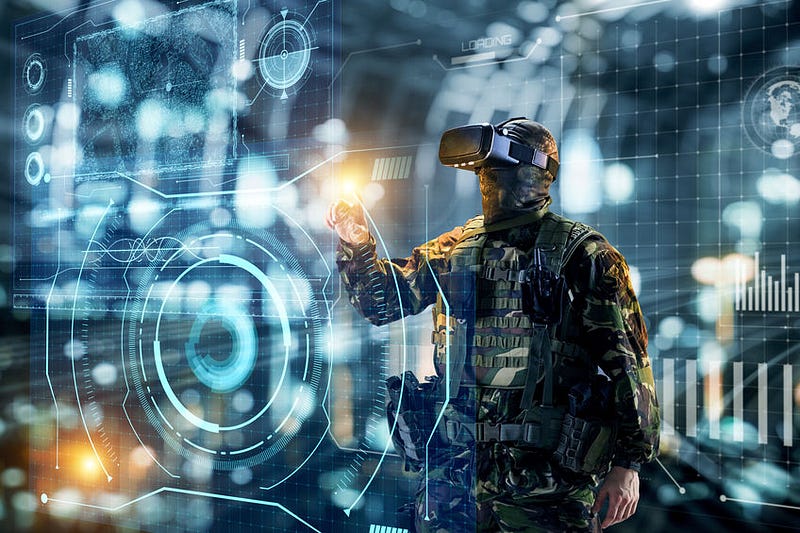
Clink, clink, clink, the sound was relentless as the bullets hit the outer skin of the armored vehicle. Boom! A roadside bomb had exploded, and everyone inside the vehicle was thrown out into a bloody pile of bodies and body parts.
Moans filled the air, and smoke rose as the flames began to envelop everything in sight. The terror and the fear that came with it drove the memory ever deeper into the brain of the person who had been at the wheel. All of it was a vivid memory that refused to be forgotten by anyone involved in the tragedy. Many would suffer from prolonged anxiety disorders as a result.
Sense memories are components of the anxiety disorder known as Posttraumatic Stress Disorder (PTSD). On their return home, military servicemen and women would have these persistent disruptions of reality and their emotions. Nightmares came in volcanic succession and made the night a time of renewed fear; the horror never stopped.
AK-47 bullets were being fired. Sudden flashbacks stopped them on the street where some fell to a crouching position. Frantically, one might yell for help. “Medic, medic!” Everyone would stare, not knowing whether to run or call 911 for help. It was lifechanging and disabling. A return to their former life or self seemed impossible. Often, suicide was an answer.
Therapy and Virtual Reality
Virtual reality (VR) recreates the environment in a controlled therapeutic setting using a virtual set, eyewear, software, and hand-held objects. The scene is “real” in every sense of the word except it’s not real.
Immersing an individual into a reconstructed virtual environment by computer programs and digital screens on a headset was first invented in 1968 by Ivan Sutherland at MIT. Sutherland explained how the term and the software came to be in a video. Since that time, the potential for this form of digital reality-based programming has blossomed from games to therapy as it found additional utility in mental health care. Anxiety was a prime target.
Virtual reality as a therapeutic intervention for anxiety disorders has incorporated powerful techniques research has shown to be highly effective. The original technique, developed by Joseph Wolpe in 1958, is known as systematic desensitization or reciprocal inhibition and was effective in treating “war neurosis.”
The theory is that it isn’t possible to experience fear and relaxation at the same time, and a three-step technique was developed based on this model. The steps include learning methods of relaxation, establishing a hierarchy of fears, and then gradual exposure to the fear stimulus. In this way, both physical and mental abilities can be brought to bear during the therapeutic exercise.
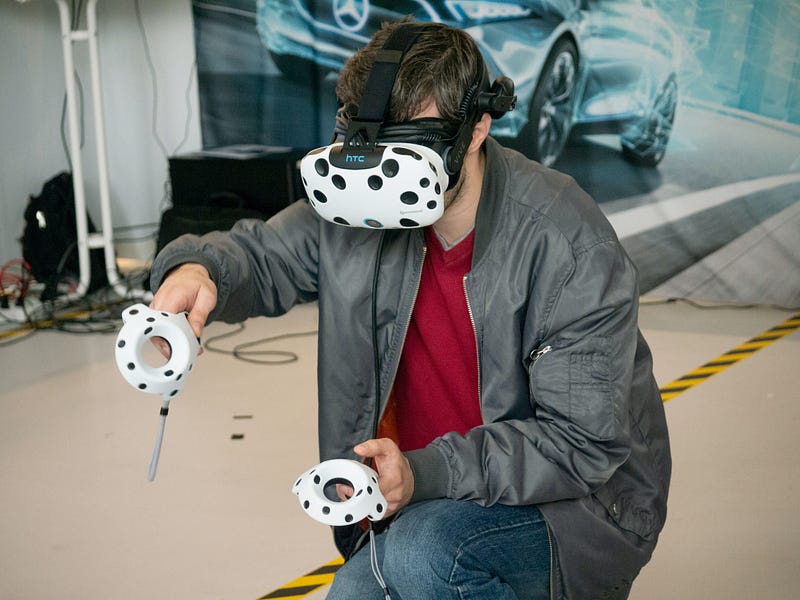
As an innovative technique, virtual reality may be used in several fear-provoking situations. However, some individuals may not be able to utilize it. Anyone who has experienced either feelings of dizziness, known as cybersickness, seizure disorder, or some heart disorders, might not be candidates for the therapy. A gradual introduction to the virtual environment may decrease the cybersickness.
A few other individuals might also not be candidates, and these include persons with migraine headaches. Individuals prone to psychosis or a personality disorder where they might confuse the virtual world with reality might also be excluded. The future is bright, however, and more individuals will be brought under the VR umbrella of therapies.
VR and Autism
What rivets the attention of an individual with autism so completely that they cannot pull themselves away from it? This is the question that Matt Clark, a father of an autistic son, wanted to answer. His response to his own question led to his development of a virtual reality exhibition at the Victoria and Albert Museum in London. The exhibit, one of many in other museums, seeks to re-create the perceptual world of an autistic boy, but it isn’t without its detractors.
As Clark stated, his 15-year-old son “can’t talk; his behaviors are extremely challenging.” Therefore, how can we expect him to express himself to assist us in understanding? For Clark, several artists with autism and for family members who have autistic relatives, it’s a beginning. The use of the virtual environment can now open a new type of dialog to put people into the shoes of someone with autism for the first time. How can they do that?
Consider the fact that autism is a disorder often with severe extremes of sensory overloads of sight, sound, and movement. Their world is often unknowable and they struggle to understand it themselves.
Once they leave their homes or schools, it can be frightening even in a space we find comfortable; a shopping mall. One attempt to recreate the world of autism was a video produced by The Guardian newspaper in the UK. Watching it provides only a bit of the true experience, but it is worth the effort. Where can VR be utilized for persons with autism?
Job interviews would have been extremely stressful and unproductive without virtual reality. Vocational counseling training programs that involve interview situations can go anywhere from gentle to more aggressive; something with which any job applicant must contend.
Sharpening interview skills in learning how to handle each situation in a virtual environment is the most practical and one of heightened learning. But learning about getting a job isn’t the only place these individuals need to understand and practice their responses
Classroom settings also are challenging when speaking before a group. Public speaking even in this closed space more threatening than it would be to any other student.
A series of different environments can be envisioned here, too, so that the autistic child can feel less anxious and more prepared for what is to come. VR programs can be both tolerant and forgiving as few teachers might be to a student with a disability of this type.
The Future Promise of VR
Clinicians and researchers see an optimistic future for the expansion of virtual reality programs for the treatment not only of anxiety disorders such as PTSD and specific phobias. Improvements in technology and initial cost for equipment make VR more readily available. Persons with disabilities or autistic disorders will learn appropriate skills and to diminish their fears.
Unique tasks for the programs not explicitly intended for disorders offer hope for enhancing feelings of self-efficacy and cognitive enhancement to deal with dysfunctional beliefs. The experiences provided virtually can create opportunities for positive outcomes in other environments.
VR can also enhance learning or to integrate learning into new situations. The challenge lies in the creativity of both the programmers and those who can envision new opportunities in which to involve this technology.