
Springsteen’s ‘Tunnel of Love’ is an Album for a Certain Season of Life
Enter the tunnel at your own risk
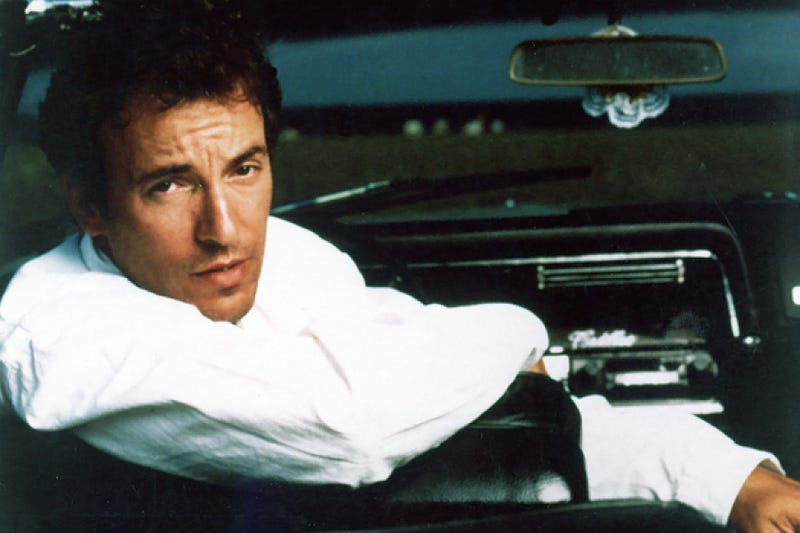
As I’m sure you know if you follow me at all, I have a certain fondness for Bruce Springsteen. As a result, I notice when stories pop up about him around the interwebs; most of the time they’re of little consequence, like this sighting of him with John Mellencamp a few weeks back:
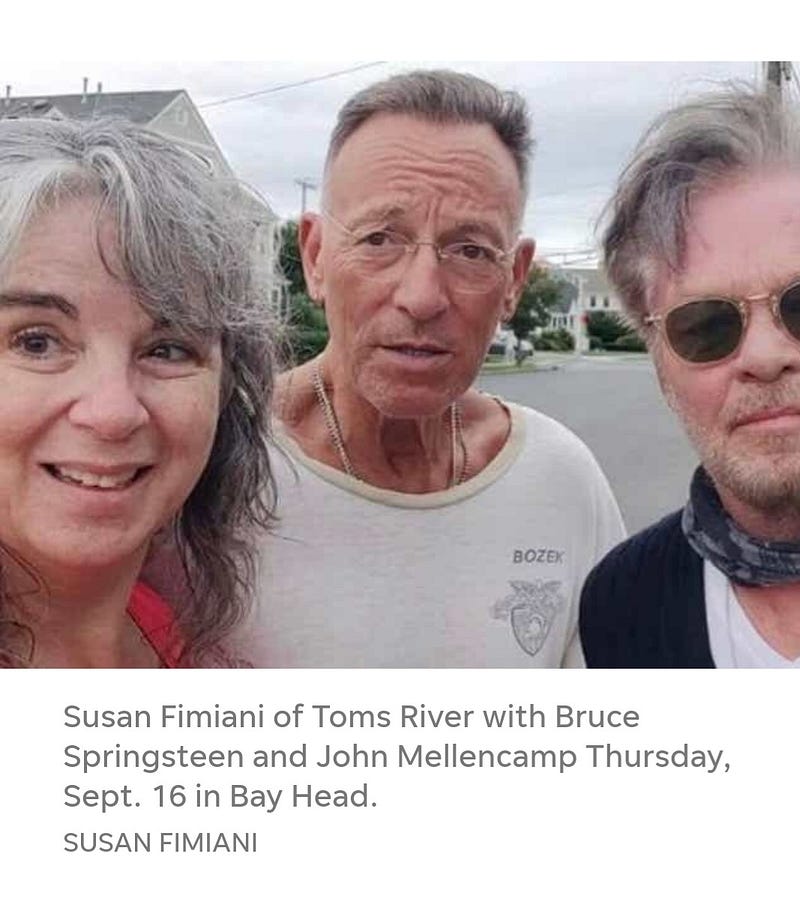
Cool enough, but not something that will grab my attention for more than a few moments. This week, however, he’s popped up twice, in two totally different parts of the online universe, about the same album. That’s something I notice. It started with this piece on Medium by Arpad Nagy:
It’s an excellent piece about his unexpected encounter with the Tunnel of Love album, and you need to go back and read it. My comment to him at the time was that Tunnel of Love is the quintessential “I just got divorced and my life is over album” and you should never listen to more than one or two songs at a time unless you just left the lawyer’s office.
Considering my comment, what I saw yesterday made me sit up and take notice. It’s a tweet from Amy Lofgren, who is the wife of E Street Band guitarist Nils Lofgren:
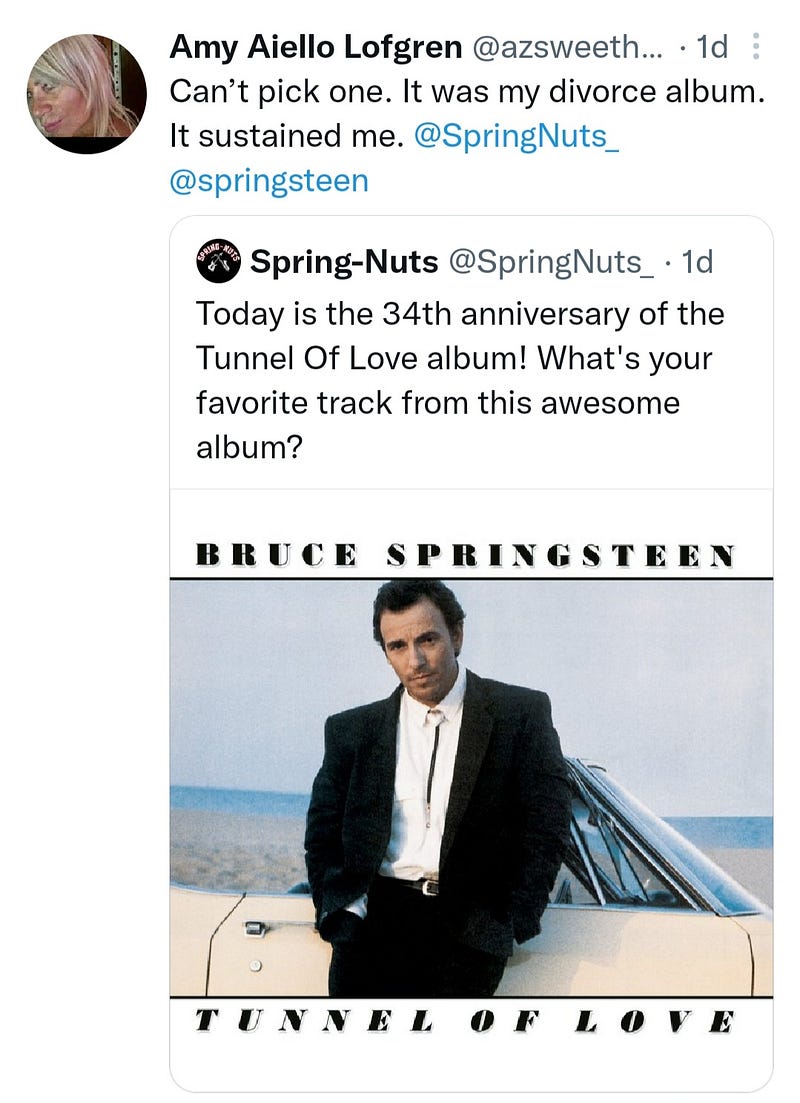
When the universe sends you an affirmation from a member of the E Street Family, you can safely assume the musical gods are demanding an article on the album you have steadfastly avoided (except for a few songs) since your own divorce nearly two decades ago. Since I am not one to anger the musical gods, here we go.
Released in 1987, Tunnel of Love was Springsteen’s first studio album after the mega-smash Born in the USA, his final studio album of the 1980s, and his last album with the E Street Band until The Rising 15 years later. In reality, it was an even longer gap than that, because though the full band toured to support Tunnel of Love, on the album Springsteen played most of the parts himself with only an occasional assist from the band. It reached #1 on the Billboard charts in the U.S., as well as in the U.K., Canada, Spain, Sweden, and Norway. Rolling Stone ranked it at #25 on their list of best albums of the 1980s.
For me, the most notable absence on this record is that of The Big Man, Clarence Clemons, whose booming sax and larger-than-life presence helped define the E Street Band; Clarence’s only contribution to the album is backing vocals on “When You’re Alone.” Despite this omission, Tunnel of Love is a great album, even by Bruce’s lofty standards; it contains several excellent songs you’ve probably heard, including “Brilliant Disguise,” “Tougher Than the Rest,” and the title track. Musically it falls somewhere between the full-band rock of The River or Born to Run and the acoustic folk of Nebraska or Ghost of Tom Joad.
What makes it different than any other Springsteen album is that it is the kind of record that only really reaches you at certain points in your life, unlike Born to Run and The River which connect with listeners every time. This is because it is perhaps his most personal, written as his first marriage was disintegrating. It is as introspective as Born in the USA was outward focused. There are four consecutive tracks on the album (“Two Faces,” “Brilliant Disguise,” “One Step Up,” and “When You’re Alone”) that should never be played at one sitting without a bottle of Wild Turkey and two psychiatrists present. This is music for the devastated.
However (yes, there’s a however), in spite of what he was going through and what he puts us through with that four-song lament, as with every Springsteen album he also gives us hope. That hope is particularly evident in “All That Heaven Will Allow,” and especially “Tougher Than the Rest.” This is evident to us, though maybe not to him at the time, in the video for the song below. All I know is that if a woman ever looked at me the way bandmate and future wife Patti Scialfa looks at him between minutes 5:00 and 5:12 of the video, I might change my attitude about never getting married again.
More than anything, Tunnel of Love proves once again that Bruce is there for us, and with us, on the journey. We’re not always “pulling out of here to win;” sometimes we’re just trying our best to not get pulled all the way down. It’s an album that can wreck you if you’re not prepared for it, and one that, as Amy Lofgren tweeted, sustain you when you need it most, all the while reminding you that there is light at the end of the tunnel of love for tramps like us.


