
Spring Cleaning for Spring Allergies
6 steps from the experts

As days grow longer and new blooms appear, it can only mean one thing: Spring is here and with it comes the task of spring cleaning. For people with allergies, spring cleaning does more than spruce up a home. When done correctly, it removes dust, mold, dander and other allergy triggers so you can feel your best.
“There are specific things you can do while cleaning that can dramatically improve allergy symptoms,” says Dr. J. Allen Meadows, allergist and president of the American College of Allergy, Asthma and Immunology. “When you spring clean to remove allergens, you can breathe easier plus enjoy a sparkling home.”
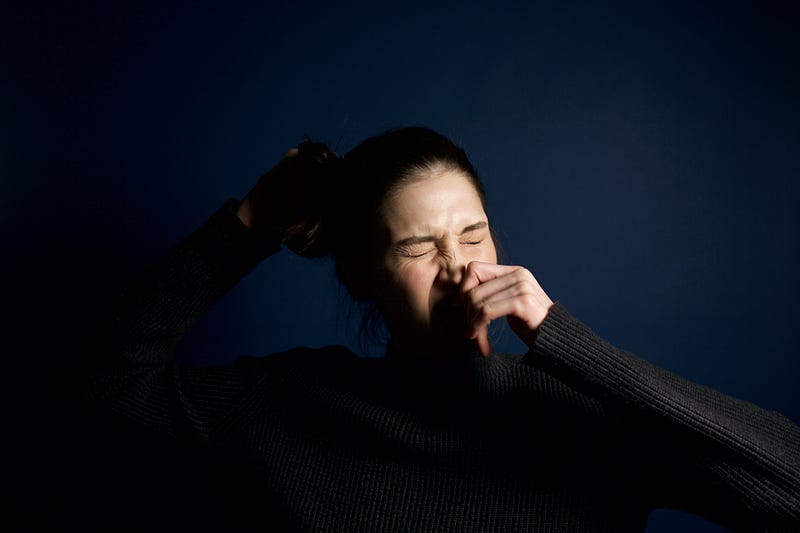
Meadows and the experts at ACAAI recommend these steps when cleaning for allergies. Before you begin, keep in mind that when you clean you come in contact with many allergens. You may want to take allergy medication beforehand and if your allergy is severe, consider wearing an N95 filter mask while dusting or scrubbing.
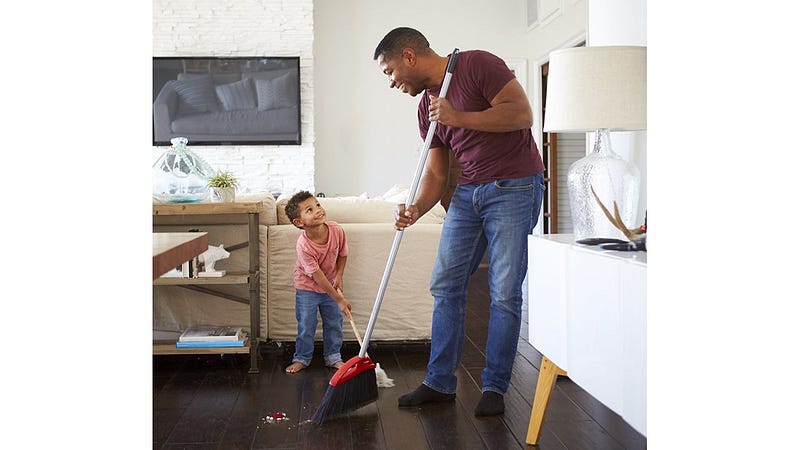
Step 1: Dust Thoroughly
Dust all surfaces in your home with a damp rag or microfiber cloth made for cleaning. Avoid using any kind of duster that simply kicks dust into the air. Additionally, clean vents and return registers to limit dust recirculating and finish by wet mopping tile and other hard flooring. Don’t neglect the area under the beds, which can get dusty and should be cleaned often. Eliminating dust helps your home shine and also removes some of the most notorious indoor allergy triggers.
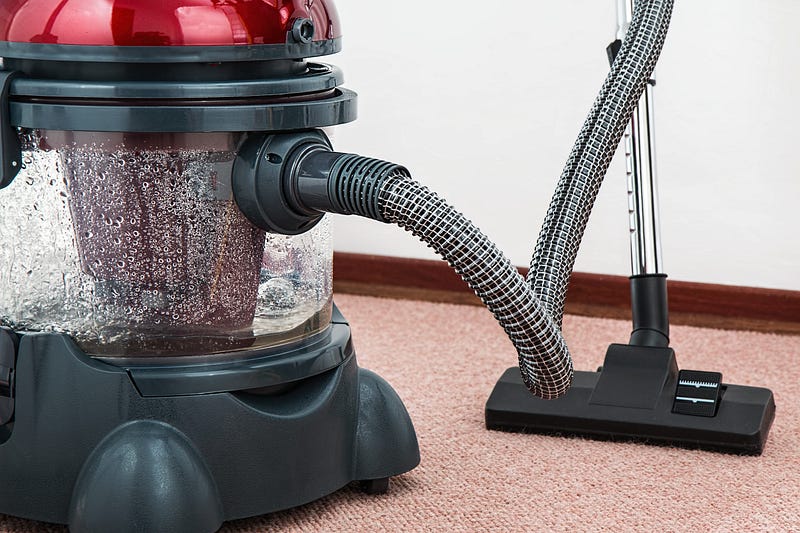
Step 2: Clean Carpets
Start by moving all furniture off the carpet. Then vacuum well with a cyclonic vacuum, which spins dust and dirt away from the floor, or a vacuum with a HEPA (high efficiency particulate air) filter. Meadows does not advise shampooing carpet, because it can cause dust mite eggs to hatch. If you are using diluted bleach and water solution for spot treatments or to kill mold, make sure someone other than the allergy sufferer does the cleaning because bleach can trigger asthma.
Step 3: Clean Window Treatments
Window treatments like curtains and valances can be a magnet for dust and pollen yet are often ignored when it comes to cleaning. This spring, make sure to follow the manufacturer’s recommendations and wash or dry clean window treatments. Remember, opening windows allows pollen and other allergens into your home, so during peak allergy season keep them closed, and whenever possible, use air conditioning in your car and home.

Step 4: Wash Bedding
Wash sheets, pillowcases and blankets in water that is at least 130 degrees F. This temperature kills dust mites and effectively removes allergens. If bedding can’t be washed at this hot temperature, place items in the dryer for at least 15 minutes at 130 degrees or above. For children with allergies, do the same with their stuffed animals.
Step 5: Replace Air Filters
At the start of every season change the air filter in your furnace. This helps the HVAC system run efficiently while also filtering out air particles -including allergens — to keep your home’s air as clean as possible. Consider setting an alarm for every three months as a reminder and use filters with a MERV rating of 11 or 12. This is also a good time to clean the drip pans in appliances like the refrigerator.
Step 6. Control humidity
Bathrooms, basements and tiled spaces are prone to mold, so spring is a good time to deep clean. A bleach cleaner works well to eliminate mold or make your own by mixing borax and water. Next, help prevent mold from developing through moisture control. Always run bathroom fans when bathing or showering, clean up any standing water immediately and use a dehumidifier if needed to keep humidity below 60%.
“Spring cleaning is a great step in allergy control,” says Meadows. “However, if you continue to suffer from allergy or asthma symptoms, see a board-certified allergist to help you control your symptoms and live the life you want. You can find an allergist near you at acaai.org/locate-an-allergist.” (BPT)
___________________________