
Sportsmanship
Required reading for anyone who is, been, or plans to be a coach of a team in youth sports.
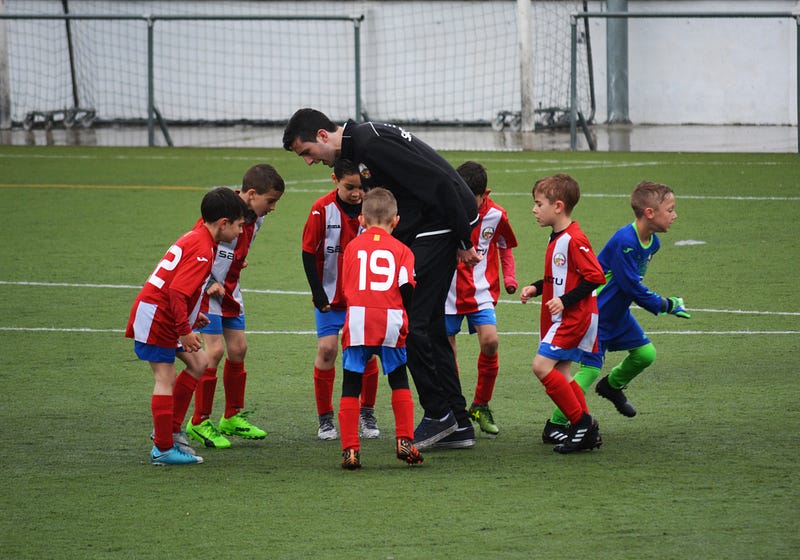
One of the most important public services a man or woman can preform is to be a coach in youth sports. Coaches come in all ages, shapes and forms. They often start out as assistants having no desire for responsibility of head coaching.
Many parents wanting to get more involved with their child’s activities start this way, enjoy the experience, and become head coaches later on.
Some of the best coaches I’ve seen are folks who’ve never played the sport they’re coaching.
Great player or not coaches, especially youth coaches, have a tremendous character building impact on their charges.
Win or lose, the following can be helpful:
Character guidelines for coaches of youth sports:
1. Respect your opponent
2. Don’t argue with the referee
3. Listen to your coach
4. Take health and safety seriously
5. Be a team player
6. Act mentally tough
7. Enjoy the wins and learn from the losses
8. Strive to be great
9. Have fun
10. Be classy and follow etiquette rules *
Although as comprehensive as list you’ll find anywhere, experience has told me that these rules are not necessarily listed in order of importance.
I happen to think #9 should be #1 but that’s just me.
I have a friend who played football for the University of Pennsylvania. Upon beating Princeton, clinching the Ivy League football crown for that year, the players lined up in the middle of Franklin Field for the traditional high five team touches. My friend said that as he high fived the final Princeton player, the guy said to him, “ We don’t care if you beat us, we beat Harvard this year and that’s all we care about. We don’t care about beating Penn.”
Ouch!
When the first (and only soccer team I coached; 5–7 year olds) lost the championship game 10–1, the winning team and mine lined up for the high five slaps. After having gone through the whole season, my kids had been instructed to slap hands and say “Good game” to their weekly opponent. From my place at the end of the line I heard my guys greeting each opponent with the “Good game” salute. I also heard their opponent’s version of “Good game.” To each alternating players, “You stink, you suck!”
Double Ouch!
Sportsmanship is everybody’s responsibility, especially coaches of young kids competing in sports and in life.
The absolutely atrocious behavior some of our political “leaders” demonstrated in not accepting the results of the 2020 presidential election reinforces negative examples for the kids.
In addition, the abhorrent attempts to change the rules in the middle of the game in other areas can corrupt our youth further.
Models bad behavior as cool!
Unacceptable!
Makes coaching kids all the more challenging.
Triple Ouch!
*rookieroad.com


