
Sports marketing ROI
How can brands leverage sports for better marketing and create better brand awareness

Today, no different from any other industry, the sports industry is looking for new ways for growth. Innovation, technology, and COVID-19 have pushed everyone to be on the lookout for new revenue streams. Traditional broadcasters will find themselves overturned from sports’ top sources of income to the streaming platform providers. And fans, who increasingly consume media differently, are now changing the way they engage with sports teams and franchises as well.
For years, sports fans all over the world had an unfulfilled need, the need for authenticity. The need to know their favorite athletes better, how they became so successful, how they train, how they live, will only increase when Gen Z become the dominant consumers. Collaborating with professional athletes has helped some of the world’s best-known brands connect better with fans and potential consumers in innovative ways. With social media content creation and influencer strategies becoming such a leading force in today’s marketing, new action plans and ideas are needed in order to seize these opportunities.
So, let’s start with the ways that brands try to create new opportunities. Emerging Esports is an example of engaging with potential new consumers or the “behind the scenes”, and authenticity is such a key player (see what I did there? (: ) of an athlete\team-brand relationship and how sponsorship generates high ROI.
Let’s start from the end, sponsorship in sports is no longer just about how many can be reached on TV. Social media and live streaming platforms are now a popular way for fans to share and talk about what’s happening with their favorite sports. And there are few new platforms that can help leverage it (ahem, ahem: I won’t say their name but we’re from the same city). By using advanced sport detection algorithms to scan photos and videos and recognize relevant highlights in the game, fans can get exactly what excites them, so brands and media organizations can benefit and bring the new and more interesting value of sports experiences to fans and match them with the correct advertisement.
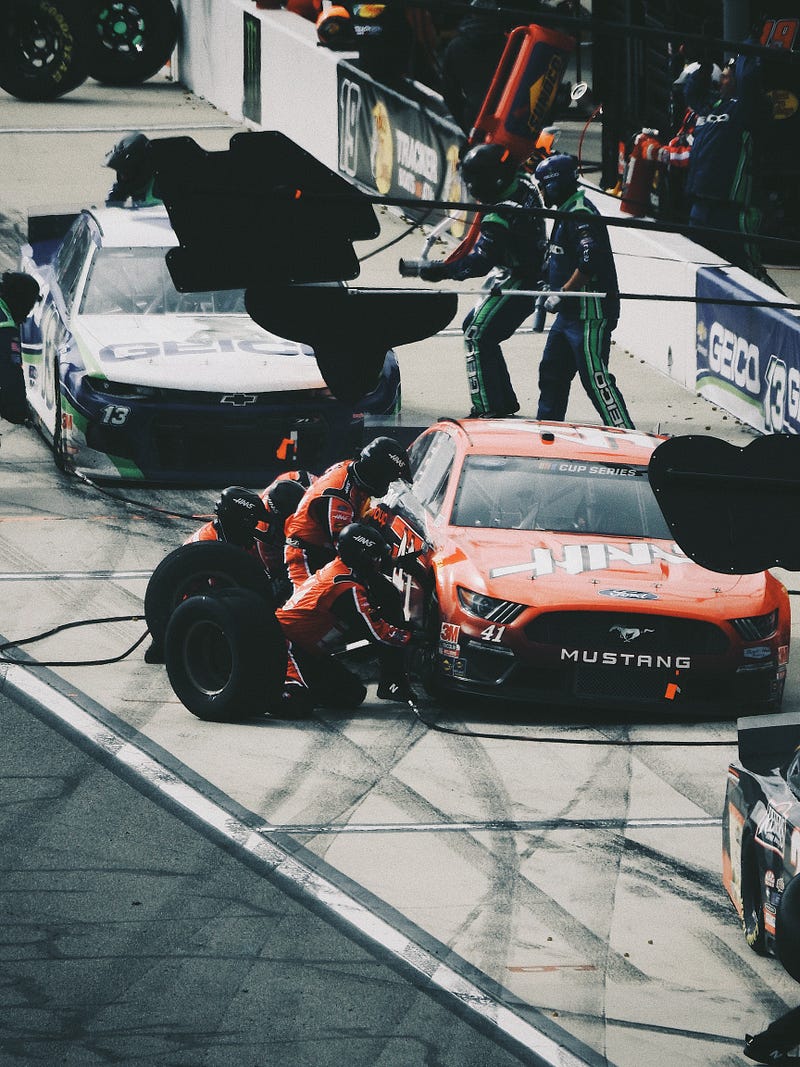
Today, brands search for sponsorships that will align with their goals and KPIs. One outcome of this sponsorship strategy shift is performance-based sponsorships, in which the team or player drives more value for their sponsors by engaging with fans on and off the field. Leading brands are getting deeper into the data to see if they’re reaching their target consumer. Since we started with “drives more value”, let’s pick it up again with actual driving. In motorsports, fans may not watch every full race, like every other sport nowadays, but the F1 and NASCAR series has experienced amazing growth in followers in the past year. F1 got a lot of help from the Netflix behind the scenes series, which we will get to in just a second. Brands know how to use this strategy, M&M’s, for example, teamed up with one of NASCAR’s famous drivers, Kyle Busch, on a campaign that offered fans the opportunity of having their name featured on Kyle’s car in exchange for using a specific hashtag. Cool idea!
What is behind the scenes marketing all about?
It’s authentic content that you don’t polish, at least not too much. Behind the scenes, content shows your followers what’s happening behind what they love so much, like the culture, management, staff, and everyday workings of the business. the more things that go wrong, the better, cause again it seems more authentic. And it doesn’t matter if it’s during a behind the scenes sports series, such as F1 Drive to Survive, Last Dance, and many more, or a marketing campaign such as Leo Messi and the Lays.
It’s about showing the human process, and not “pushing” the product. Including behind the scenes content in your media gives you a chance to connect with your community on a personal level. Because you're behind the scenes content is unique, it naturally brings out your specialty. It makes you relatable, approachable, and more human.
While we know that fans use social media to connect with their favorite player or team, brands saw a new opening and decided to leverage it.

A brand is a promise, a strong brand is a promise delivered
While the use of campaigns has been exciting to see for a while and very focused on M&M’s, we’ve been most excited to see athletes that have been active on social media, who comment and engage with fans. Think about how amazing it is for a fan of an athlete and brand to have the athlete comment and add some words of encouragement to that fan’s original post.
Sports sponsorships give us a chance to create engaging and creative content, and Mars uses them often, not just with M&M’s. Engagement as a tool is also used by the SNICKERS brand with their NFL partnerships, SNICKERS & Esports partner the sponsorships with Fly Quest and the Madden. This evolves the idea of digital and social activations beyond traditional sports and brings it to an emerging area where the activity takes place on digital and social platforms. NASCAR has put greater emphasis on marketing its younger drivers to help reach younger fans.
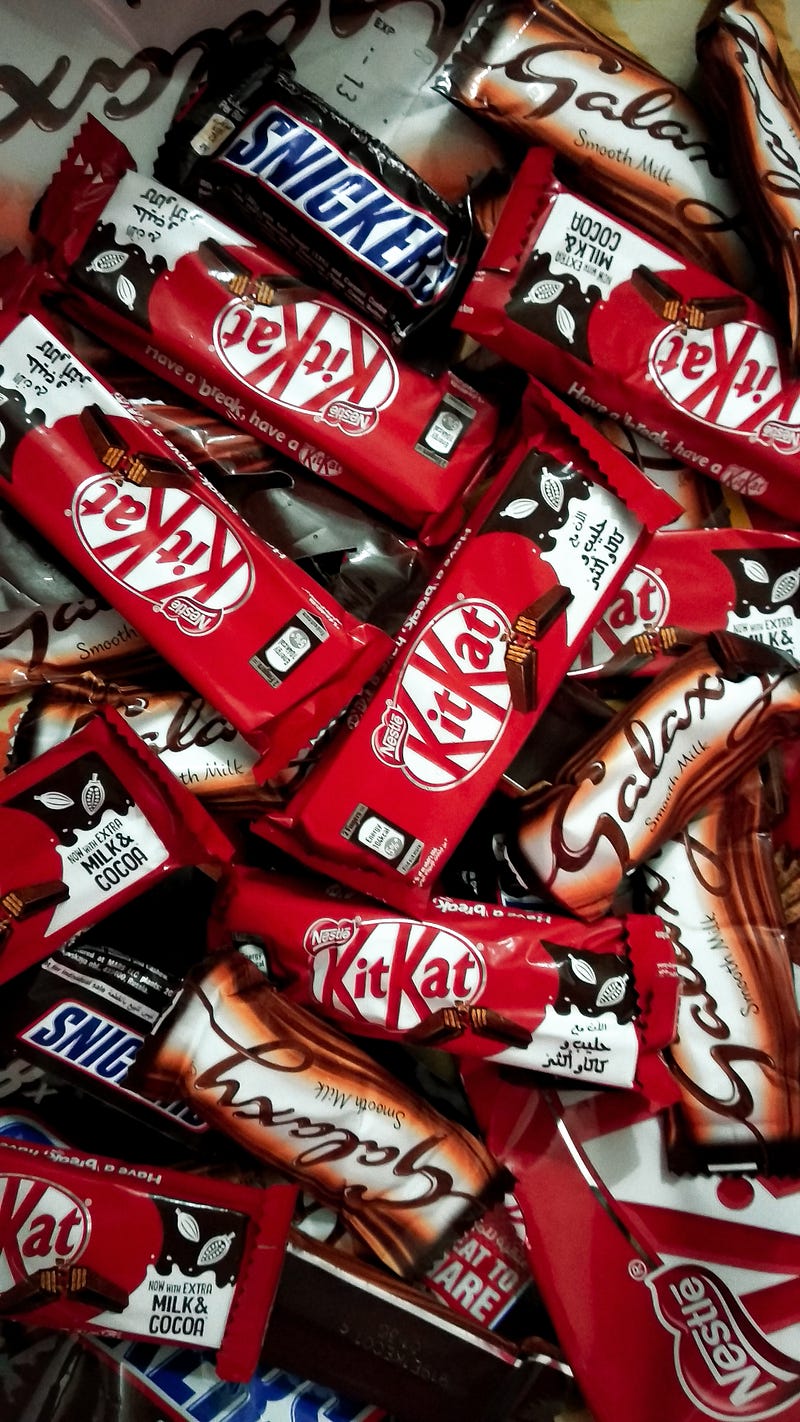
Authenticity and agility are two characteristics that are very important. Behind the scenes is authentic, it’s thrilling, we can identify with athletes that we love and see that we love the same snacks or video games. Great sponsorships are like great deals, they create win-win situations for the brand/athlete deal, to the brand/fans deal, and of course to the brand/sports deal. More than that, agility also comes into play when great sponsorships go beyond a specific deal and generate a sequence of joined ventures between the athlete and the brand.
And in the end, it’s all about the people; whether people want to relate to you or strike a deal, using authenticity and agility in sports can bring a lot of new initiatives and opportunists which can expand to anywhere.