
Spirit of Language: The Intoxicating Origins of 'Whiskey’
*Disclosure: This article was assisted by AI technology. While every effort has been made to ensure accuracy and originality, some content may be influenced by the AI’s algorithms and data sources.*
Introduction
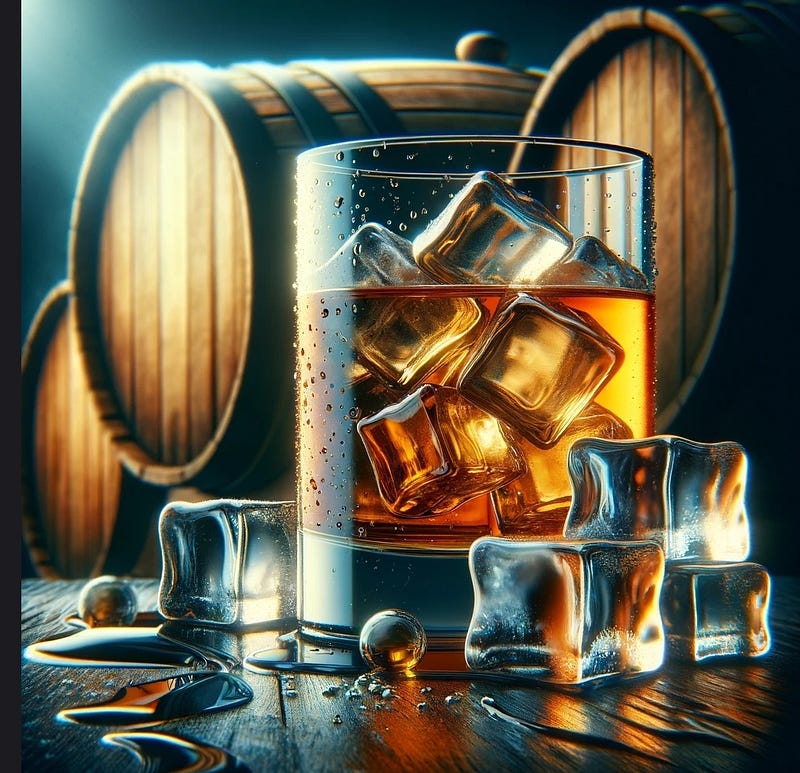
Whiskey, often spelled 'whisky’, is more than a distilled spirit; it’s a tapestry of history, culture, and craftsmanship. From smoky Scottish highlands to the rolling hills of Kentucky, whiskey has been both a muse and a marker of societies. This exploration delves into the origins, evolution, and cultural significance of whiskey, unveiling the stories and traditions behind this beloved drink.
Etymological Essence and Origins
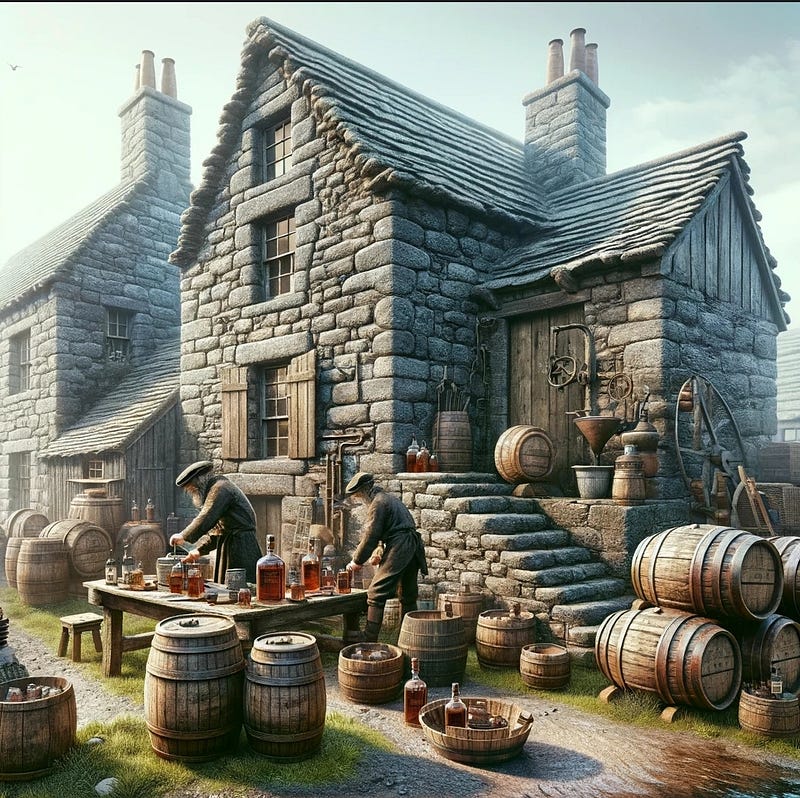
The term 'whiskey' derives from the Gaelic 'uisce beatha’, meaning 'water of life’. This etymology speaks volumes about its importance in early societies. Initially used for medicinal purposes, whiskey has its roots in the ancient techniques of distillation brought to Scotland and Ireland by monks in the early Middle Ages.
The art of whiskey-making evolved over centuries, intertwined with local customs, ingredients, and the unique landscapes of its regions of origin. Each type of whiskey tells a story of its own, from Scotch Whisky and Irish Whiskey to American Bourbon and Tennessee Whiskey.
Whiskey in History and Legend
Whiskey’s journey through history is laced with legend and lore. In Scotland and Ireland, it became a part of local culture, with tales of illicit stills and moonshine operations during times of taxation and prohibition. These stories reflect not just the production of whiskey but also its role in community, rebellion, and the struggle for identity.
In America, whiskey was a key player in the early economy, even leading to the 'Whiskey Rebellion' in the 1790s. The development of distinct styles like Bourbon and Rye mirrored the young nation’s evolution and diversity.
Craftsmanship and Terroir
The art of whiskey-making is a testament to human craftsmanship and the concept of 'terroir' – the influence of the natural environment on its flavor. From the peat-smoked malts of Islay to the corn-rich mash of Kentucky, each whiskey is a reflection of its geography, climate, and resources.
The process of aging in wooden casks adds layers of complexity, making whiskey not just a beverage but a craft that matures and evolves with time.

Cultural Tapestry and Global Spread
Whiskey has woven itself into the cultural fabric of many societies. It’s been a muse for poets, a companion in solitude, and a celebratory toast in gatherings. The tradition of whiskey drinking and appreciation varies widely, from the Japanese ritual of meticulous tasting to the American casual bourbon on the rocks.
The global spread of whiskey has led to a burgeoning culture of distilleries worldwide, each bringing its unique twist to this age-old spirit. Whiskey festivals, tastings, and connoisseurship have become a part of modern culture, celebrating the diversity and richness of this spirit.

Whiskey in the Modern Era
In recent times, whiskey has seen a renaissance, with a growing interest in artisanal and small-batch productions. Innovations in distilling techniques, aging processes, and flavor infusions are expanding the boundaries of traditional whiskey.
Yet, the industry also faces challenges, from sustainability issues in production to navigating the global market’s complexities. These modern dynamics add new chapters to whiskey’s ongoing story.
Conclusion
Whiskey is more than just a distilled spirit; it’s a symbol of heritage, a product of nature and nurture, and a bearer of stories. Its journey from ancient monastic stills to modern craft distilleries encapsulates a blend of history, culture, and artistry.
As we raise a glass to whiskey’s past, present, and future, it stands as a spirited testament to human creativity and the enduring appeal of this 'water of life’.
Follow Zorox for more Etymology and Origin stories! Leave a comment if you have a special word you would like to know more about 🩵
The Etymology Explorers Club will be opening soon and will be free to join for those who can’t get enough etymology and origin stories. Comment, clap and subscribe if interested!