Spiraling Numbers
Homeless Population on the Rise
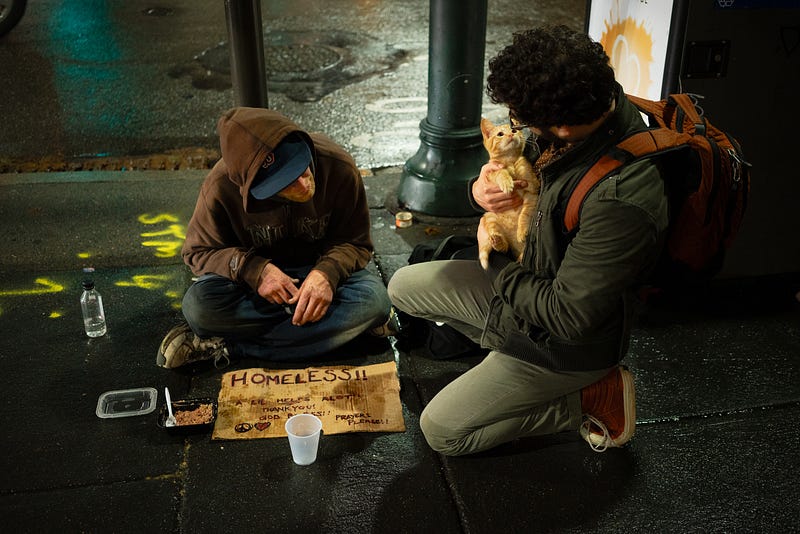
Are you concerned about the growing number of individuals without a home?
Do you feel unsettled by the thought of more people facing uncertainty each night?
Could you imagine a community where everyone has a place to rest?
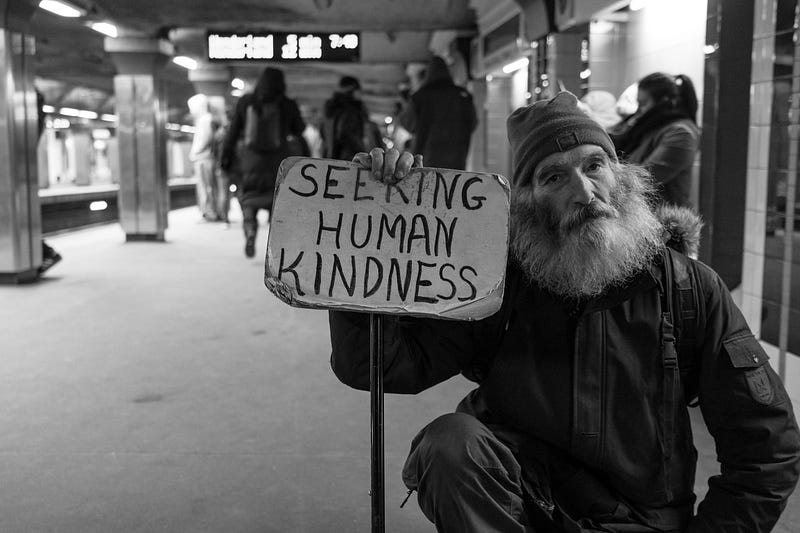
As cities expand and economies fluctuate, a disheartening trend casts a shadow across our society — the homeless population is growing. Our communities are witnessing a troubling surge in the number of individuals without a place to call home, signaling a crisis that demands attention and compassionate action.
The stark reality hits like a cold gust on a winter’s night; the homeless population is not just a number — it’s a growing wave of despair. As the digits climb, so does the palpable heartache, the loss of dignity, and the fading hope of countless souls without shelter. In the shadows of our bustling cities, a silent crisis unfolds, a relentless spiral that weaves a narrative of neglect and societal failure.
Root Causes: Understanding the Factors Behind the Increase in Homelessness
In recent years, cities across the nation have witnessed a troubling rise in homelessness. This complex social issue has become a topic of urgent public concern, prompting policymakers, community leaders, and citizens alike to seek a deeper understanding of its underlying causes. While there is no single explanation for the increase in homelessness, a combination of systemic factors and individual circumstances converge to drive this phenomenon.
Economic Instability One of the primary drivers behind the surge in homelessness is economic instability. The widening gap between income levels and the cost of living means that for many, even a full-time job does not provide enough to cover basic housing costs. The situation is exacerbated by stagnant wages and the decline of stable, well-paying jobs with benefits. When individuals and families cannot keep up with rent or mortgage payments, the risk of losing their homes skyrockets.
Housing Market Pressures The availability of affordable housing has diminished significantly, with the market failing to meet the demand for low-cost options. Urban development and gentrification have led to the displacement of lower-income residents, as rental properties are converted into high-end condos or commercial spaces. Additionally, the limited supply of subsidized housing and long waiting lists for assistance leave many without viable shelter alternatives.
Healthcare and Mental Health Healthcare accessibility plays a critical role in understanding homelessness. Without adequate health insurance or the means to pay for treatment, individuals suffering from chronic illnesses, disabilities, or mental health issues may find themselves unable to maintain employment and housing. Mental health challenges, in particular, are prevalent among the homeless population, often compounded by a lack of support services and resources necessary for effective management and recovery.
Social Safety Nets and Support Systems The erosion of social safety nets has left many without a fallback during times of hardship. Cuts to welfare programs, insufficient unemployment benefits, and the inadequacy of social services contribute to the problem. Additionally, the breakdown of traditional support systems, such as extended family networks, leaves individuals more vulnerable to economic shocks and personal crises that can lead to homelessness.
Substance Abuse and Addiction Substance abuse and addiction are also significant factors, both as a cause and consequence of homelessness. The challenges of overcoming addiction are immense without stable housing and access to comprehensive treatment programs. Moreover, the stigma associated with addiction can lead to social isolation and the loss of family or community support, further entrenching the cycle of homelessness.
Legal and Criminal Justice Issues Interactions with the criminal justice system can impede one’s ability to secure housing. Incarceration, even for minor offenses, can lead to job loss and eviction. Moreover, criminal records often prevent individuals from qualifying for housing assistance or passing tenant screening processes, limiting their options even after serving their sentences.
FAQs:
What are the main causes of the increase in the homeless population?
The rise in homelessness is often attributed to a range of factors, including economic downturns, lack of affordable housing, mental health issues, substance abuse, and systemic poverty.
How is the rise in homelessness affecting urban areas?
Urban areas are seeing higher demands on social services, increased public health concerns, and challenges in maintaining public safety and sanitation due to the growing homeless population.
What measures are being taken to address the rising homeless population?
Efforts to combat homelessness include expanding affordable housing, providing mental health and addiction services, implementing job training programs, and offering emergency shelters and transitional housing.
Once upon a time, in the heart of a bustling city, there was a delicate seashell lying unnoticed on the cold pavement. Each day, people would hustle by, lost in their own worlds, while the seashell remained still, its spirals a silent testament to a forgotten sea.
The seashell’s spirals were like the lives of the homeless, winding and turning, each loop representing a story untold. As the city grew, so did the spirals, each turn signifying the rise of another soul without a home — a pattern as complex as it was ignored.
The seashell, a mere whisper of the ocean’s vastness, echoed the plight of the homeless — a small symbol of a much larger issue, spiraling numbers in the city’s unforgiving tides.
In conclusion, the increase in homelessness is a multifaceted issue that demands a multipronged approach. Understanding the root causes is the first step in crafting effective strategies to combat and prevent homelessness. It is imperative that society invests in comprehensive solutions that address economic, healthcare, housing, and social support systems, ensuring that all members of the community have the opportunity to lead stable and dignified lives.
Don’t let the rising tide of homelessness become an overwhelming wave.
📞 Book your call appointment today to address this urgent crisis!
By acting immediately, you not only contribute to stemming the tide but also receive the invaluable benefits of community improvement, personal fulfillment, and active participation in a critical societal challenge.
Together, we can envision and work towards a future where everyone has a place to call home. 🏠✨