
Spicy Facts About The Human Body
Now we need to know these

The human body is an extraordinary creation, showcasing a web of systems and functions that work seamlessly to sustain life. From the brain’s processing power to the adaptability of our bones, it’s amazing how our body evolves.
The brain’s processing power
Our brain is a remarkable powerhouse of intelligence. With over 00 billion neurons and trillions of connections, it possesses an astounding capacity for processing information. The human brain’s processing power surpasses even the most advanced supercomputers, enabling us to think, learn, and create.
The brain, the command center of the human body, is an awe-inspiring organ with unparalleled processing power. It comprises approximately 00 billion neurons, each forming connections with thousands of other neurons.
The power of muscles
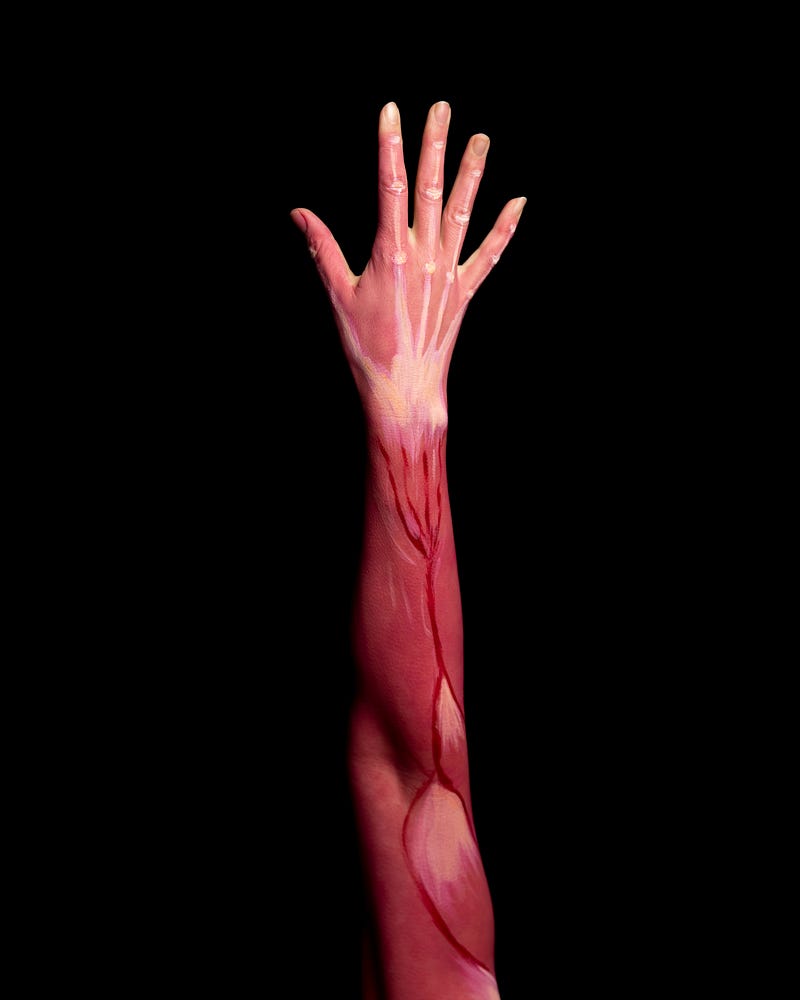
Human muscles are nothing short of extraordinary. They possess incredible strength and endurance, allowing us to perform remarkable physical feats. From Olympic weightlifters lifting hundreds of kilograms to marathon runners crossing the finish lines after enduring hours of intense activity, our muscles are capable of astonishing achievements.
Muscle strength is evident not only in extraordinary athletic performances but also in everyday activities. Consider the simple act of picking up a heavy object or pushing open a heavy door.
The complexity of the digestive system
The digestive system is a marvel of intricate processes. It efficiently breaks down our food, extracting vital nutrients and energy. Did you know that if we were to unravel our small intestine, it would stretch approximately 6 meters long? Such astonishing facts demonstrate the incredible mechanisms at work within our digestive system.
The adaptability of bones
Bones are not mere rigid structures; they possess astonishing adaptability. Our bones renew through remodeling, healing fractures, and responding to physical stress. Additionally, bones possess a remarkable strength-to-weight ratio, allowing us to move, jump, and support our bodies with surprising efficiency.
Bones, often associated with strength and structure, are far more dynamic than they may appear. They possess remarkable adaptability that enables them to constantly remodel and renew themselves in response to various stimuli and stresses. This adaptability plays a crucial role in maintaining the integrity and functionality of our skeletal system.
The power of the immune system

Our immune system is a formidable defender against pathogens. It comprises a complex network of cells and mechanisms that identify and eliminate harmful invaders. Our immune system can remember previous encounters with astonishing precision, enabling us to fight off future infections more effectively.
The wonders of the senses
The human body houses five primary senses, each with its incredible capabilities. Our eyes can distinguish millions of colors and perceive depth and motion. Our ears can detect various sounds, from the faintest whispers to booming thunder. The taste buds on our tongues can discern various flavors, and our sense of smell can identify countless scents. Lastly, with its numerous nerve endings, our skin allows us to experience a wide array of tactile sensations.
The complexion of the circulatory system
The circulatory system ensures the delivery of oxygen and nutrients throughout our bodies. An intricate network of blood vessels spanning approximately 00,000 kilometers tirelessly supports our organs, tissues, and cells. Furthermore, our heart, a powerful organ, beats an average of 00,000 times daily, pumping around 7,500 liters of blood through our bodies.
The power of DNA
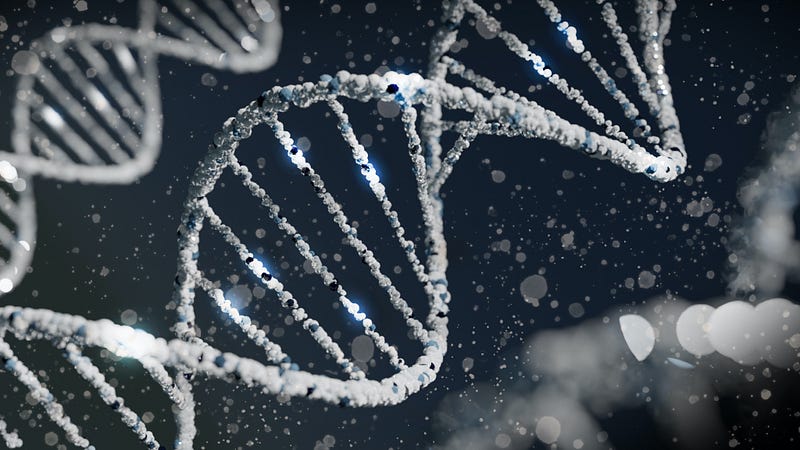
DNA, the blueprint of life, is an awe-inspiring molecule. It contains the genetic information that defines our unique characteristics. Approximately 3 billion base pairs make up our DNA within each of our cells. Interestingly, humans share about 99.9% of their DNA, emphasizing the genetic similarities that bind us.
The structure of DNA or i should say wiring inside human body is a double helix, resembling a twisted ladder. The “rungs’ of this ladder consist of four chemical bases: adenine A, thymine T, cytosine C, and guanine G.
The wonders of the nervous system
The nervous system is a complex network that facilitates communication throughout our bodies. Nerves and neurons transmit electrical impulses at astonishing speeds, allowing us to think, move, and perceive the world around us. Remarkably, nerve impulses can travel up to 00 meters per second, enabling rapid responses to external stimuli.
The remarkable ability to heal

Our bodies possess an incredible capacity for healing and regeneration. From mending broken bones to repairing damaged tissues, our innate ability to heal is remarkable. Wound healing involves a complex cascade of events involving blood clotting, cell migration, and tissue reconstruction. This process restores damaged areas and often leaves scars as a testament to the body’s resilience.
Hi, I am Rose. Please support me by subscribing


