
Speed — The Essence of War
The story of how meth helped fuel Japan’s war fervor
The people of modern Japan have a well-deserved reputation for being generally polite and agreeable. It is difficult to imagine that around the middle of the last century, they were on par with the Taliban in terms of hatred for the West and their bloodthirsty cult of death. And nothing was more representative of the Japanese wartime cult than the fearsome and fearless kamikaze suicide fighters.
The official name of the air suicide units of the Imperial Japanese Navy was “Divine Wind Special Attack Units,” but this was shortened in the Japanese press to “Divine Wind,” or kamikaze.
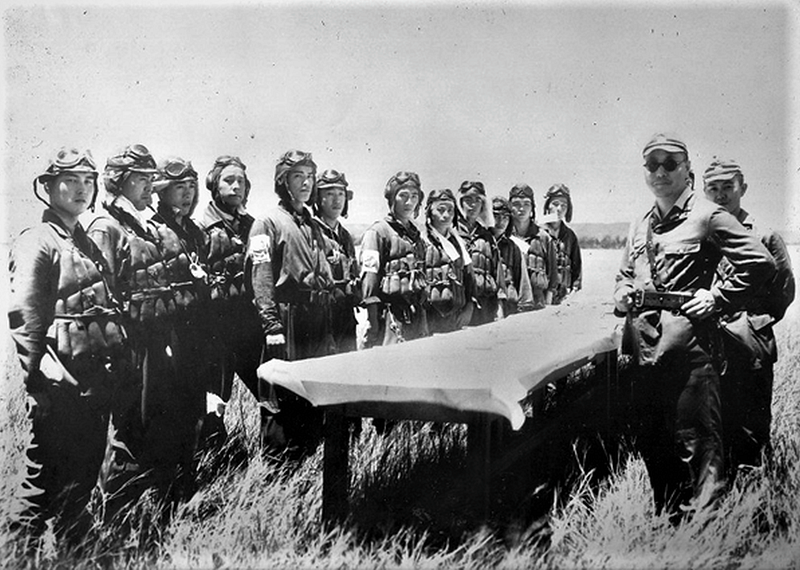
I can recall as a young lad being fascinated by the ubiquitous World War II TV documentaries of the day that showed Japanese fighter planes flying through withering defensive fire into American warships.
What was it that made them able to steel themselves to the point they could overcome our instinctive fear of death? Some superhuman ability? Patriotism? Religious zeal? Love of the Emperor? Hatred of the enemy?
As it turns out, the self-sacrifice and heroism of the kamikaze could be explained by something much simpler…meth.
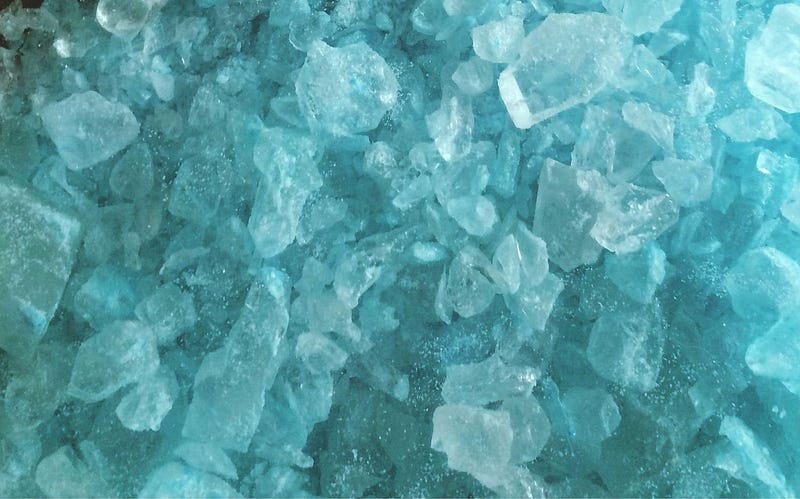
For some reason, Japan contributed much to the early development of meth. It was synthesized for the first time in 1893 by Japanese chemist Nagai Nagayoshi. Another Japanese chemist named Akira Ogata was the first to synthesize meth in crystalline form in 1919.
By World War II, meth was being marketed under the name Hiropon by the then Dainippon Pharmaceutical company as a cure for physical exhaustion.
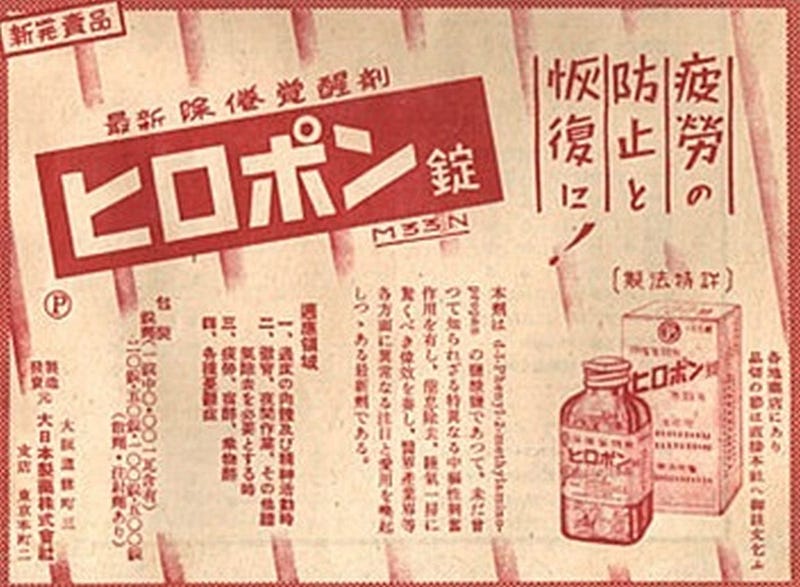
Hiropon is a contrived name formed of two Japanese words: hirou, which means “fatigue,” and pon, meaning “toss away.” A good translation of this name might be “Fatigue Fighter.” A different name, Philopon, was created for international marketing.
Philopon was created by combining the two Greek words philo (love) and ponos (labor) and was probably contrived to come as close as possible to the Japanese name (Hiropon) while appealing to Western markets.
In Japan, Hiropon was distributed to pilots, soldiers, munitions workers, and others doing defense work to increase their productivity. Initially, the government saw meth as the perfect medication when sleepless nights and intense concentration are required. During World War II, taking Hiropon was considered one’s patriotic duty.
No one was more patriotic than the kamikaze pilots. According to historical documents, pilots were injected with large doses of meth. They also consumed Hiropon in the form of pills and chocolate stamped with the Imperial crest, mixed in green tea, and added to the final sake toast of the warrior ceremony performed before they flew off to their deaths.
Of course, the Japanese military was not alone in the use of meth to steel the nerves of their troops for battle during WWII.
The Germans consumed prodigious amounts of meth to fuel their lightning Blitzkrieg attacks and other operations throughout the rest of the war.
Speed is the essence of war. — Sun Tzu
American and British forces also consumed large amounts of amphetamines during the war. General Dwight D. Eisenhower is said to have ordered at least 500,000 tablets of Benzedrine to help his troops “fight fatigue.”
Post-war Japan — Meth Nation
The war did not turn out as expected by Japan. The end of hostilities left the country with a massive supply of surplus Imperial Army meth, which was released into the black market. The illicit meth trade became a major cash cow for the Yakuza, and the vast amounts of money they made from meth fueled the rapid post-war rise of the underworld organization.
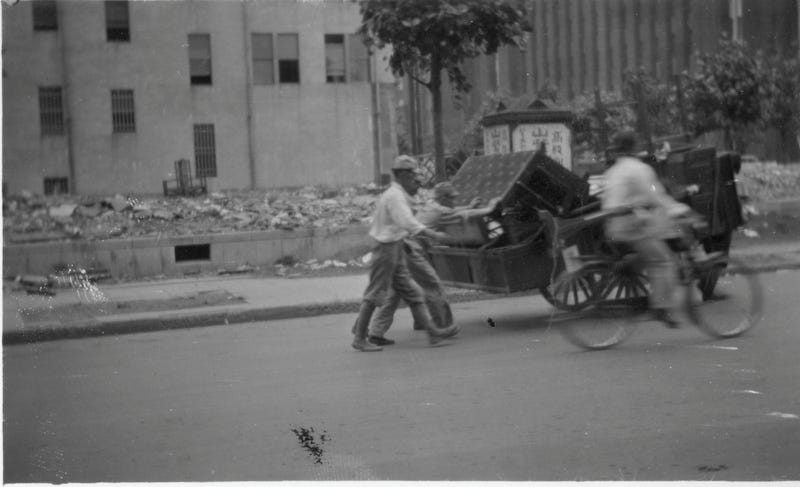
Once a citizen’s patriotic duty, meth now provided an effective way to deal with the hunger, deprivation, and shame brought on by the nation’s military defeat. It is estimated that 5% of the Japanese population between 18 and 25 was hooked on meth during the early 1950s.
Today, methamphetamines still account for 80 percent of all illicit drug use in Japan.


