
SPEECH DEVELOPMENT IN INFANTS: STAGES AND EVOLUTION
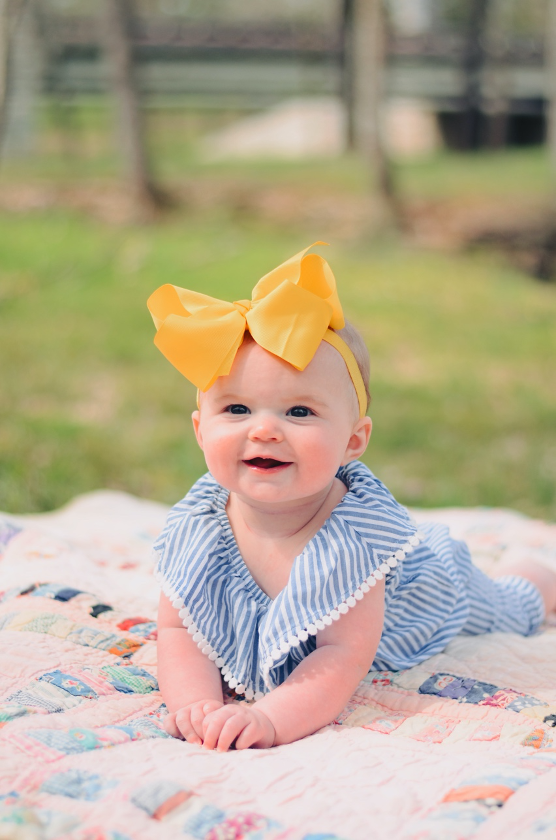
A baby’s ability to speak is an incredible accomplishment in their life. Infants go through distinct developmental phases in the early years that influence how well they acquire and use language.
Babies learn to speak during the first phase, which lasts from 0 to 12 months, through motions, laughs, and cries. Communication is a vital way of expression for them since they respond to hearing and start to orient themselves to the responses of their surroundings. The first words and basic sentences appear between the ages of 12 and 18 months. The environment plays a crucial influence in a baby’s development of language since parents urge their child to use words like “mum” and “dad” to communicate. An infant’s vocabulary grows between the ages of 18 and 24 months, recognizing and employing an increasing number of words. First uses of words like “say” and “where” coincide with increased intensity of expressive communication attempts.
Speech gets increasingly sophisticated and intelligible between the ages of 24 and 36 months. Babies start to utilize language in phrases, create better mental patterns, and apply verbal skills. Eventually, children acquire a large vocabulary and complete communication skills by the time they are 36 months old. They have a rich language and social experience because they can communicate ideas, express emotions, and engage in social activities.
Consequently, a baby’s speech development is an exciting process that mirrors their communication skills and brain growth. Parents and instructors can assist infants in developing increasingly complex and rich speech when they are in a supportive environment. However, it’s crucial to keep in mind that each child is different and grows in their own way. Therefore, if a child is not developing in the same way as another child of the same age, parents shouldn’t put pressure on them or worry about them. Put another way, parents need to give their kids stability and support.


