Species, Weather, Location
Keeping it all in a Journal
In 2010, I released an extensive 430-page journal tailored for birdwatchers and bird photographers to record their observations. Despite its substantial size, the book sold remarkably well, offering ample space for noting the bird species, weather conditions, and locations. It also included a page for notes and the date at the top of the pages.
The practice of keeping a journal of observations not only aids in species identification but also provides valuable insights into the birds’ behaviors and habitats; the notes page was for writing these particular sightings.
Recording details like weather conditions and locations, birdwatchers and photographers contribute to a collective knowledge that aids conservation efforts.
The most important thing, at least for me was that the bird journal served as a personal archive that I could reflect back to in my older age. Like now.
At times, I would print a small image of a bird I had photographed that day and glue them to the notes page, or I would number the digital image and make note of it on that same page. Then, it was easy for me to find it on my computer or external drive.
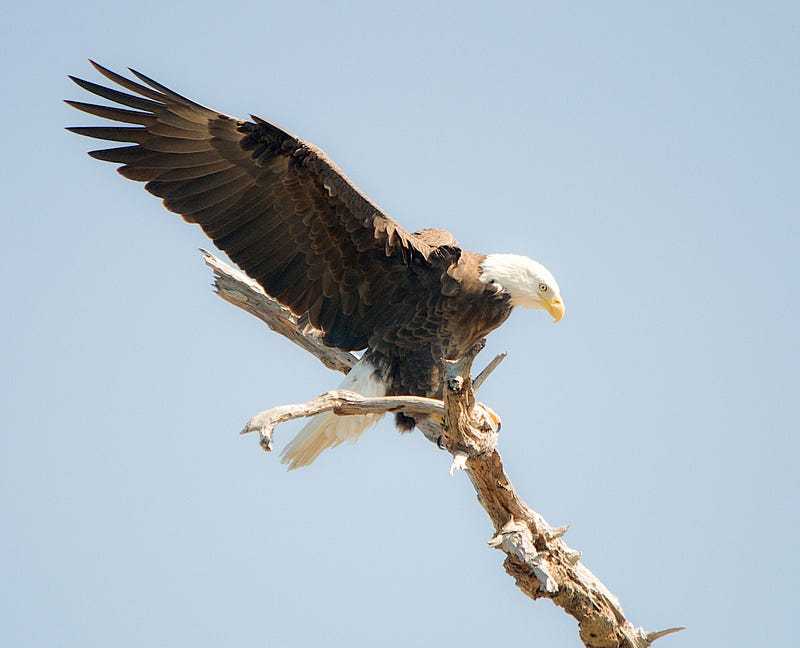
Images like the one above of the Bald Eagle coming in for a landing on the dead tree. I spent years photographing every family of Eagles in that same location and documenting my work. Every year provided something exciting and different from the previous years.
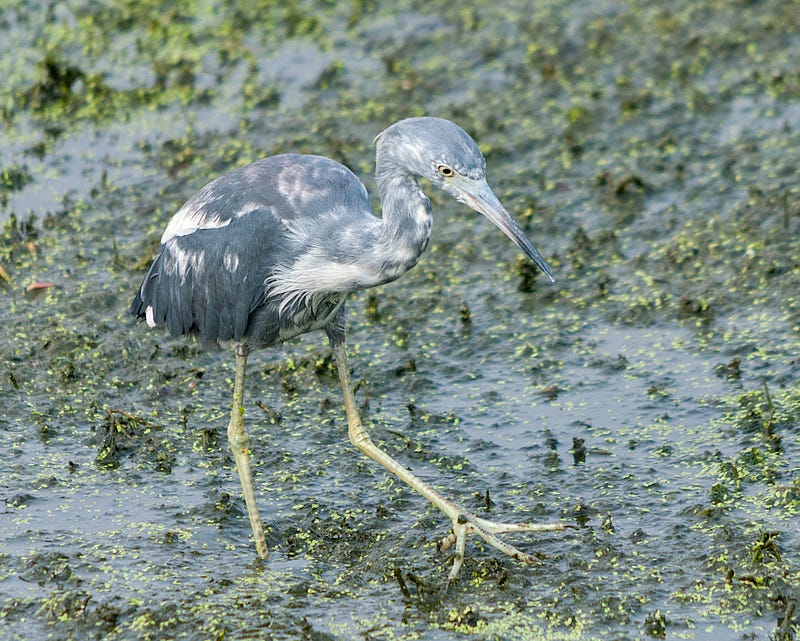
Images like this Molting Juvenile Little Blue Heron. In my notes, I would include time of day, the type of location, the temperature, and the activity the bird was engaged in. Then, when I had time, I would look back over my notes of a particular species and do a bit of research on what I had found to further educate myself. Then, the next time I was out photographing and seeing the bird activity, I had a good understanding of what was taking place.
I found that the Juvenile Little Blue Herons undergo molting as they transition from their downy plumage to their adult feathers. During the molting process, they gradually replace their fluffy feathers with the sleek, more defined plumage characteristic of adult herons. This transformation is essential for their survival, providing them with the features necessary for efficient foraging and adapting to their adult roles within the ecosystem.
Molting is a natural and vital aspect of the juvenile Little Blue Herons’ development, ensuring their continued growth and ability to thrive in their environments.
I have filled up a handful of these books with my birding adventures, and it helps, especially now since I am writing on Medium or in other places to use as references.
The journal has been out of print for a few years, but I recently republished it, and it will eventually be available for sale on Amazon using this link.