
Speaking, Like Making Pottery, Needs To Be Learned.
Why learning the art of public speaking is not just for a hobby or a specific job, but a necessity for all.
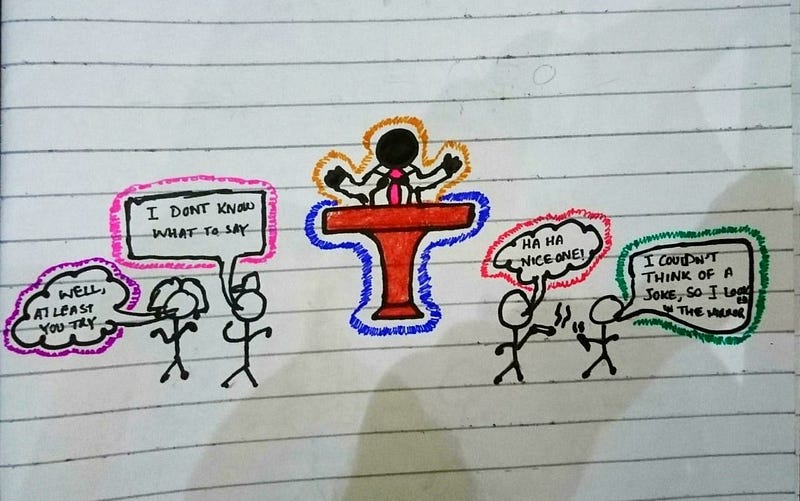
Suppose you are a doctor and you need to counsel a troubled patient or a teacher and you need to guide a class of twenty children throughout the year or an entrepreneur who needs to pitch in an amazing idea to a big firm or a friend who needs to solace a friend who went through a breakup. The interesting fact is that you don’t need these tags or jobs to face these situations because as a social animal, your social construct hands you these inherent responsibilities where your communication is pivotal. You’ll always have someone who looks up to you to be convinced, influenced, motivated, inspired, or comforted. In short, the very essence of your being human is latched to your expression and the most dominant or pertinent form of that expression is vocalization.
There are more or less four basic forms of communication out of which three are such that are encountered by everyone. (even prisoners unless you did something horrible)
- Personal communication: where a person talks to themself. (thinking can also be grouped under this category)
- Interpersonal communication or dialogue: where two individuals are having a conversation.
- Group discussions: where three or more people sit down and have a chat.
- Public speaking: where a person addresses a crowd.
From my 13 years of public speaking experience and a subsequent one year of working as a public speaking coach at a university, I can clearly say that this skillset has helped me a lot in all of these forms of communication along with the thing that sustains a communication i.e. the art of listening. To most of the people, public speaking is about rhetoric and high amplitude, exaggerating or even dramatizing emotions or perhaps….even Hitler. This is a general misconception and I assure you it’s much more than this. Here is how and why this is necessary for all of us.
1. Breaking The Worst Barrier; Taking Initiative:
You will be surprised to know, how a task so small as preparing a speech as a classroom activity can be very helpful in forming a habit of taking initiatives. When you aspire to speak in a gathering, you are bound to do some research on suitable topics or even sharpen your observation about things. This leads you to build a better and informed perspective about a certain issue you chose to speak upon. Having this background information about issues lets you build the necessary ladder to climb that barrier and take initiative. For example, I had a student who wanted to write good speeches for national competitions. We decided to have one on one discussions about the issues she’ll be addressing in her speeches. When we had those discussions, we felt enlightened. There was always a newer perspective to be looked into. This information and the confidence she got from speaking made her bold enough that she took the initiative about forming anti-harassment force on the university campus.
2. Knowing What To Say And When To Say It:
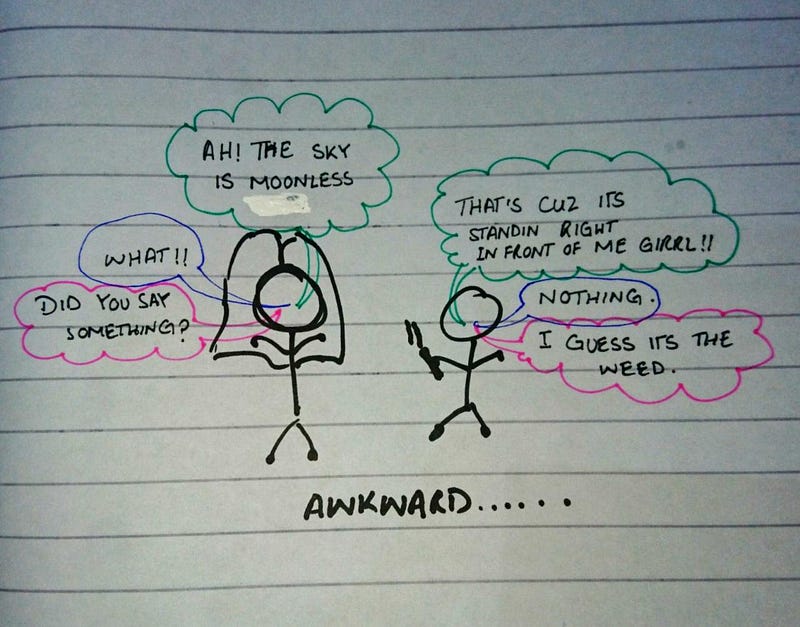
Most of the times, when we decide to break the ice and finally interact with someone new, we tend to say something that makes things awkward or we might be caught up in a situation where a friend is about to cry and we say things and realize that we’re not helping at all. It happens to all of us. But if we practise our speaking skills, we can tackle this situation head-on. Public speakers have a habit to assess the crowd they are addressing and they also choose their words according to the gravity of the issue and the ambience of the hall. Even if they make a point that does not get the desired response, they know how to confidently move on and not let the response spoil their performance. They know how to sound relatable and brief and keep their audience engaged. This helps them in their personal interactions. I have seen this change visible in my students and even myself. I can now easily read the room and engage accordingly. I hardly have any awkward moments in my conversation and when it does happen, I know how to move past it.
3. Being Relatable And Confident:
I always admire one thing about public speakers. They face their worst nightmare on a regular basis; stage fright. It never really goes away. There is a beautiful uncertainty to this art. The uncertainty that things can go wrong at any moment. But like stuntmen, speakers actually enjoy the adrenaline rush associated with it. This garners a poise and calm in their persona. Their body language reflects a ray of confidence. This makes them influential and moving. People actually stop to turn their heads toward them and listen. Isn’t this what all human beings want? To be considered and noticed? Furthermore, managing to unfold a topic in a specific time over and over again teaches them to be relatable and apt at every moment. You would rarely find an experienced speaker, swaying away and losing direction of the matter at hand. They know what to say and when to say it.
4. To Be Patient And Compassionate Or When Not To Speak And Listen:
At this moment, open your Twitter or Facebook account and click on a BBC or New York Times article and see the comments below. You’ll be astonished at the shallowness and absurdity of the debate that people normally engage in. it’s like they’ve lost the track of the problem and now they are just shooting points at each other just because they can’t actually shoot the other person with a gun. Comments are filled with hate speech and intolerance. If you analyse the situation, you can easily tell that no one is actually ready to listen to the other person. They don’t have the mindset to be calm and listen to what others have to say about a certain issue. They have all the time in the world to go on and on about what they have to say that they hardly spare some moments to consider the opposing point of view. Every human can make mistakes. The worst part is being adamant and keep on believing that one is right. Our fast world lacks the patience to remain silent when its wise and compassion to give space to the narrative of the other person. This is the most valuable lesson public speaking has taught me. To read the room and assess the audience. To observe people and know whether they are willing to listen or whether it is wise to remain silent at a particular moment. To have the compassion to let others share their grievances and opinions. To respect them for having voiced their concerns. This is what makes a society tolerant and sustainable.
5. To Win Friends And Influence People:
The title might be familiar. Of course, the book is amazing but I claim that almost every habit you need to acquire to do these things can be internalized by learning public speaking. By reading about the concerned topics, speakers have a vast information bank and by their speaking skills, they know how to humanize that piece of information. This makes them insightful and interesting people to interact with. The practice of articulation, pauses and clarity makes their words magical. They know how to turn a bland thing into something fun. The ability to speak infused with confidence lets them grip their listeners. That is why at the centre of every revolution or movement, there stands a public speaker.
These are just a few general aspects that all of us need in our lives and by just learning this art we can master all of them without even knowing.
This research is just one example. I being a medical student as well, can say for sure that this art has helped my interaction with my patients.
I believe that as humans it is crucial that we learn to be efficient in our communication. We actually need this now more than ever. This is pivotal in bridging the gap between colleagues, family members, couples, teachers and students and others. To be able to efficiently voice what we think. To give the gift of expression to our most treasured opinions is the most beautiful accomplishment a social animal can experience. So, I urge all of you who made this far reading this article, to spare some time to learn this skill. Be a better entrepreneur, a compassionate doctor, an inspiring boss, a kind teacher, a better shoulder to cry on and most importantly a better human being. I can say that learning this art is not limited to a podium. It extends inside your workspaces and homes. It is what binds us together.