avatarMike Alexander

Free AI web copilot to create summaries, insights and extended knowledge, download it at here

2741

Abstract

/figcaption></figure><p id="f24e">It is when you step away from the cute and cuddly, or the huge and impressive that you are able to see most clearly what damage we are doing across the environment as a whole.</p><p id="7b10">Very often it is the little guys, comparative bit players on the environmental stage, who provide the first indications that something is seriously wrong with the world about us.</p><h2 id="b11c">The inconspicuous are the early warning system</h2><p id="8dac">Take flies as an example. I find it extremely unlikely that a campaign to save the fly would ever really gain any traction. We are unlikely to see a Protect the Fly society or a sudden rush of donors reaching for their wallets because they are in love with maggots.</p><p id="4197">In the minds of most of us, flies are just pesky things that carry disease. We probably wouldn’t rush to buy some medicine made from the scales of a pangolin, but we wouldn’t even blink about killing a fly. Few of us, before reaching for the aerosol or the fly swat, stop to consider what benefits they might offer.</p><blockquote id="9b95"><p><b>Well, for starters, there are over 159 thousand known species of fly. They are a major food source for many birds, fish, and mammals.</b></p></blockquote><p id="4328">They are great pollinators, and if it weren’t for one particular species of fly, Theobroma cacao, there would be no such thing as chocolate. That alone is reason enough to take them into consideration, in my opinion.</p><figure id="e33e"><img src="https://cdn-images-1.readmedium.com/v2/resize:fit:800/0*FTZSMMOkHzwviuGy"><figcaption>Photo by <a href="https://unsplash.com/@amir_v_ali?utm_source=medium&amp;utm_medium=referral">amirali mirhashemian</a> on <a href="https://unsplash.com?utm_source=medium&amp;utm_medium=referral">Unsplash</a></figcaption></figure><p id="fa55"><a href="https://en.wikipedia.org/wiki/Maggot_therapy">Maggot therapy</a>, which has been around since the 1500s, is still an effective remedy in the treatment of ulcers and bedsores. It is currently being used widely in the US, UK, and Australia. It saves the UK health service in the region of 1.9 billion dollars per year in pharmaceutical expenses.</p><blockquote id="e843"><p><b>Probably the most useful role that some flies play, and one that goes largely ignored, is their ability to break down dead and rotting material.</b></p></blockquote><p id="b4b7">From animal carcasses through to dog turds, the fly is the guy. Without these diligent little insects, these materials, and many others like them, would linger in the environment for months.</p><figure id="08c4"><img src="https://cdn-images-1.readmedium.com/v2/resize:fit:800/0*w2Xa3gC7RRNbmiD6"><figcaption>Photo by <a hr

Options

ef="https://unsplash.com/@mr_ayien?utm_source=medium&amp;utm_medium=referral">MOHD AZRIEN AWANG BESAR</a> on <a href="https://unsplash.com?utm_source=medium&amp;utm_medium=referral">Unsplash</a></figcaption></figure><p id="813b">Like other insects, many fly species are under threat. Mayflies, for example, are the oldest known flying insects. Though they live for just twenty-four hours, they are an important food source for both fish and birds.</p><blockquote id="c202"><p><b>At the moment, 37 percent of their species are under threat from acidification of the waters in which they breed.</b></p></blockquote><p id="fe0e">While we will undoubtedly continue to laude those who can drive a golf ball in a straight line or whose perfect white teeth and perky breasts paved their way to acting stardom, it is time to start looking more widely when it comes to the natural world.</p><p id="e00f">Those that are gaining the most attention are the outliers. Their suffering is just the most visually appealing sign of the ugliness that is occurring on our planet on a far wider scale. While we will mourn their loss, it may well be the loss of the bit players, those small, unrecognized, and often downright unattractive-creatures, that bring about our demise first.</p><h2 id="def5">Notice the unnoticed and save the environment</h2><p id="39a5">More and more, scientists and environmentalists are starting to note that loss of biodiversity and natural habitat now pose a huge risk to the world we live in.</p><p id="2e35">COVID, global warming, and a certain US president may be hogging the limelight at the moment. Quietly, a much bigger and more dangerous storm is brewing all around us. We need to drag our eyes away from what the media is telling us is urgent.</p><p id="f5fa">COVID will probably be brought largely under control this year, current megalomaniacs will vanish, only to be replaced by others. The environment will continue to implode and it is going to directly affect all of us.</p><p id="ade1"><b><i>Thank you for reading.</i></b></p><p id="ef9c"><i>If you want to know more about wildlife, you may read the following curated article about Kestrels.</i></p><div id="1d5c" class="link-block"> <a href="https://readmedium.com/kestrel-kindergarten-7e9592f8b2d6"> <div> <div> <h2>Kestrel Kindergarten</h2> <div><h3>Flying school for raptors</h3></div> <div><p>medium.com</p></div> </div> <div> <div style="background-image: url(https://miro.readmedium.com/v2/resize:fit:320/1*P9W8jImp6yeLnC428kezjw.jpeg)"></div> </div> </div> </a> </div></article></body>

Spare a Thought for the Ordinary

It may not be the big things that shout the loudest warning
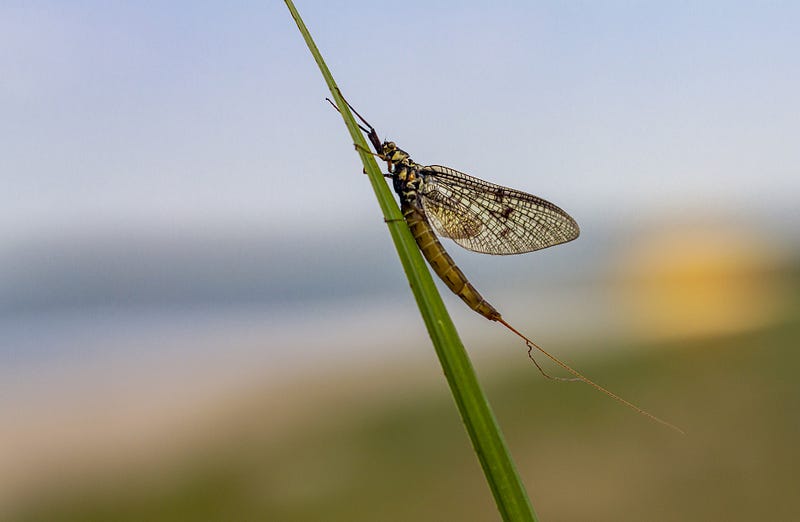
Image by Erik Karits from Pixabay

Care workers, social advocates, and saints be damned. We want to worship at the feet someone who can throw a ball through a hoop, jiggle their butt while lip sinking to a soon to be forgotten song or make a million dollars before breakfast. Let’s hope that the good Lord doesn’t decide to judge us by who we promote to the status of hero. This seemingly universal human characteristic has only been magnified by the advent of social media.

I wish that this glaring weakness in our collective character was restricted to our fellow human beings. Unfortunately, that is simply not the case. Even in the area of environmental protection, we love to have our rock stars. Whales dominated the stage for over a decade, only to be replaced by elephants and then rhinos. The clumsy panda is a hardy perennial with nearly as much staying ability as Cliff Richards or Johnny Hallyday.

Look out for the unnoticed

Don’t get me wrong. I am all in favor of the protection systems that these celebrity animal profiles have generated. I just wish more of it would spill over to the little guys because, believe me, they need it.

At the moment, one of the up-and-coming stars on the endangered species stage is the pangolin. It might seem an unlikely candidate for rising stardom, but it certainly needs all the help it can get.

Between 2000 and 2019, 895000 of these harmless creatures were trafficked. Most of them are killed so that their scales could be included in traditional medicines with absolutely no proof of efficacy. You may as well have bunged in some toenail clippings.
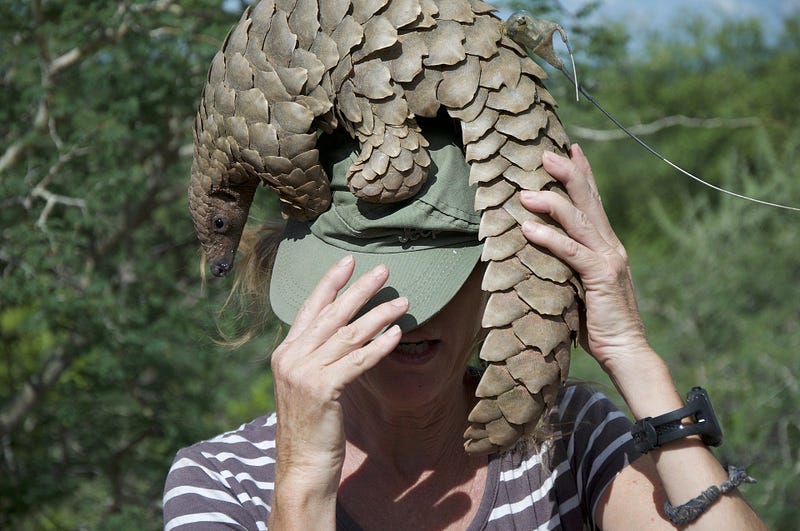
Image by Alex Strachan from Pixabay

It is when you step away from the cute and cuddly, or the huge and impressive that you are able to see most clearly what damage we are doing across the environment as a whole.

Very often it is the little guys, comparative bit players on the environmental stage, who provide the first indications that something is seriously wrong with the world about us.

The inconspicuous are the early warning system

Take flies as an example. I find it extremely unlikely that a campaign to save the fly would ever really gain any traction. We are unlikely to see a Protect the Fly society or a sudden rush of donors reaching for their wallets because they are in love with maggots.

In the minds of most of us, flies are just pesky things that carry disease. We probably wouldn’t rush to buy some medicine made from the scales of a pangolin, but we wouldn’t even blink about killing a fly. Few of us, before reaching for the aerosol or the fly swat, stop to consider what benefits they might offer.

Well, for starters, there are over 159 thousand known species of fly. They are a major food source for many birds, fish, and mammals.

They are great pollinators, and if it weren’t for one particular species of fly, Theobroma cacao, there would be no such thing as chocolate. That alone is reason enough to take them into consideration, in my opinion.

Photo by amirali mirhashemian on Unsplash

Maggot therapy, which has been around since the 1500s, is still an effective remedy in the treatment of ulcers and bedsores. It is currently being used widely in the US, UK, and Australia. It saves the UK health service in the region of 1.9 billion dollars per year in pharmaceutical expenses.

Probably the most useful role that some flies play, and one that goes largely ignored, is their ability to break down dead and rotting material.

From animal carcasses through to dog turds, the fly is the guy. Without these diligent little insects, these materials, and many others like them, would linger in the environment for months.
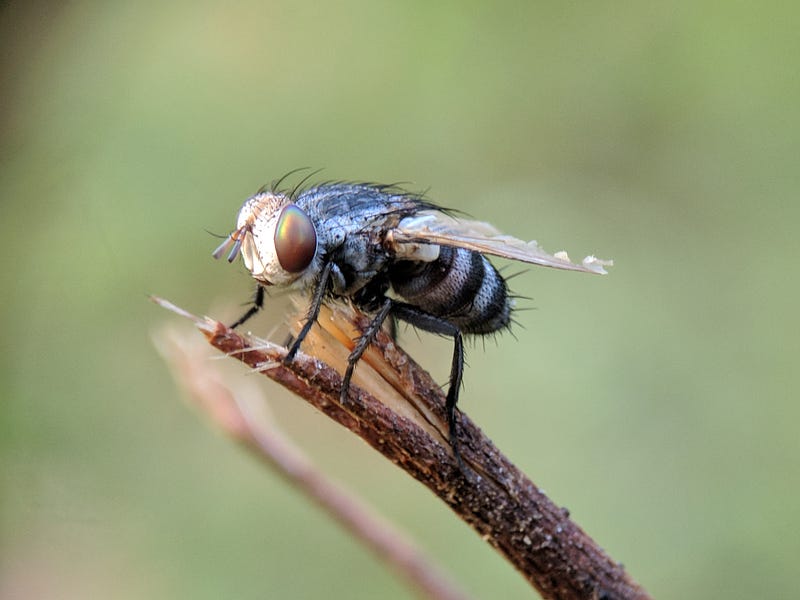
Photo by MOHD AZRIEN AWANG BESAR on Unsplash

Like other insects, many fly species are under threat. Mayflies, for example, are the oldest known flying insects. Though they live for just twenty-four hours, they are an important food source for both fish and birds.

At the moment, 37 percent of their species are under threat from acidification of the waters in which they breed.

While we will undoubtedly continue to laude those who can drive a golf ball in a straight line or whose perfect white teeth and perky breasts paved their way to acting stardom, it is time to start looking more widely when it comes to the natural world.

Those that are gaining the most attention are the outliers. Their suffering is just the most visually appealing sign of the ugliness that is occurring on our planet on a far wider scale. While we will mourn their loss, it may well be the loss of the bit players, those small, unrecognized, and often downright unattractive-creatures, that bring about our demise first.

Notice the unnoticed and save the environment

More and more, scientists and environmentalists are starting to note that loss of biodiversity and natural habitat now pose a huge risk to the world we live in.

COVID, global warming, and a certain US president may be hogging the limelight at the moment. Quietly, a much bigger and more dangerous storm is brewing all around us. We need to drag our eyes away from what the media is telling us is urgent.

COVID will probably be brought largely under control this year, current megalomaniacs will vanish, only to be replaced by others. The environment will continue to implode and it is going to directly affect all of us.

Thank you for reading.

If you want to know more about wildlife, you may read the following curated article about Kestrels.

Environment
Nature
Wildlife
Insects
The Masterpiece
Recommended from ReadMedium