
Spain’s Costa Blanca
My Week in Calpe and its Surroundings
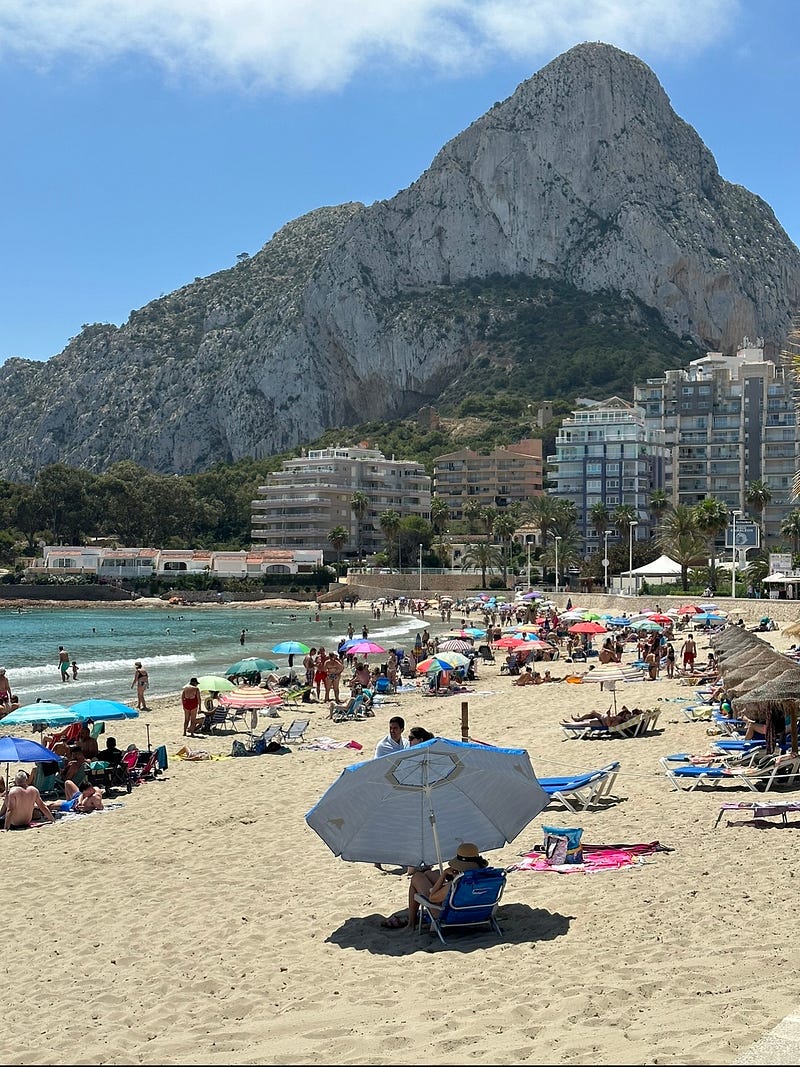
From Madrid, the train roars closer to the coast. The rocky terrain is orange, sometimes a pale tangerine shade and sometimes darker, almost burnt sienna.
I arrive on time at 3 p.m. in the city of Alicante in the Alicante province of Spain, an exquisite seaside region known as Costa Blanca.
And here they are waiting inside the station, Manuel and Lupe, my dear friends who are spending the summer in Calp. Or Calpe. Some road signs indicate Calp and some say Calpe. I prefer the ring of Calpe.
Calpe is in Alicante province about an hour drive up the coast from Alicante the city. Manuel and Lupe have become somewhat experts in the region, having discovered preferred places and less preferred places.
In the car, Lupe points to something in the rocky hills; sections of limestone have been carved out, creating cave-like orifices in the landscape. Centuries of building blocks have been seemingly haphazardly removed from their sources.
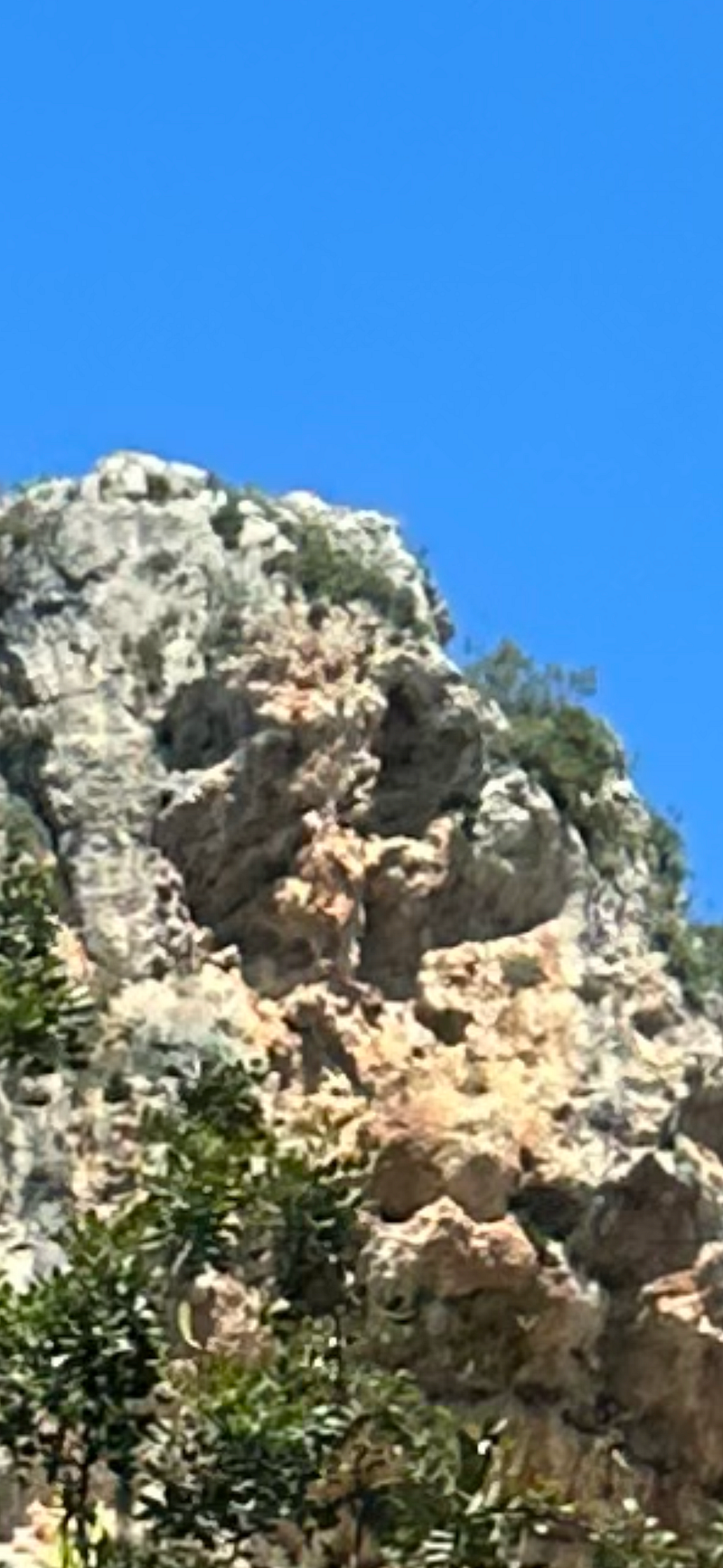
Manuel notes a city within view from the highway, about equidistant from Alicante to Calpe.
There, towers rise. It does not have the appearance of a resort community but that’s what it is. We do not take that exit.
The well-traveled and sophisticated Manuel says, “Do you remember the American reality series, Jersey Shore? Here it’s Benidorm. In the UK they’ve been running a reality series about Benidorm for around ten years.”
“No, Manny”, says his wife. “It’s a sitcom.”
I Google it. Lupe, now working in real estate in California but formerly employed by a European airline, wins the discussion. Not only has Benidorm been a BAFTA-nominated hit UK sitcom, but it’s now been reconfigured as a play to travel Britain and Ireland.
Benidorm never made it into my living room and I never make it to Benidorm, as my friends claim to be desirous of refraining my “delicate aesthetics” from exposure to the reputedly raucous 24-hour party people dwelling in Benidorm who are not Spanish but, according to my friends, mostly English with quite a few German and Dutch denizens mixed in.
We drive on past rumored tacky to reality sublime.
That is, we pull up to Manny and Lupe’s Spanish-style four-bedroom house, stucco and red-roofed, mostly modern but with some nineteenth-century bones.
And the most astonishing view. The town of Calpe is below us and jutting out into the placid sea-green Mediterranean Sea looms a giant rock, a mesmerizing awe-inspiring rock called Penon de Ifach.
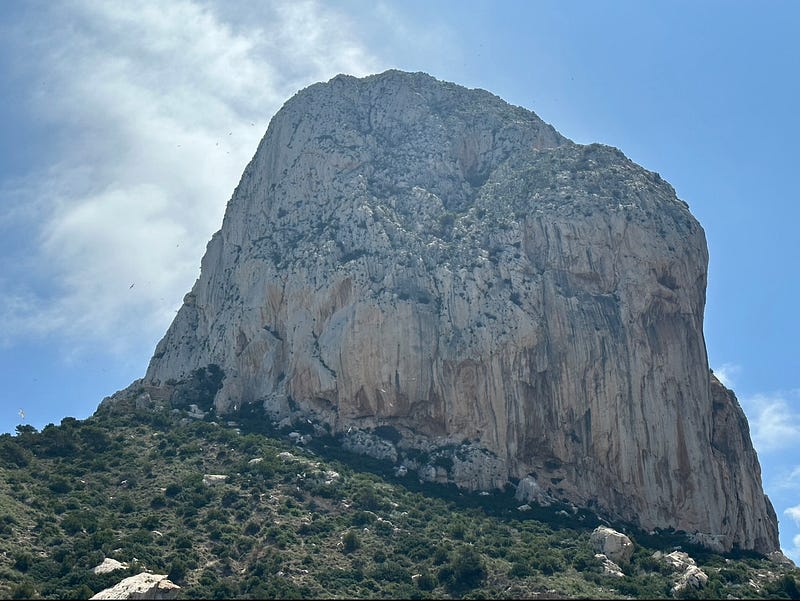
Another friend arrives the next day, Stephen Allen, a professor from Massachusetts who goes by S.A, both for his initials and his propensity for writing essays. He is also flabbergasted by the view, saying, “It looks like Rio.”
He has been to Rio; I have not. But from what I’ve seen in photographs of Sugarloaf, I do see a resemblance.
I experience two local supermarkets, one called Pepe (Pepe seems a popular name in these parts) and they are well stocked and remarkably, for a touristic area, reasonably priced. Even imported-from-the-U.S. pistachio nuts are less expensive than at home, a large bag selling for eight Euros.
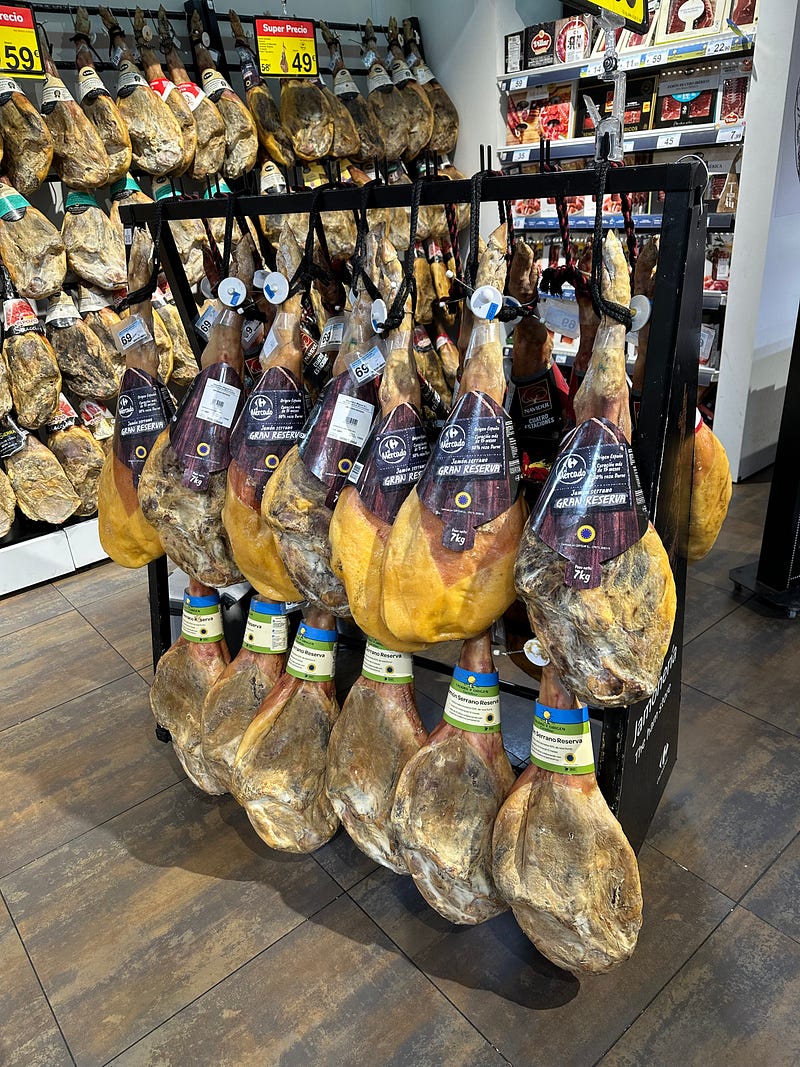
Seafood and pork and cheese and olives abound. At the deli counter, instead of ten kinds of smoked salmon as in New York’s Zabar’s, there are ten types of ham. Sometimes the ham is sliced from the leg of an animal with the cloven hoof still attached.
The region is known for its rice, almonds and raisins.
Fruit are glorious: fine peaches, grapes, and tomatoes, and we take advantage of the local Valencia oranges (I had always thought they were named for Valencia, California), which become the sweetest fresh squeezed OJ.
The local ice cream from Pepe’s Market tastes like gingerbread.
And the breads, white and whole-grain, are exceptional.
We often dine al fresco, at a table near Manuel and Lupe’s pool.
Exploring the Area
Our admirable hosts bring S.A. and me to one of their favorite discoveries. This originally Moorish village, Gata de Gorgos, the cat of the Gorgos River, is a crafts center.
Adjacent boutiques specialize in all sorts of locally-made wicker objects: from giant donkeys for 950 Euros to small breadbaskets costing around five.
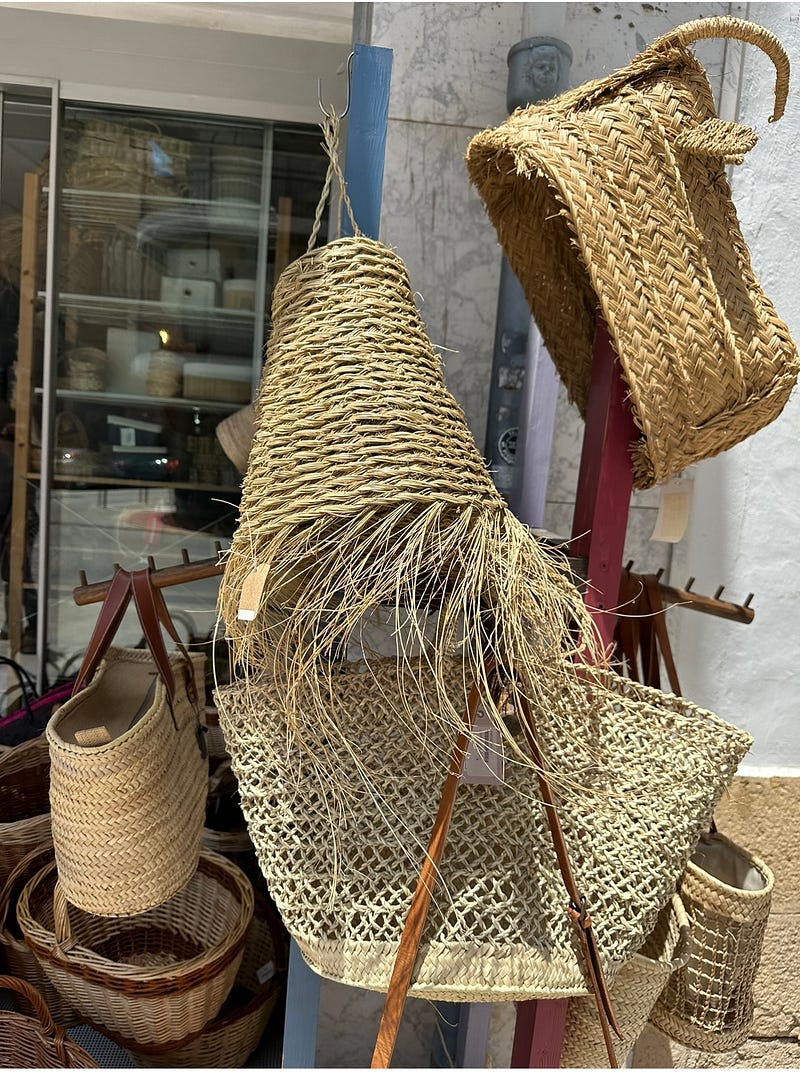
And handsome hand-painted ceramics.
At 2, we enter the seafood restaurant Avenida a couple roads from the wicker abundance, a decidedly non-touristic venue that my friends have recently visited.
I see tellinas on the menu, the tiny mollusks from nearby waters. We enjoy them as an appetizer, cooked in a light lemony olive oil sauce.
S.A. and Lupe order sole, Manny has flounder and I have a tuna steak. All excellent. As are the vegetables and the local white.
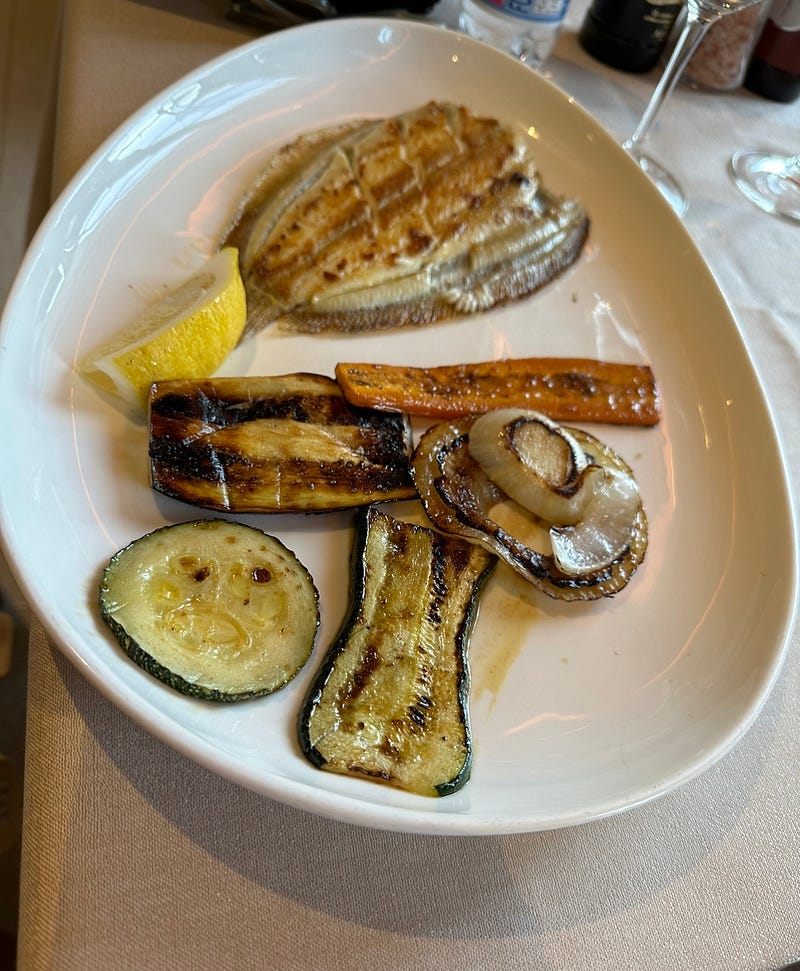
Every restaurant seems to offer a gratis limoncello after the meal, and a cordial that tastes like Baileys.
We have dinner in Calpe’s commercial strip where, strangely, the restaurants are all Italian, not Spanish.
The next day, we visit a stunning small city called Javea in Spanish or Xabia in the Valencian dialect. Originally inhabited by cave dwellers, it is the oldest Roman site on the Costa Blanca. The beaches are breathtaking and the buildings don’t rise high, unlike in Calpe, where structures of all size exist side-by-side.
We pass through Xabia’s old wood-beam vaulted municipal market, where they sell fish, meat, produce and olives. And books!
On the street, I notice many intriguing iron doorknobs and balconies, and enter the prettiest little public library I have ever seen.
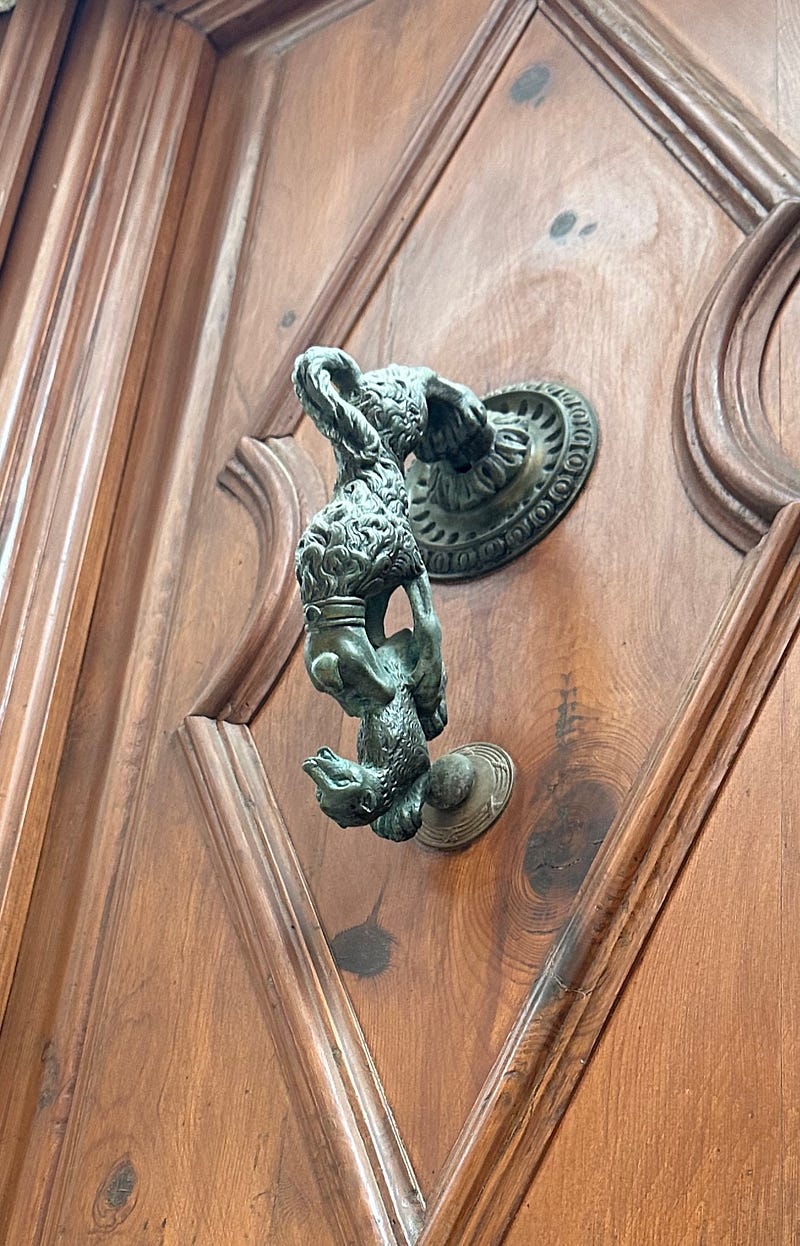
Lupe points to metallic scallop shells inlaid into the pavement and explains that they mark the Alba route of the legendary Camino del Santiago pilgrimage.
The stately Sant Bertomeu fortress/church, dating from the fourteenth century and built from the region’s orange stone, is closed at this time.
It is drizzling. I have an umbrella, which I offer to share with Lupe, but she prefers to tie a plastic bag around her head. I do have photographs of this but I know she would be unhappy to see them published.
A nearby sign announces “Contra Les Violencies Masclistes.” There have been protests in Spain against sexist violence.
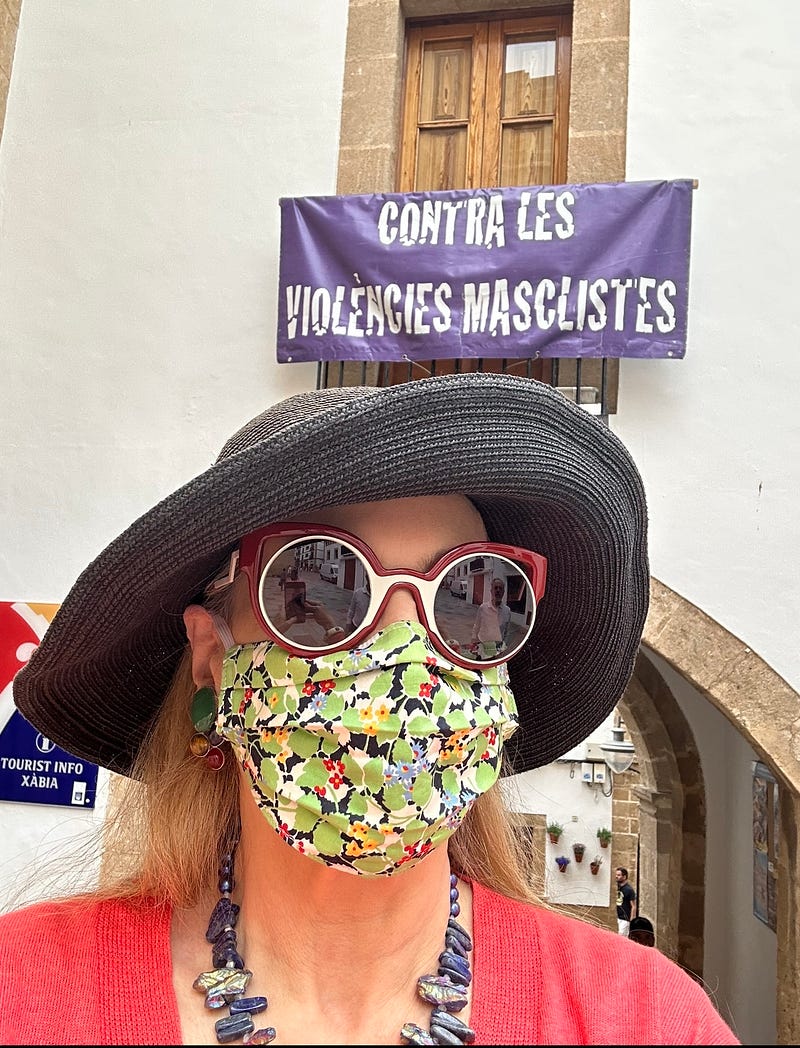
And while Spain is known for its machismo, during my two-week stay in several areas of Spain, I never encounter any unpleasantness towards women or view any homelessness.
We spend a day at Moraira Beach; swimming in its translucent green waters, an exquisite view only slightly marred by blood red or George Hamilton brown or fish belly white European vacationers roasting on the soft sand.
I was delighted to see a new retro Volkswagen campervan, not yet available in the States, pull up to the beachside restaurants.
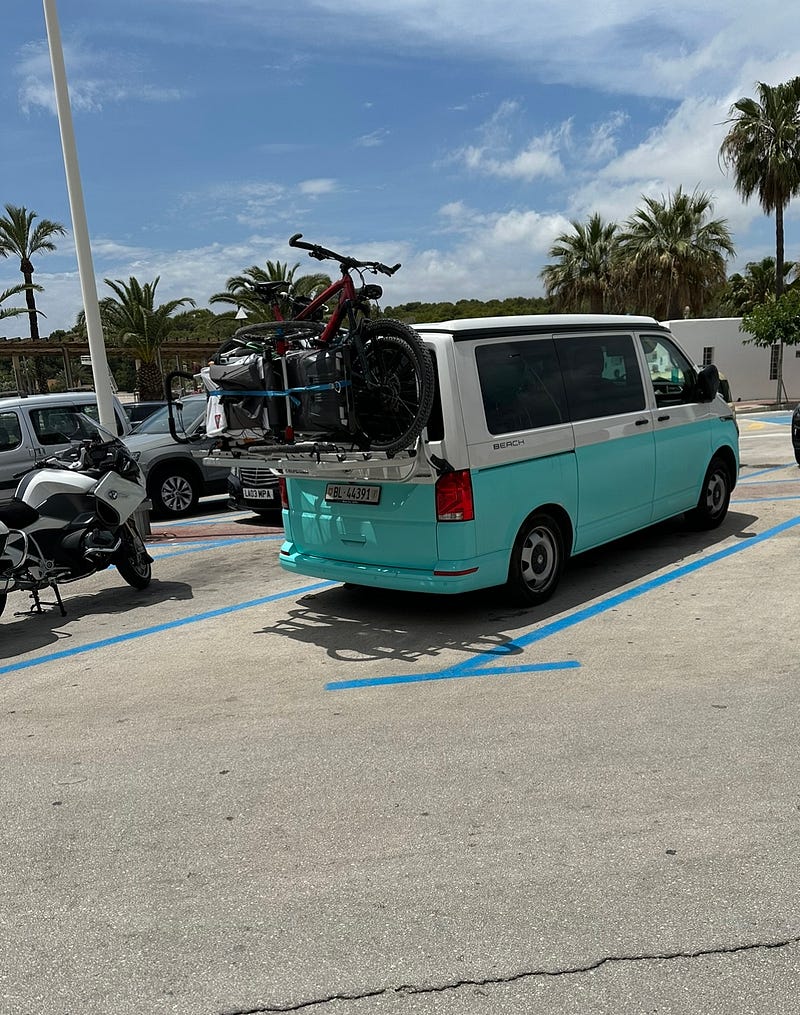
We picnic on bagels and salads with chocolate pizza for dessert.
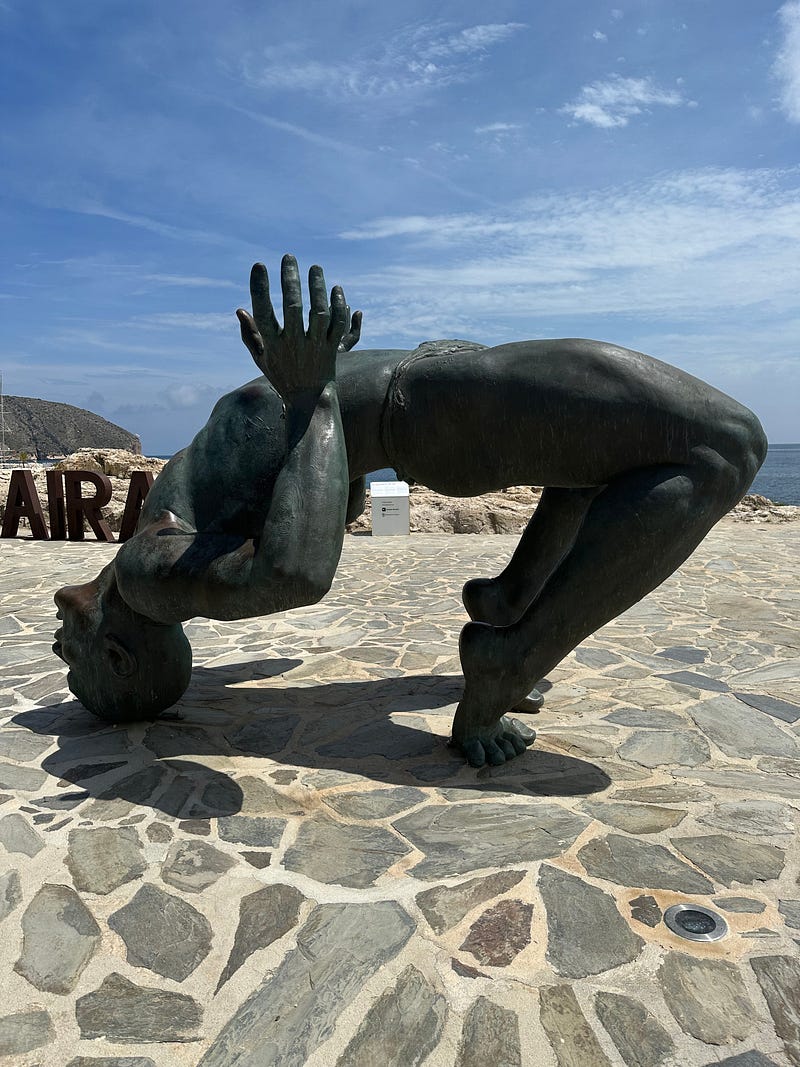
At the edge of the beach, a round watchtower soars, built to protect 16th Century inhabitants from Barbary pirates. Besides it lies a new statue by the Spanish artist duo of Coderch & Malavia titled “Giant of Salt”, celebrating the rebirth of the human spirit after such disasters as the COVID epidemic.
As we depart, Manuel picks some pretty pink flowers in the parking lot and gallantly offers them to the women. Lupe and I appreciate the gesture but they are poisonous oleander and must be tossed.
The next location we visit immediately becomes my favorite in the region. Denia seems to offer everything: beautiful beaches, historical interest, cosmopolitan flair, and it is famous for its food, earning a title of “UNESCO’s Creative City of Gastronomy”.
Denia was named for the Roman goddess Diana and boasts an eleventh-century Moorish castle overlooking the city and an archeological museum.
There are daily ferries to the islands of Ibiza and Mallorca.
Although we are all lavishly housed in Calpe, on a charming pedestrian street Manuel notices a hotel/hostel/restaurant called Loreto, with a stunning statuary-centered courtyard. We enter and speak to the proprietor.
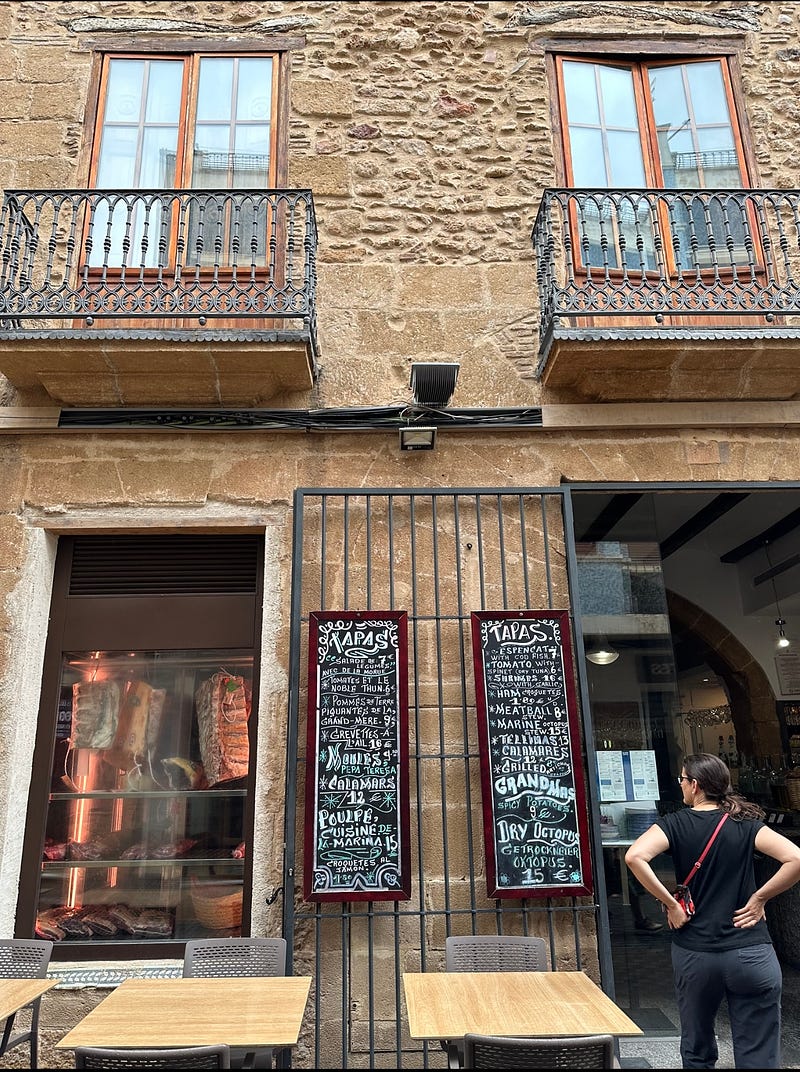
It is a former convent, 450 years old, with 43 well-equipped small rooms.
If friends or readers have the opportunity to visit Denia, I would recommend booking at Loreto, which is very reasonably priced and centrally located.
We pick up flowers, orchids rather than oleander, to take to a new friend of my hosts, a Uganda-raised Indian therapist now living in Denia.
The florist is named Pepe Simo. As I said, Pepe seems to be a hot name in these parts.
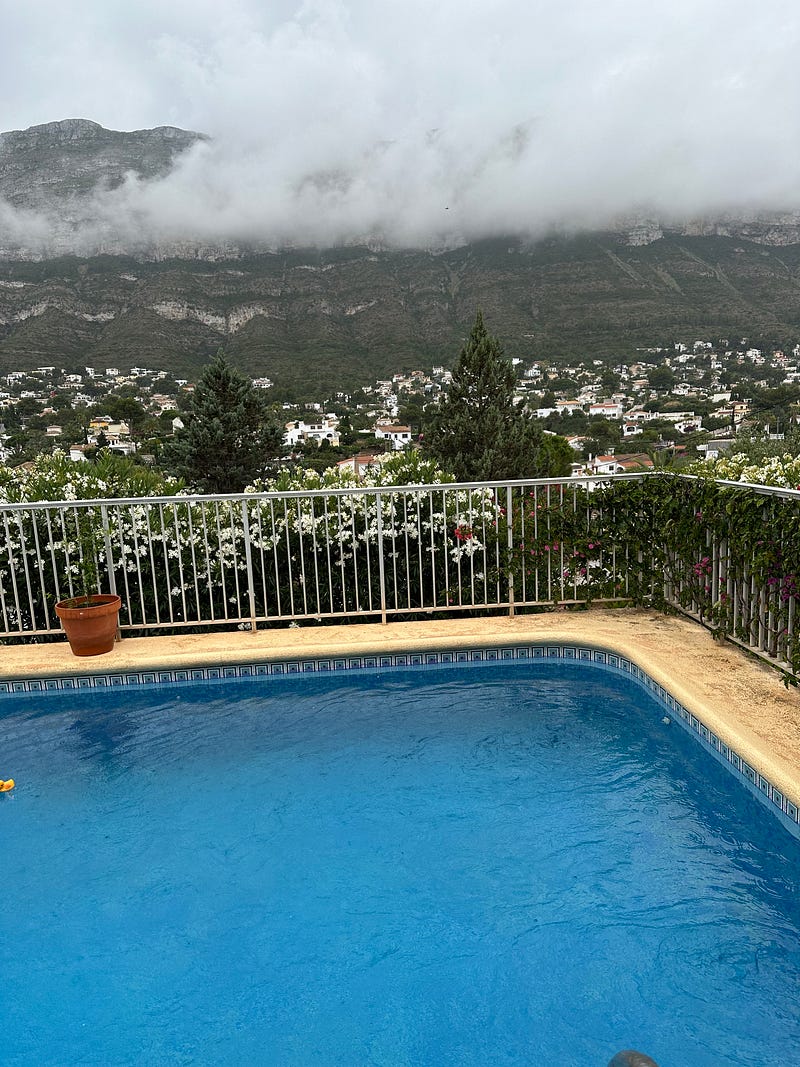
Manuel and Lupe’s friend’s house boasts a magnificent mountain view above her pool. She joins us for a perfect tapas dinner at Movida Denia.
The next day we drive to the expansive vineyard of Pepe Mendoza in Lliber. What’s with all these Pepes? We even meet the charming winemaker Pepe himself. His wife is Pepa.
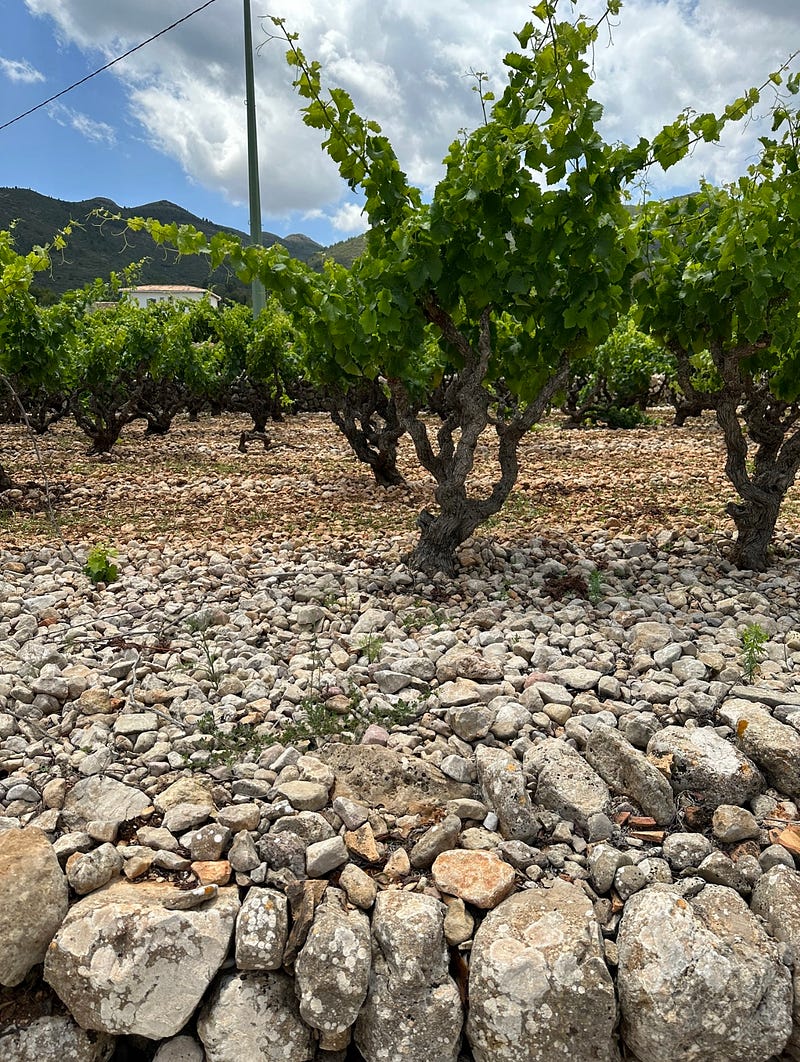
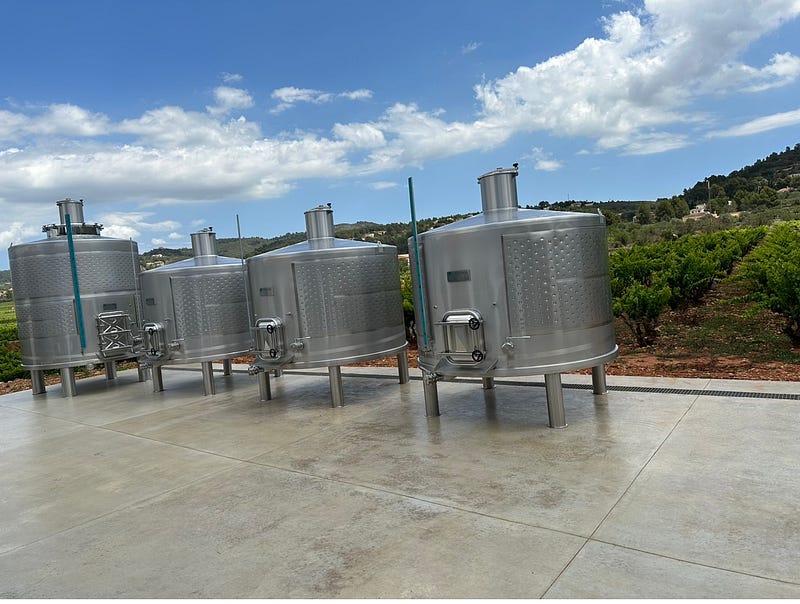
His grapes grow from the rocky terrain and produce bountiful artisanal Muscats, Giros, Monastralls, and Alicante Bouschets. A half dozen varieties of red and white wine ferment in enormous steel vats.
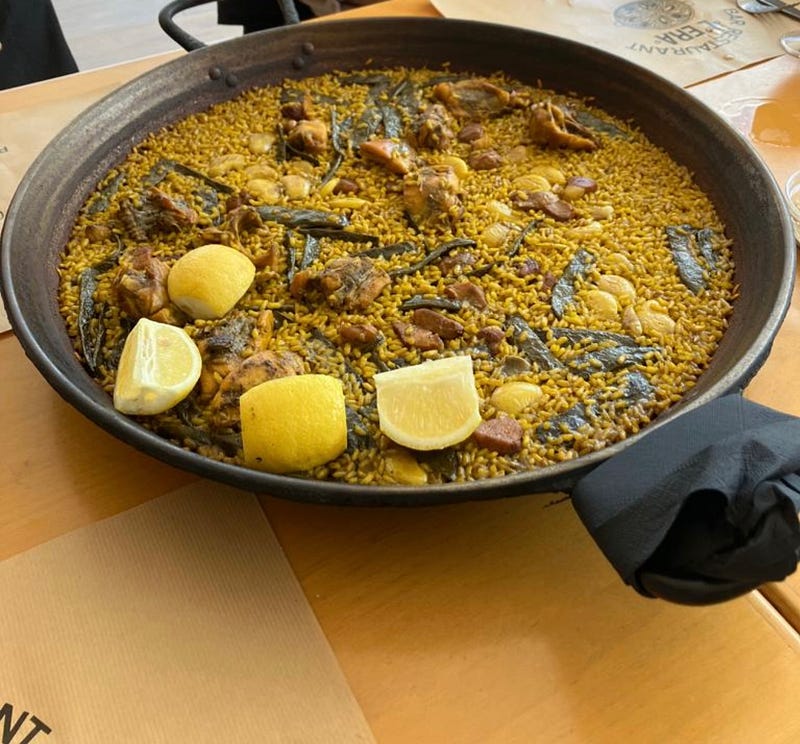
A search for the finest paella in the area leads us to L’Era in the high landlocked village of Parcent where the meat and seafood dishes are created on wood fires in the traditional manner. Lupe and I toast one another with outstanding sangria while the gentlemen resist, sipping Coke Zero.
In Xalo, aka Jalon, we visit a bodega, a wine shop with additional gourmet treats, where people pour wine from enormous casks into their personal multi-liter containers.
This is followed by coffee in Casa Aleluya’s charming garden.
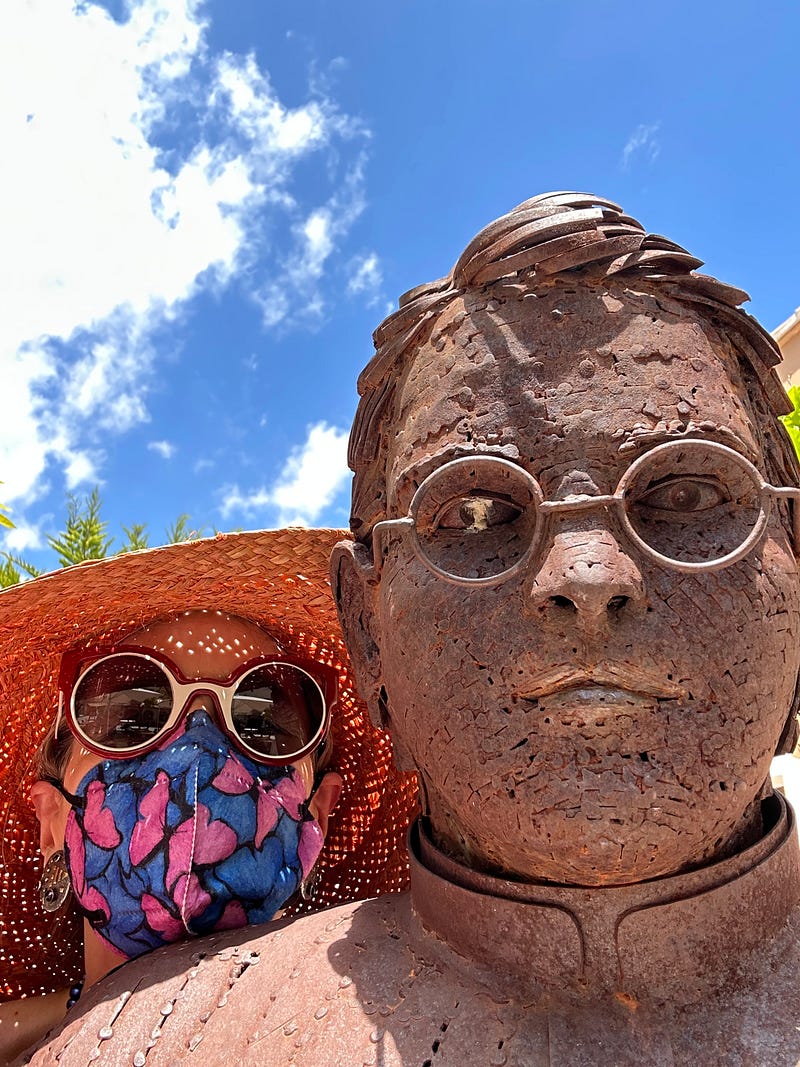
Until now, S.A. and I have only seen the waterfront and newer areas of Calpe. But the following day, we drive up to the old section and wander around parts of a 14th Century wall from when Calpe was a walled city. We enjoy posing with a contemporary sculpture of a bespeckled young man by Georgie Poulariani.
I am seeking the art museum as I have seen a poster indicating a show of the work of the deceased Spanish architect Ricardo Bofill, a favorite of mine, lost to COVID in 2022. Bofill designed several handsome buildings in Calpe. Unfortunately for me, the exhibit doesn’t open until July.
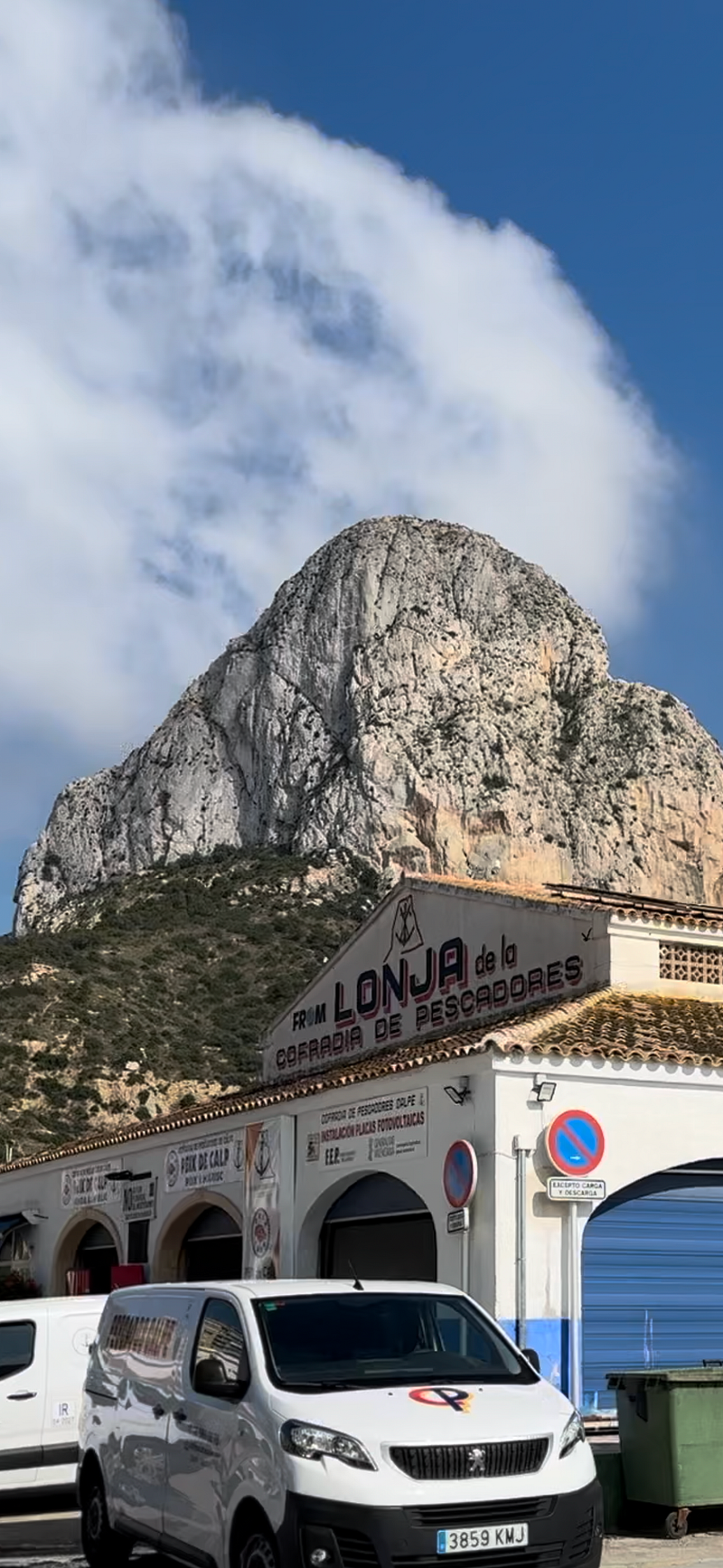
Calpe’s seafood market is located beneath the rock. Fishing boats chug up mid-afternoon and we buy glistening shrimp. We gather some additional foodstuff at Pepe’s supermarket and carry the entire deliciousness home where Manny and S.A. spend an hour deveining the tiny red prawns.
We pass most of our last day in Costa Blanca lounging around the pool. That evening, Manuel drives the winding roads above Calpe’s marina. We dine on the terrace of El Puerto Blanco, a 40-year-old gastronomic gem, with gorgeous views and a superb continental fusion menu that changes each week. Manuel and Lupe introduce us to the impeccable chef/proprietor Patrick Monguette.
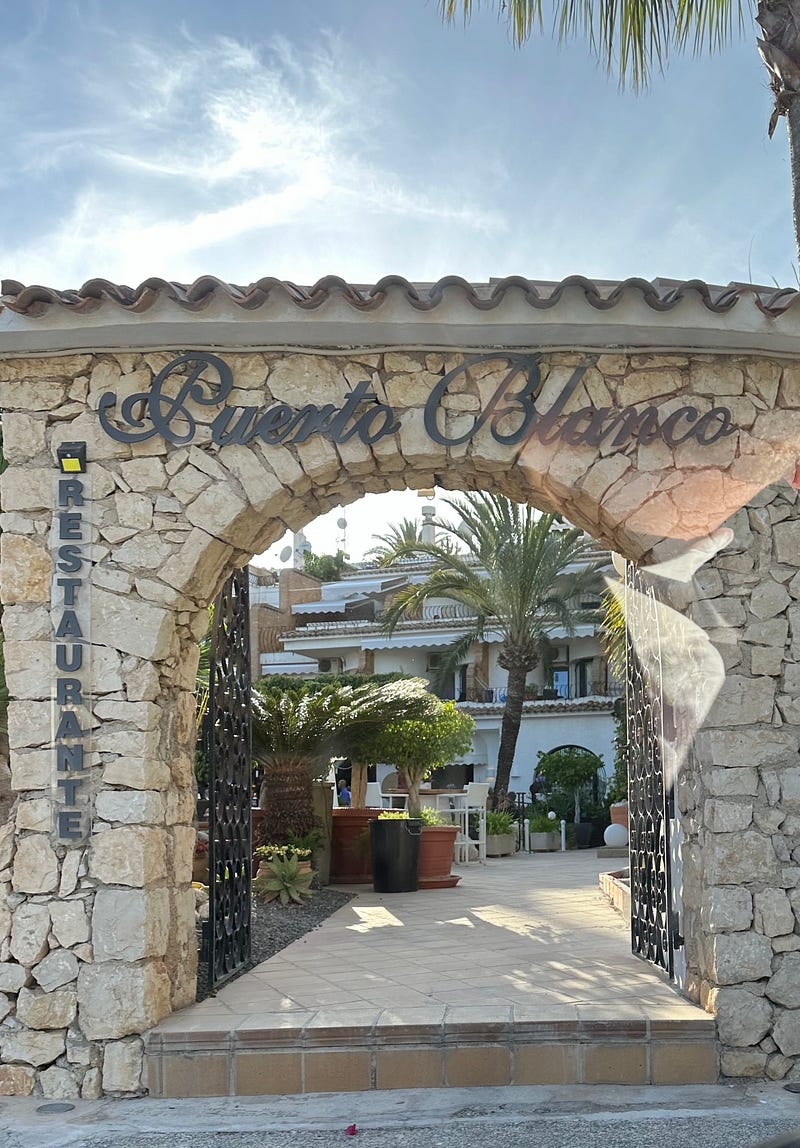
I accidentally leave my wrap in the restaurant. Does that mean I’ll be back? I certainly hope so.
My fine hosts say they will pick up the pink cashmere garment and return it to the States.
Well, I guess that wraps up my wonderful stay in Calpe.
.


