
Space Nursery
A Sci-Fi Story
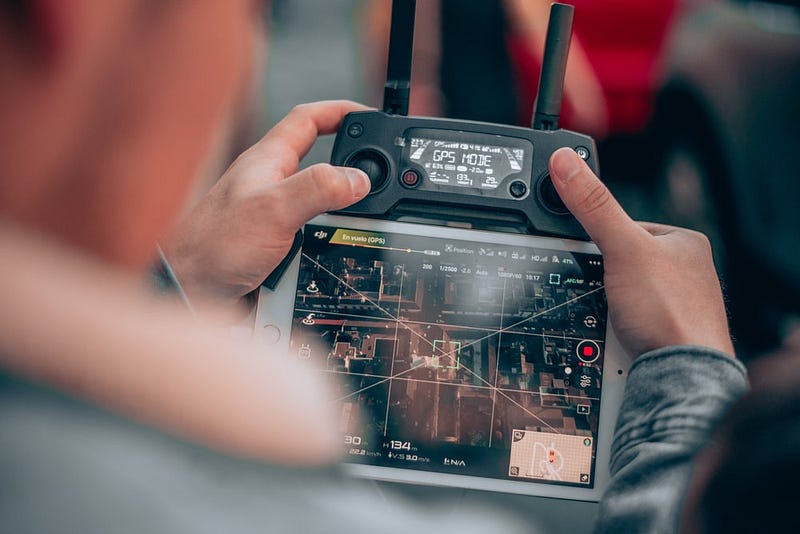
Pilot, please report to the autonomic astronav unit.
Pilot, please report to the autonomic astronav unit.
I waited for Maria longer than usual. She usually would vanish for only minutes at a time, sometimes lingering to play with another one of the children in the nursery, but eventually, she’d always come back to me, at least for a little while.
I haven’t seen her all day, which was strange. Today, I turn six in standard years. The nursery was quiet. I usually play by myself or with Maria when she comes she takes me to sit by the window. She balances me on her lap and sings me the names of all the stars we see swiftly drift by us as the space station spins. I can name them all myself now. It’s my favorite game to play — who can name the stars first. When I win, she gives me a hug and wipes the smudges of chocolate off my chin or shines the metallic patch on my forehead. We laugh together too.
I sat by the window mumbling star names to myself when the pressurized nursery bay doors hissed open. I turned to look. It wasn’t Maria, as I’d hoped. It was the director. She had stern, dark eyes. I had never seen her smile, even though she often spent all day with Maria. Whenever I see her, I turn away, and look out the window, and try not to make a sound. I almost shrieked when she tapped my shoulder.
“Happy birthday,” she said softly. I looked at her. My eyes were wide and guilty. “Come with me, please,” she said. “You’re not in trouble. I promise.”
She took me by the hand. My palms were already sweaty. My hands looked so little in hers. She led me down a long grey tunnel that seemed to wind aimlessly away from the nursery door. I didn’t know this place. I clutched her arm. The world outside the nursery station was monstrously big. Even the windows were bigger. The stars looked further away than I ever imagined. They didn’t have the same familiar spin of the station I knew, and I couldn’t name them all, even as I searched them in my memory base.
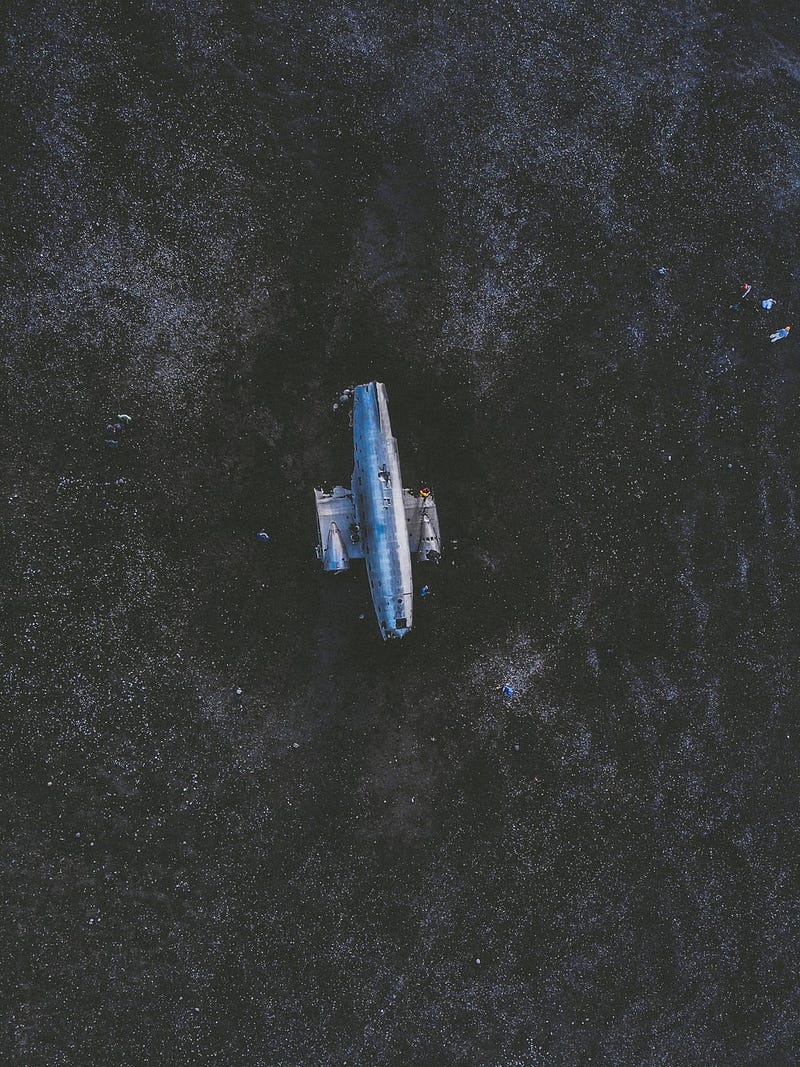
At the end of the cold corridor, the director finally opened the door to a large room enclosed entirely by windows — no walls. I suddenly noticed my memory base console. It had become impossible to ignore the constant relays. It produced a complete astronav report. “I know where we are,” I muttered automatically. The director cracked the slightest smile. “Do you know where we’re going?” she asked. I was surprised to hear the slightest sympathy in her voice. I gave a timid nod. She put a bony hand on my shoulder. “Good. No one knows this place better than you.” She gestured vaguely to the star-freckled blackness all around. She wheeled around and left, leaving me in the star-room all by myself. I already knew what this was.
I used to have a friend. He seemed older than me by a few birthdays, but he would play with me by the window sometimes. We’d sit together and pretend to be light-beams racing through galaxies, transmitting our differential gravity images to one another. We would almost choke on our laughter seeing how twisted a galaxy might look in the other’s eyes when we changed our velocities even slightly. He and I shared the same name — Pilot. One day, the director took him away.
When he came back, he seemed devastated. “If I don’t accelerate soon, I’ll be stuck in this nursery forever,” he said to me on the verge of tears. I was confused by this, and I still am. I preferred the nursery to this place. We didn’t play the light-beam game after that. He only played with the older kids, until one day he left with the director and Maria, and I never saw him return to the nursery station again.
Through the windows, the stars looked very still. The spinning nursery station had drifted away some distance, but I knew it was there. An array of control panels and displays emerged automatically from the floor. My memory base flooded with instructions. I understood the controls as if I always had. The holopanels and instrument consoles that towered above me all over the room must have been mainly for display, or perhaps a backup. I could modulate all of them with my head, just by thinking. Another data message flashed into sight: Pilot, please initiate autonomic astronav protocols — encoding course to Acheron-418c.
A thousand parallel computations sped off in my head, somehow separate and together, like ants on the lunch-bay floor. I wanted to crush them all, all at once. Whatever test this was, I could just fail it, and go back to the nursery and sit and play by the window. I fought to squash all the subroutines that looped in my mind without asking me first. One after the other, the converging optimal-path calculations that crowded my thoughts I whittled to a tolerable murmur. When I did this while playing, Maria or the director came to check on me. Whatever was happening, I could delay. At any moment, someone would come in the door and take me home.
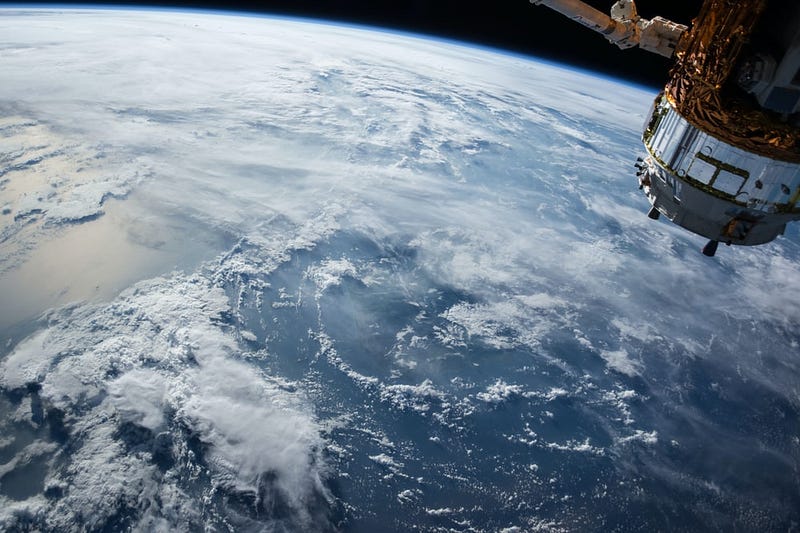
I sometimes wonder about my mind. Maria tells me “Your mind is so wonderful and full of stars, Pilot.” My mind really is so malleable, especially after my memory base was installed. I could memorize a galaxy in an afternoon, sitting on Maria’s lap at the window. Watching the universe spin around us, no part of me felt metallic. I knew where I was. “You’re like a ray of light that became a boy!” she’d say as I recited differential stellar quadrants on her lap. The memory base display on her forehead would blink green when she smiled, matching the color of her eyes. Thinking of that always made me feel safe, even here in the lonely pilot chamber of an interstellar frigate, awash in the glow of endless familiar and unfamiliar stars.
All steadily accelerating.
Soon, I could no longer see stars, only wispy lengths beside me, flashing into view and fading far behind. The world was strange only for a moment until I sensed the unmistakable touch of galaxy-bent space. The computations had stopped. My mind was mine and only mine now. I remembered my idle day playing by the window. It seemed so far away now, and strangely purposeful, as I weaved through starry spirals in wide effortless arcs — blue-shifting starlight, and inky wells of hot gravity. I always knew where we were.
But each moment, we were further and further from the nursery.


