Facts about Space
Space Junk: A Growing Threat to Space Exploration
Humans Have Already Trashed Space with 100 Trillion Pieces of Orbital Debris Threatening the Future of Space Exploration
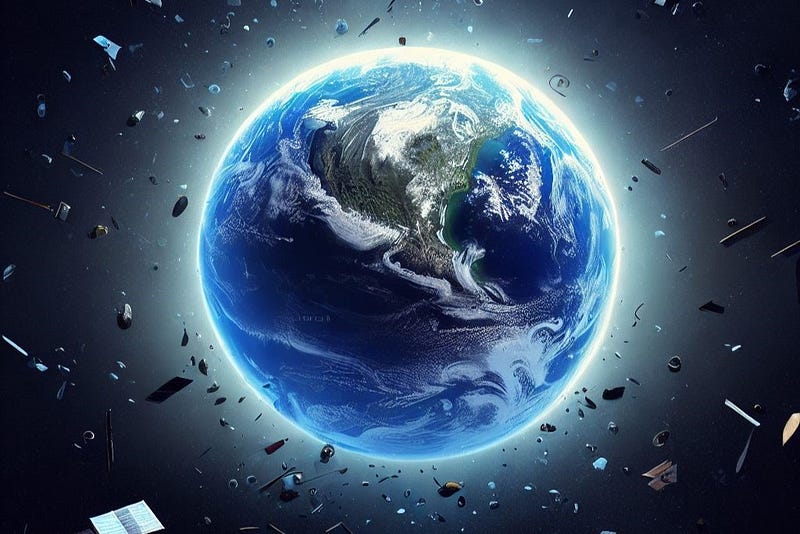
You must have often heard about the Earth’s trash, but have you ever thought about how much trash can be spread by humans in space? Isn’t it a very surprising thing, yes, humans have started to pollute space as well as the earth.
Have you ever wondered where the satellites in space go after they break down? It may come as a surprise to you, but we humans leave these satellites in space without any control.
In this story, I’ll share the details of space trash and how it’s threatening the future of space exploration.
The problem of Space Junk
Every single year Earth’s skies are becoming filled with space junk. It includes broken-up pieces of satellites and rockets that are now orbiting the Earth. There are currently 100 trillion pieces of old satellites in our skies and it’s only the beginning.
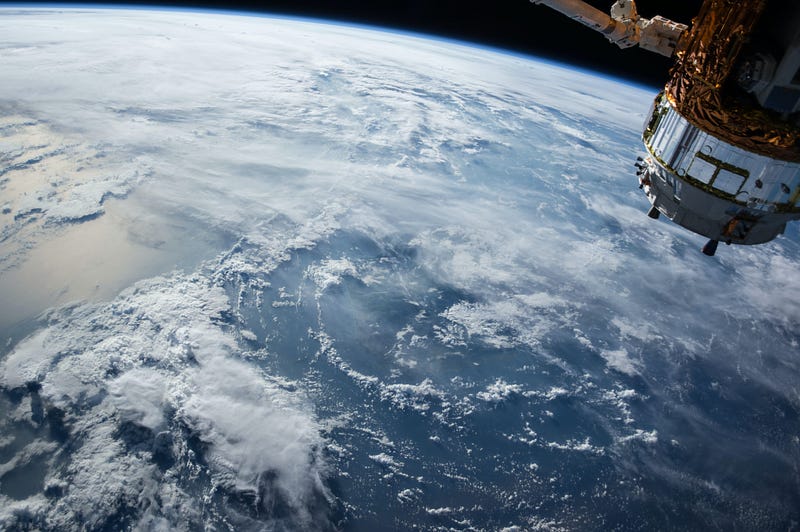
The lower Earth orbit currently has around 10000 satellites today and over the next 7 years, this will likely rise to around 75000. This will cause issues when the satellites are decommissioned and allowed to collide with one another sending debris everywhere.
Just a few days ago the International Space Station (ISS) had to perform evasive maneuvers to dodge (prevent) a piece of space junk from hitting it. Many experts are calling for the treaty right now To prevent space junk from getting worse.
Consequences of Spreading Space Junk
It is obvious that if the ratio of space junk continues, we’ll not be able to continue space missions or space exploration. We will not be able to send any single mission into outer space in the next few years. The possibility of being stranded on Earth if “Kessler syndrome” makes space travel impossible.
The term Kessler Syndrome was introduced by Donald J. Kessler in 1978. He said, “One day, we will be trapped by trash humans sent into space and will not be able to explore any space mission.”
Additionally, he describes a self-sustaining cascading collision of space debris in low Earth orbit that can create another level of casualty. It will definitely trap us.
Call to Action Against Space Junk and Debris
But if we don’t take action right now we could eventually find ourselves being trapped on earth. We will be unable to launch Rockets into space and explore and study space missions without risking a collision.
All Governments should come together to conclude a treaty that ensures that space debris can be reduced and eliminated. Uses expert’s opinions on this behalf and do some necessary actions.
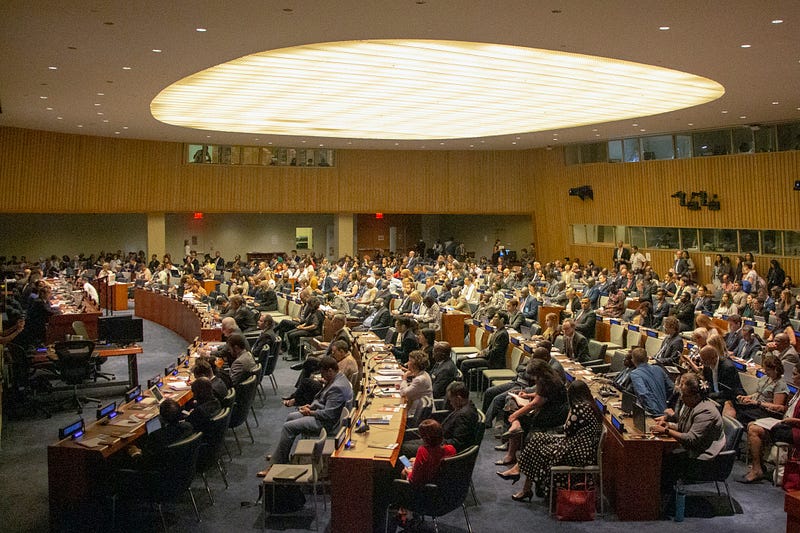
Governments should restrict those companies that are spreading space debris and prepare a universal policy for this. It’ll ensure our space future and keep us safe from space threats.
Final Thoughts
Space junk is a growing crisis. With over 100 trillion pieces of debris already orbiting Earth, collisions are becoming more frequent and threaten vital space activities.
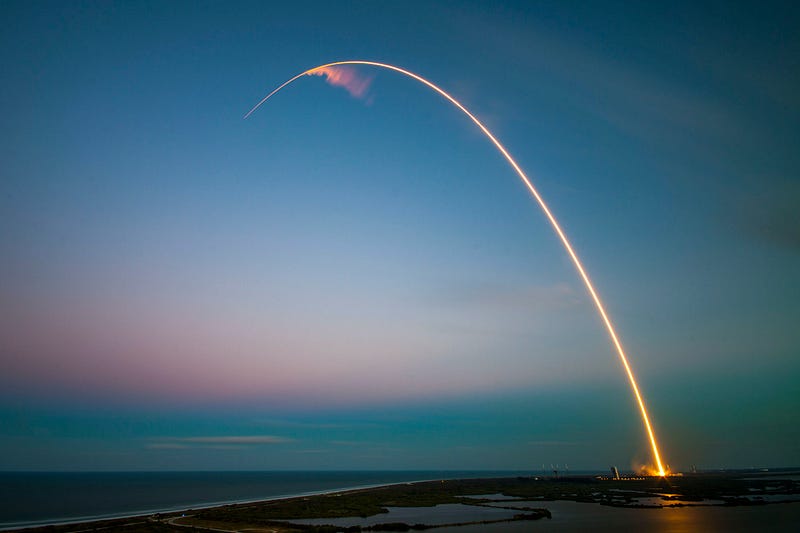
The unchecked proliferation of satellites and space missions has littered orbits with junk. If this continues, a runaway Kessler effect could make space exploration and launches impossible, trapping humanity on Earth.
Binding international policies and cooperation are urgently needed to hold nations and companies accountable for debris. We must confront the space junk problem seriously before escalating collisions that make access to space hazardous and irreparable damage.
I hope you’ll find this story “Interesting and Astonishing”. Subscribe to my newsletter for such interesting and astonishing facts and stories.
“This story is written by M Aslam Waheed. Follow me on LinkedIn, facebook and Twitter.”
You may also like this:


