avatarNancy Blackman

Free AI web copilot to create summaries, insights and extended knowledge, download it at here

469

Abstract

edium=referral&utm_campaign=image&utm_content=650068">Pixabay</a></figcaption></figure><p id="7a9d">The first celebration of New Year’s Day in South Korea is based on the first day of the Gregorian calendar — January 1, which was introduced after the Japanese occupation of the 20th century. This day commemorates a new year by gathering with family and an extensive celebration for everyone’s birthdays, because all Koreans become a year older on January 1.</p

Options

<p id="b461">Food, of course, is the center of all Korean celebrations. On this day, the primary food is Korean rice cakes (tteok 떡), which are long rolls of glutinous rice, sliced into small pieces. The symbolism for length is longevity of life, while stickiness is good health, money, happiness, and good fortune that “sticks” to you in the new year.</p><p id="a6a4">Come back next week for Part 2 and learn about the second New Year celebration.</p></article></body>

South Koreans Celebrate Two New Year’s!

Now You Know…
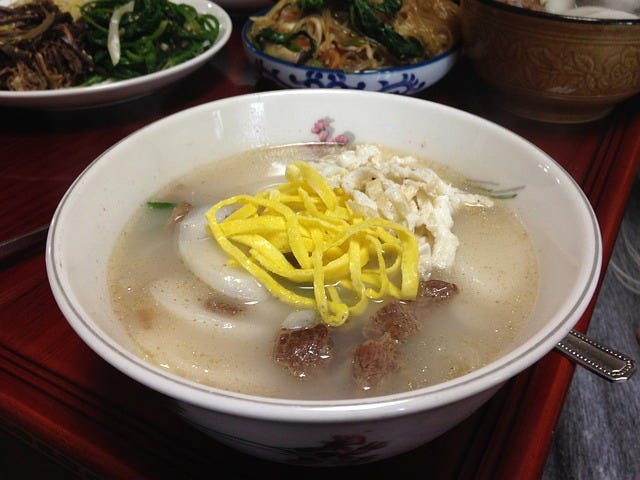
Image by soscs from Pixabay

The first celebration of New Year’s Day in South Korea is based on the first day of the Gregorian calendar — January 1, which was introduced after the Japanese occupation of the 20th century. This day commemorates a new year by gathering with family and an extensive celebration for everyone’s birthdays, because all Koreans become a year older on January 1.

Food, of course, is the center of all Korean celebrations. On this day, the primary food is Korean rice cakes (tteok 떡), which are long rolls of glutinous rice, sliced into small pieces. The symbolism for length is longevity of life, while stickiness is good health, money, happiness, and good fortune that “sticks” to you in the new year.

Come back next week for Part 2 and learn about the second New Year celebration.

Food
The Daily Cuppa
New Year
Korea
Culture
Recommended from ReadMedium