
Sorry, Kamala Harris Won’t Save Black Women
America needs to address its racial history and fear of Black women.
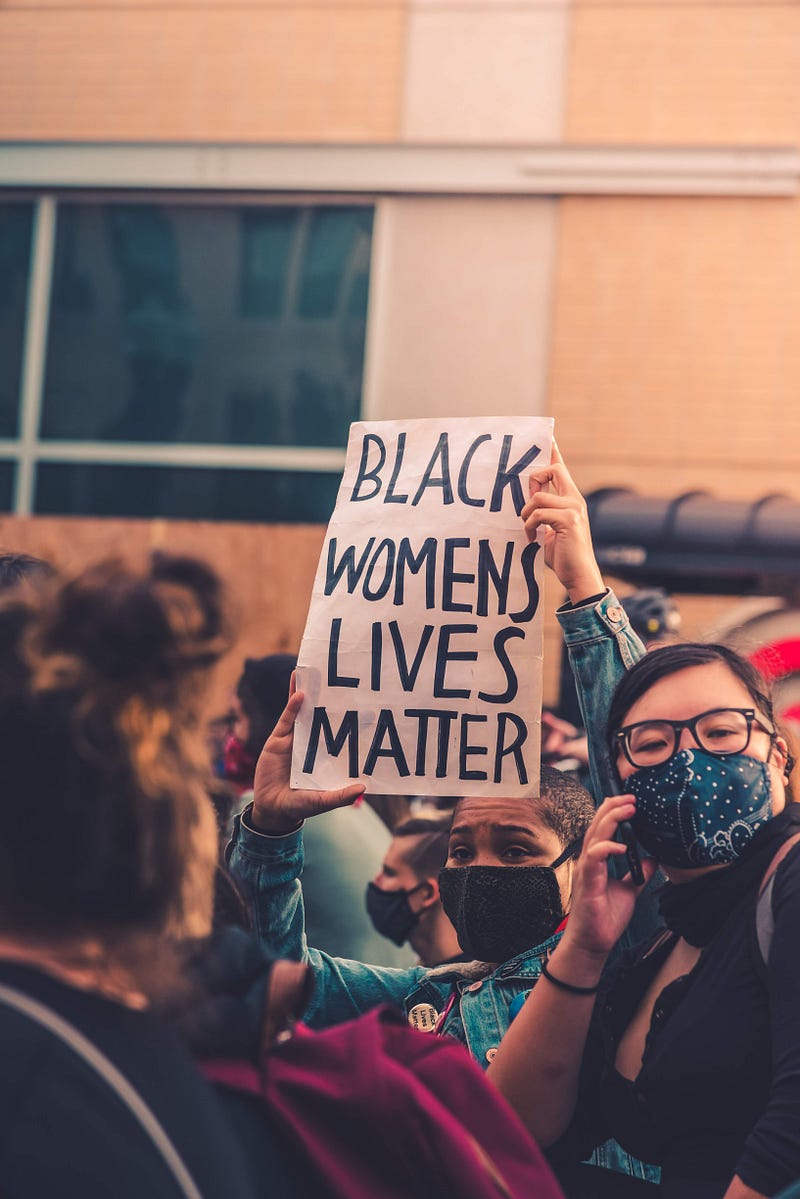
On August 19, 2020, Kamala Harris accepted the Democratic Nomination for Vice President of the United States. She is the first Black woman of Jamaican and Indian ancestry to be on the ticket in November, and I’m not gonna lie. With her selection came tears of joy for some, resistance from others, and unanswered questions. Is she qualified enough? Is she Black enough? Will people actually vote for a Black woman for one of the highest positions in the United States? Will she “save” us?
Well, let me be clear.
Kamala Harris will not “save” Black women.
It’s not her job.
Black women have endured one of the most criminalized, devalued, and feared histories in America. From the “mammy” stereotype during the post-Civil War that showed Black women as uneducated caregivers for white children to calling Black women “welfare queens,” they have lived through a legacy of racism in ways that other women and men of color have not. Black women are more than stereotyped — they are feared. Kamala Harris will have to push against what America’s racial history has told us about its support of Black women — that it simply doesn’t exist.
Let me start here. Before BlackLivesMatter Black women have always been at the forefront of social and political change. In 1861 there was Harriet Jacobs who wrote Incidents in the Life of a Slave Girl describing how Black women slaves fought for racial and gender equality to reach freedom. Ida B. Wells was an anti-lynching civil rights icon in the 1890s who knew that justice could not be obtained unless it included Black women. Mary Jane McLeod Bethune founded the National Council for Negro Women during a time that Black women continued to be disenfranchised in 1935. In 1968 Shirley Chisholm became the first African American woman elected to Congress. During her bid, she said, “if they don’t give you a seat at the table then bring a folding chair”.
But as we have seen throughout history — Black women have been bringing chairs, sofas, sleeping bags, and tents for hundreds of years. Black women are still fighting for a seat at the table that was never made to include them in the first place. When they speak their mind then they are angry. When they wear braids and natural hairstyles then they are unprofessional. When they are simply being Black women then we are looked down on for being themselves. Despite this, Black women continue to show up and try to lead this country to a higher standard of humanity and love.
Still, many of them are left unprotected. In 2018 Black women accounted for 13.7% of the United States population yet make up 29% of women in prisons and county jails. Our babies are 3 times more likely to die when there is a white doctor than a Black one in the room. With employment, Black women receive 62 cents on the dollar when compared to white males. Disparities still exist for Black women in almost every segment of society. Yes, Black women are out here doing the best we can, but we can hit roadblocks. After all that Black women have done for this country who is coming to the aid of Black women?
Well, first let me say that Black women have always “saved” themselves. The 19th amendment gave women the right to vote but Black women were not given that right. Groups like the National Association of Colored Women were led by Black women and they worked to provide voting rights to Black women. Even now with the election of Atlanta Mayor Keisha Lance Bottoms and Congresswoman Ayanna Pressley, we see that Black women are making themselves known in ways that we have never seen before. The rise of the #SayHerName movement has brought needed public attention to Black women who are being wrongfully killed by police. But we still see injustices occur, and Black women continue to pay the price.
So, when Black women demand justice just know that it has been long overdue. Black women are saving themselves, their children, their communities, and their memories. Centries of Black women who came before Kamala Harris have paved the way for her name to be on that ticket. But it won’t be easy.
Black women’s issues must be on the ballot. Not just Kamala Harris’ name. Both the President and Vice-President have to understand the issues that Black women face and use what they say to make actual changes. Yes, we need to #SayHerName when Black women experience police brutality, and we also need to value and see Black women while they are still alive.
This means that whoever is in the White House needs to speak to Black women. Not at them. Know that Black women are tired of saving everybody, and getting nothing in return.
So, no. Kamala Harris.
Won’t.
Save.
Nobody.
Yes, she can advocate for Black women.
But America needs to do the work.