
Sony’s Sales Pitch for the PSVR2 has been Underwhelming
We’re two months out from the launch of PlayStation VR 2 and Sony has some work to do. Well, they actually have a lot of work to do.
The hefty price tag of $549 USD for the base model and $599 USD for the Horizon: Call of the Mountain bundle has been a point of concern amongst PlayStation fans since preorders went live in November.
Hardware Isn’t the Problem
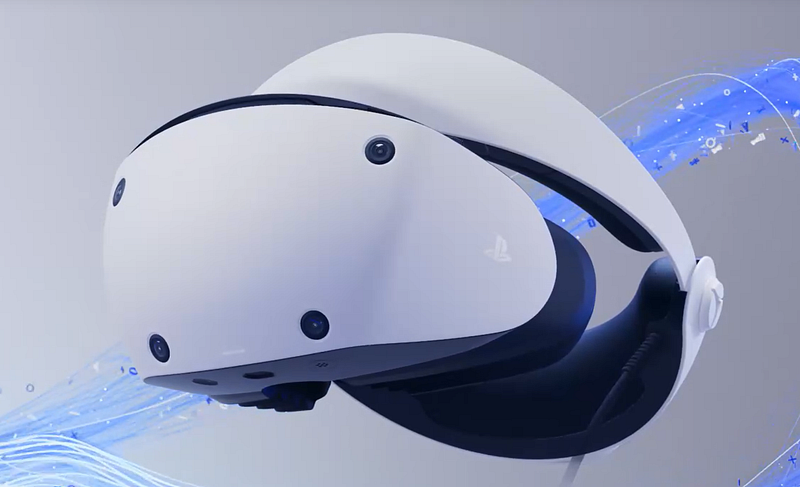
The technology behind the PSVR2 is a notable upgrade over the original released for the PlayStation 4 back in 2016.
The new headset, exclusive to the PlayStation 5, features inside-out tracking. This means you no longer need to maintain a line-of-sight with an external camera. All tracking is handled by the headset itself.
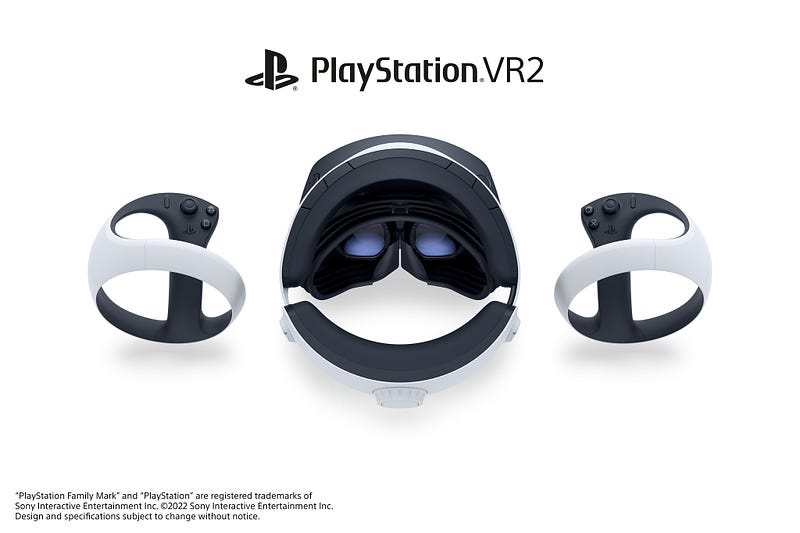
Pixel per eye has been improved, now featuring a resolution of 2000×2040 compared to the 960×1080 of the original. This is even higher than high-end PC Gaming VR options like the Valve Index.
The most impressive feature of the PSVR2, and something not found amongst most contemporary headsets, is eye-tracking. This will allow Sony’s headset to use the movement of your eye as an additional input method. Imagine being able to navigate a menu simply by moving your eyes toward the option you want to select. A more advanced use for this could be aiming with your eyes in a first-person shooter.
A Vastly Improved Control Method
In 2016, with the launch of the original PlayStation VR, Sony opted to lean on their PlayStation Move controller as the primary virtual reality input method. PlayStation Move technology was already 6 years old by the time it was re-purposed for the PSVR. While it was a serviceable option, it started to show its age when competitors like Meta (Oculus at the time) and Valve were releasing far more appropriate solutions. PlayStation Move pointer controls looked archaic compared to the Oculus Touch, which could emulate some individual finger movement.
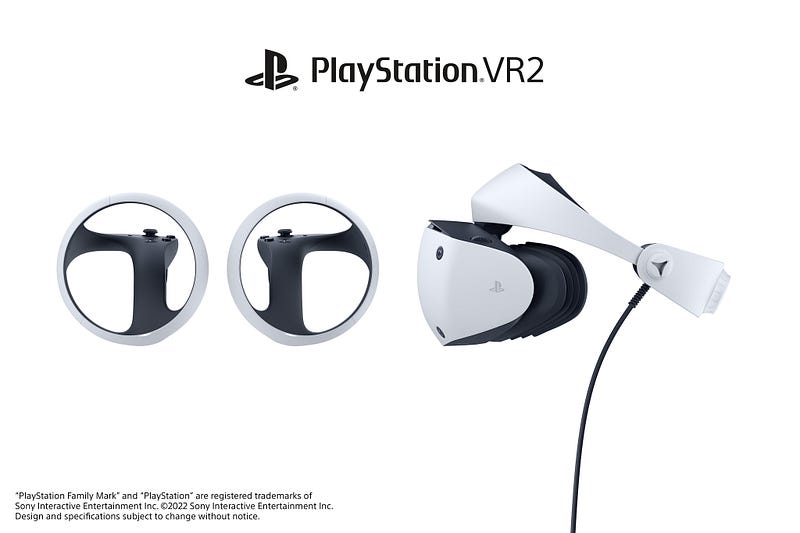
Thankfully, for PSVR2 Sony has built new controllers from the ground up that are designed for virtual reality. The design is like the type of controllers that come with the Meta Quest 2, but with some Sony-exclusive bells and whistles under the hood. These controllers will feature similar haptic feedback and adaptive trigger capabilities that are already found in Sony’s DualSense.
Software Leaves a lot to be Desired
On the surface, the PSVR2 launch lineup looks impressive. As of right now, there are 30 games announced for launch. Some of these are new releases for Sony’s headset, while others are upgrades of software that was previously designed to work with the original PlayStation VR.
One point of frustration that some have with the PSVR2 is that it isn’t backward compatible with PSVR1 software. While those frustrations are understandable, the leap in technology between the two units, especially when it comes to input methods and tracking, appears to justify the sacrifice.
Launching with 30 games may look impressive but dig a little deeper and the software options leave a lot to be desired.
Out of the 30 launch games, a whopping 19 of them are available for existing platforms like Meta Quest 2. Sure, it’s understandable that some of the launch lineups is going to be padded out by existing software, but it’s the fact that most of this content can already run on dated, far cheaper, hardware that is concerning.
The Meta Quest 2 is already two years old and is running on a Qualcomm Snapdragon XR2 chip that dates back to 2019. The Meta Quest 2 hardware isn’t even capable of handling many of the games released on the original PSVR.
Sony’s hardware justifies the price, but when its software is comprised heavily of content that can run on a far cheaper VR solution like the Meta Quest 2, it’s hard to get excited about dropping $600 on a PSVR2.
We want to be excited about PSVR2. The hardware specs for the device pique our interest. The problem is that the vast amount of launch software won’t be taking advantage of it.
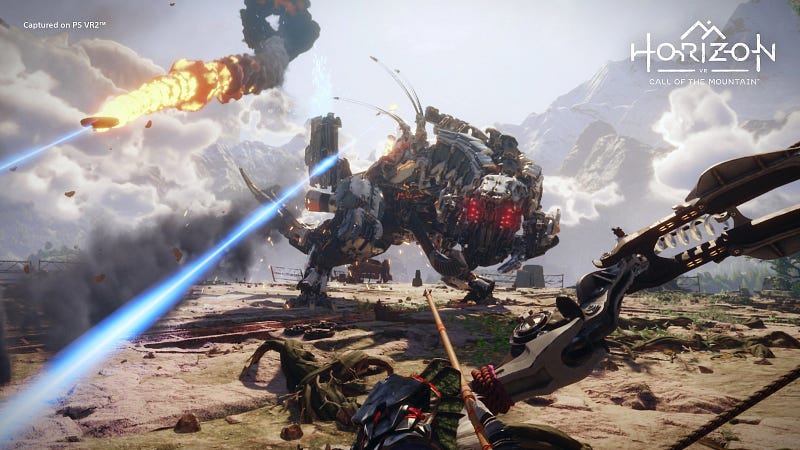
We’re holding out hope that some of the more premium software available at launch will take advantage of the more exciting features of the device. With Horizon: Call of the Mountain being featured as a pack-in title for the bundled SKU, we expect that to be a full-featured experience.
Other options at launch like Resident Evil 8 and No Man’s Sky could potentially act as showcase titles for the PSVR2 launch.
The rest is a mishmash of the aforementioned Meta Quest 2 ports, existing PSVR software receiving a day-one upgrade, or exclusive titles. Fantavision 202X could be a surprise hit and we’d love to see more of Engram.
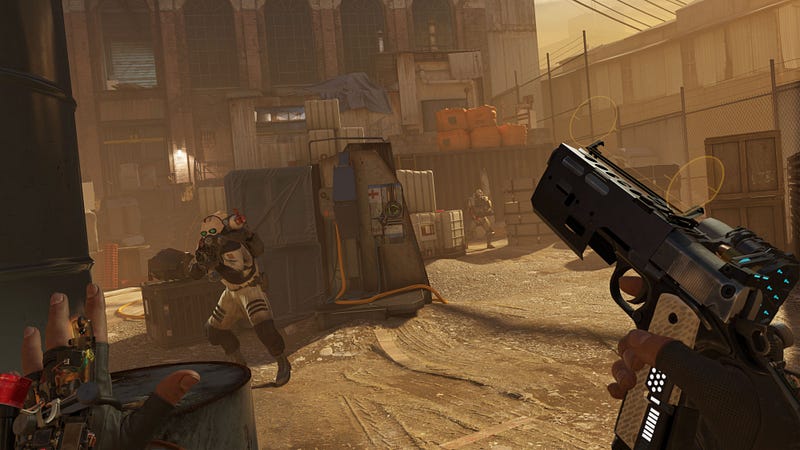
The big game everyone is waiting for is Valve’s Half-Life: Alyx. This pseudo-sequel to Half-Life 2 is the most requested title for the PSVR2, but so far there hasn’t been any word on whether it will be released for Sony’s new headset.
A Half-Life: Alyx announcement would change a lot of minds when it comes to the PSVR2. It’s an experience that is currently exclusive to relatively high-end PCs. Bringing that experience to the home console market would change the conversation around the PSVR2 overnight.
PSVR2 at CES
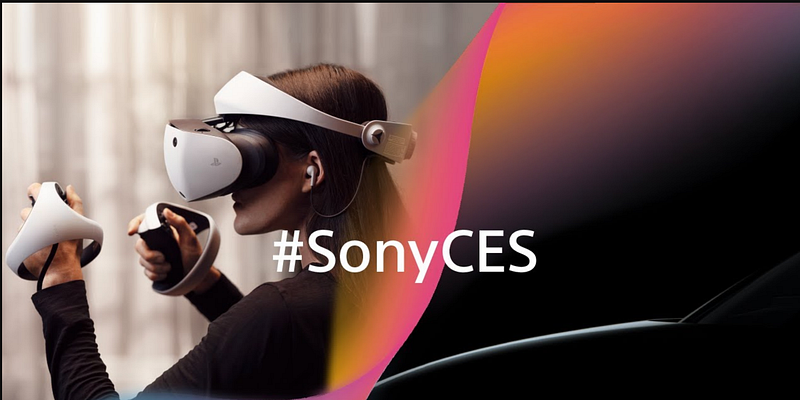
Sony’s thumbnail image for their January 4th, 2023 CES panel features the PSVR2. This gives us hope that they will have something new and exciting to announce. We won’t hold our breath for a Half-Life: Alyx announcement for the PSVR2 launch, but this is their opportunity to course-correct their current sales pitch and get us excited.
PSVR2 launches on February 22nd, 2023. It stands to reason that Sony has already shown us the best they have to offer at launch. An extended look at the 2023 slate of releases, one that features a more impressive selection than Meta Quest 2 ports, would go a long way to justifying a purchase at this point.
The key is going to be getting developers excited enough to build experiences that take advantage of the hardware. For that to happen Sony will need to sell PSVR2 units to justify future development costs. The best we can hope for right now is some competent PC-VR ports that can be modified to take advantage of PSVR2 features like eye-tracking and DualSense compatibility.
Most of the heavy hitters developing VR games are designing them for the platform with the most active users. That is currently the Meta Quest 2. Hence the reason that so much of the launch lineup is software ported from that platform.
The PSVR2 is a platform we want to be excited about. The hardware justifies that excitement, but the software leaves a lot to be desired. Hopefully, CES will change things. Until then, we’re still clinging to our PSVR2 preorder.