Summary
"Songs of Sinners" is a poem reflecting on loss, faith, and the human condition.
Abstract
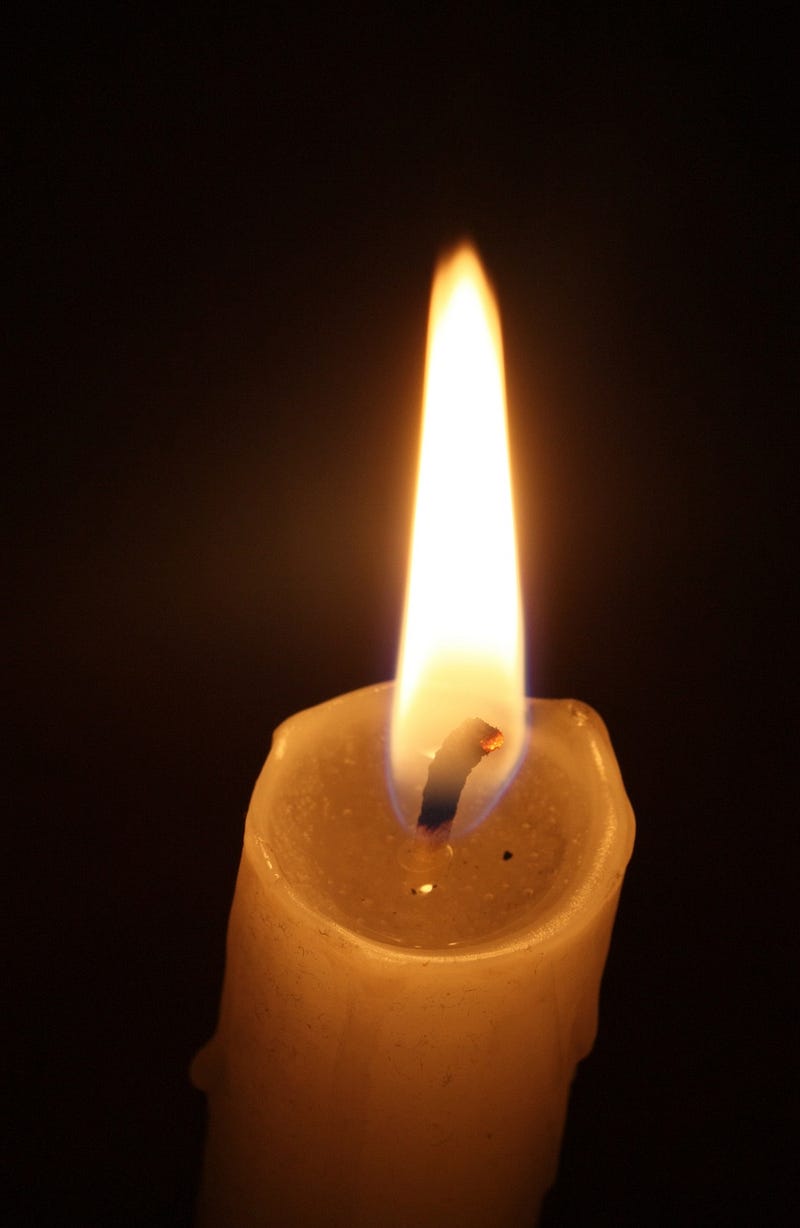
The poem "Songs of Sinners" delves into the depths of the speaker's emotional turmoil, as they grapple with the loss of a loved woman and the existential questions that arise from it. The flickering candle serves as a metaphor for the fragile hope and the pain that travels through the speaker's veins, symbolizing the struggle with faith and the confrontation with doubt. The poem portrays a vivid image of despair, with the speaker crying themselves to sleep and listening to the 'songs of sinners,' suggesting a sense of shared human vulnerability and the search for meaning in the face of suffering. The work concludes with a poignant question about the nature of humanity, likening people to sheep on the way to slaughter, and pondering why we must hide in shame.
Opinions
- The speaker questions the basis of belief and the tendency to doubt, implying a critique of blind faith and the human inclination to disbelieve what is intangible.
- There is a sense of hopelessness and despair in the face of lost love, indicating the profound impact that personal relationships have on an individual's worldview.
- The reference to 'songs of sinners' suggests a judgment on societal norms and the idea that individuals find solace or expression in acts that are traditionally deemed sinful or shameful.
- The poem conveys a strong sense of human solidarity in suffering, as the speaker identifies with the broader human experience of pain and the search for redemption.
- The author implicitly challenges the notion of shame and the reasons behind why humans feel compelled to conceal their true selves or emotions.