
Some Effects Sugar Has On The Body
Things You Should Know
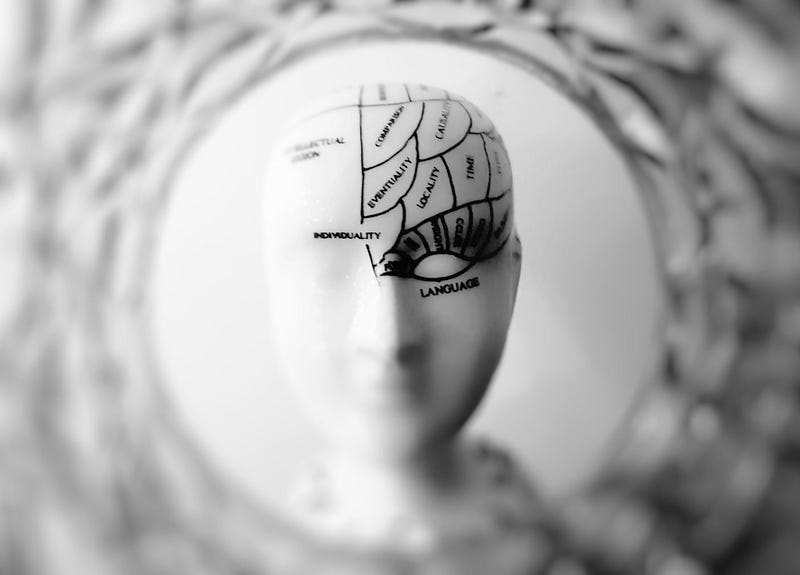
It’s in your cabinets, in your fridge. and, of course, given the pint of Ben & Jerry’s, in your freezer too. Sugar gets a bad rap, but the truth is that it’s a vital source of energy and essential to our survival. Of course, not all sugars are the same. Fructose found in fruits and vegetables and lactose in dairy-rich foods is natural sugars we don’t have to be as concerned about.
No Breakfast
People who do not take breakfast are going to have a lower blood sugar levels. This leads to an insufficient supply of nutrients to the brain causing brain degeneration. Your metabolism can slow down if you don’t eat shortly after waking because the body sends a message to the brain to conserve fats and energy until fed A decline in brain excitability, the emergence of a slow response, and a reduction in attention. Increased cortisol (Cortisol is a steroid hormone released in response to stress) in the body can lead to a slew of negative effects, including weight gain, immune system suppression, increased disease risk, and blood sugar imbalances stated by Healthdirect.gov and TodaysDietitian.com.
Smoking
It causes multiple brain shrinkages and may lead to Alzheimer’s disease says Alzheimers.org.uk and Sciencedaily.com news. The brain reduces acetylcholine receptors to compensate for the increased signaling activity. Brain size and volume are associated with higher intelligence and better cognitive functioning. According to a 2017 study, the longer you smoke, the more your brain loses volume with vital tissues shriveling up, not to mention an increased risk of stroke and brain cancer.
High Sugar Consumption
Too much sugar will interrupt the absorption of proteins and nutrients causing malnutrition and may interfere with brain development. A lack of sugar means communication between these imperative cells breaks down, and cognitive function is impacted. It can also cause hypoglycemia, a complication of diabetes caused by low glucose levels. A serious case of brain fog sets in, you fumble for words, you forget where you put down your phone, you look for a place to curl up for a quick nap, also if you eat a lot of refined sugar you can do just as much damage to your liver. High-sugar foods can lead to obesity. Refined sugar causes wrinkles by reducing the elasticity of your skin.
Lacking in stimulating thoughts
Thinking is the best way to train our brain, lacking brain stimulation thoughts may cause brain shrinkage. When you think about how important it is to take in new information and solve problems at work, this could upset your performance. Our bodies utilize two key chemicals to keep our emotions in check: vitamin B and chromium. Unfortunately, high sugar levels can block these naturally balancing chemicals and lead to uncharacteristic outbursts of irritability and aggression, As well as affecting our cognitive performance, it’s thought that sugar can also block our memory receptors.
Sleep Deprivation
The brain is the largest oxygen consumer in our body. Inhaling polluted air decreases the supply of oxygen to the brain, decreasing brain efficiency. People who have diets high in sugar tend to sleep less deeply and display greater restlessness at night. Sugar uses up a lot of magnesium, which you need for sleep. You should avoid late-night chocolate, which contains caffeine and other stimulants. A lack of sleep has been linked to our increasing hunger hormone ghrelin and our stress hormone cortisol, which are both associated with increasing our desire to eat unhealthy foods. Eating sugar activates the brain’s reward circuitry and a complex web of hormones related to hunger and metabolism. (The truth is, sugar is such a powerful trigger that even catching sight of a sugary treat is enough to stimulate the brain’s reward system, studies from the University of Gothenburg in Sweden posted by the Scientific American Newsletter show.)
Overreacting
It causes the hardening of the brain arteries, leading to a decrease in mental power which is stated by The Mayo Clinic and WebMD. When you eat, your pancreas pumps out insulin. But if you’re eating way too much sugar and your body stops responding properly to insulin, your pancreas starts pumping out even more insulin. Eventually, your overworked pancreas will break down and your blood sugar levels will rise, setting you up for type 2 diabetes and heart disease. The kidneys play an important role in filtering your blood. Once blood sugar levels reach a certain amount, the kidneys start to release excess sugar into your urine. If left uncontrolled, diabetes can damage the kidneys, which prevents them from doing their job of filtering out waste in your blood. This can lead to kidney failure.
Your Sexual Health
You may want to skip the dessert on date night. Sugar may impact the chain of events needed for an erection. One common side effect of chronically high levels of sugar in the bloodstream is that it can make men impotent. This is because it affects your circulatory system, which controls the blood flow throughout your body and needs to be working properly to get and keep an erection. High sugar levels frequently cause vaginal dryness. This not only decreases pleasure but can also cause intercourse to be painful. Lower your sugar intake and pick up an all-natural lubricant — make sure it’s sugar-free! High sugar levels create the perfect environment for yeast and bacteria to breathe. An itchy, uncomfortable, painful infection is a sure-fire libido killer. High sugar intake also significantly increases the risk of developing a urinary tract infection or bladder infection.
Tiny little blood vessels feed your erogenous zones — especially your clitoris. Without adequate blood flow, erogenous nerves do not receive the nutrition or oxygen needed to function. In women, circulation damage can impair the ability to feel intimate pleasure and increase vaginal dryness. In men, circulation damage can cause erectile dysfunction.
Cavities
The bacteria in our mouths like to feed on simple sugars, so if your dentist is finding more cavities, or if you’ve been diagnosed with gum disease, it could be that you’re eating too much added sugar Although cutting back on added sugars is a good idea, if you’re going to consume a high-sugar food, swish water around your mouth afterward or eat it with foods like carrots or milk, which protect the teeth and provide a coating.
In Conclusion
While it’s simply not realistic to avoid all added sugars in your diet, it’s a good idea to read labels. People can reduce their sugar intake by knowing what to look for on food labels, avoiding or reducing common sources of sugar, such as soda and cereals, and prioritizing unprocessed whole foods. Everyone should keep in mind what they eat and just in moderation. Stay healthy everyone until next time.


