avatarVijay

Free AI web copilot to create summaries, insights and extended knowledge, download it at here

2749

Abstract

/figcaption></figure><figure id="66e4"><img src="https://cdn-images-1.readmedium.com/v2/resize:fit:800/1*ex4lgvQr1aFawIVEfI___w.png"><figcaption>Fig 3. Average Annual Traffic Flow Data for Each Day</figcaption></figure><figure id="1257"><img src="https://cdn-images-1.readmedium.com/v2/resize:fit:800/1*ob8BXlFfKoUTTI0GZERV5w.png"><figcaption>Fig 4. Average Annual Traffic Flow Data for Different Days</figcaption></figure><figure id="c10b"><img src="https://cdn-images-1.readmedium.com/v2/resize:fit:800/1*CJnoDDsT_UEGOetN9cS2ew.png"><figcaption>Fig 5. Monthly Average Annual Traffic Flow Data</figcaption></figure><figure id="e938"><img src="https://cdn-images-1.readmedium.com/v2/resize:fit:800/1*UbfEK-MtBLDjnbUwD8dPGg.png"><figcaption>Fig 6. Monthly Average Annual Traffic Flow Data</figcaption></figure><figure id="22cc"><img src="https://cdn-images-1.readmedium.com/v2/resize:fit:800/1*SfPFq9nOVT7SGh6MBnLauw.png"><figcaption>Fig 7. Average Annual Traffic Flow Data for Distinct Months</figcaption></figure><h2 id="ea1c">Key Findings from the Data:</h2><ul><li><i>Traffic volume increases steadily over the years as the population grows.</i></li><li><i>Weekday rush hour starts around noon and ends around 4pm</i></li><li><i>Fridays have the most traffic of any weekday.</i></li><li><i>Weekends have less traffic than weekdays.</i></li><li><i>Traffic peaks in August and drops off towards December.</i></li></ul><p id="4381">We learned a lot about how traffic moves through this research. There were patterns that showed up for certain months, times of the day, and even days of the week. This helped us learn more about how traffic works.</p><h2 id="0c51">Designing an Effective Model</h2><p id="21c3">It was very important to choose the right machine learning method. Fuzzy logic became a strong way to deal with the unknowns that come with travel data. Fuzzy logic looks at traffic as ranges, not binary yes/no. This handles the uncertainty and imprecision of real-world data. Our model predicts likely congestion levels on different roads based on time of day, day of week, weather, and other factors. This let us make a model that could change with the times and give us accurate predictions about traffic jams.</p><figure id="1ee9"><img src="https://cdn-images-1.readmedium.com/v2/resize:fit:800/1*Je8tBVqk8U4Ikxfaoh2mAg.jpeg"><figcaption></figcaption></figure><h2 id="41af">Results and significance</h2><p id="e7b4">In testing, our model achieved 93% accuracy in predicting traffic jams. This could help drivers choose less crowded routes. It could also optimize traffic light patterns to improve flow. This demonstrates AI’s potential to optimize routes and traffic signals, adapting in smart ways to keep vehicles flowing smoothly. O

Options

ur data-driven fuzzy logic method provides a promising roadmap for using AI to ease frustrations and cut commute times in congested cities worldwide.</p><figure id="34c9"><img src="https://cdn-images-1.readmedium.com/v2/resize:fit:800/1*-T-QDFKzuG-agTF4Nd7Z9w.png"><figcaption>Accuracy Table</figcaption></figure><h2 id="df5d">Real-World Impact</h2><p id="bad5">Implementing our fuzzy logic-based method into action could completely change how traffic is managed in places all over the world. By giving correct, real-time knowledge about traffic jams, we can greatly cut down on the following:</p><ul><li><i>Reduced driver frustration</i></li><li><i>Lower carbon emissions</i></li><li><i>Improved flow for emergency vehicles</i></li></ul><h2 id="5ac2">To the Rescue, AI — But Not Without Obstacles</h2><p id="749b">While promising, our model has limitations. It depends a lot on having access to reliable and regular data sources. Unexpected events or changes in traffic trends may also make the model’s estimates look wrong.</p><h2 id="801d">Key Takeaways</h2><ul><li><i>AI reveals traffic patterns and brings smarter optimization.</i></li><li><i>With more data and development, AI could smooth traffic flow.</i></li><li><i>provides a roadmap to ease traffic with AI optimizations.</i></li><li><i>This research applies AI to reduce the frustration of rush hour.</i></li><li><i>Congestion doesn’t have to be inevitable—AI can help.</i></li></ul><p id="4515">If an individual wants to learn more, they can click on the link to view the full written paper. <a href="https://ieeexplore.ieee.org/document/9985724/authors#authors">https://ieeexplore.ieee.org/document/9985724/authors#authors</a></p><h1 id="0df1">Questions to Think About</h1><ol><li>How could we use virtual reality to test different traffic jam scenarios before trying them on real roads?</li><li>What partnerships between city planners, traffic bosses, ride-sharing companies, and map apps like Waze do we need to share data and combine models?</li><li>How can we make the AI system watch traffic over time and change itself to match new patterns and driver habits?</li><li>Could we reduce jams by giving businesses incentives to have work hours match when the model says traffic will be better?</li><li>What creative displays could show predicted traffic levels, best routes, and trip times to regular people?</li><li>How do we balance smoothing traffic flow and cutting emissions? Might shortcuts mean more pollution in some areas?</li></ol><p id="c8a3">🌟📝 If you enjoyed this article, feel free to follow me on Medium for more in-depth tech analyses and insights 🕵️‍♂️💡. Stay tuned for more cutting-edge discussions and breakthroughs in technology! 🚀🔍👩‍💻</p></article></body>

🚗🚦 Solving Traffic Jams: How Fuzzy Logic and AI Are Changing the Game!

Writing this article helped me explain the results of one of my research papers, which was about how artificial intelligence can be used in new ways to help traffic flow. A group of researchers from different parts of India worked together on this project, and each one gave very useful information. Within the study, we stress how important it is to deal with traffic problems in cities.
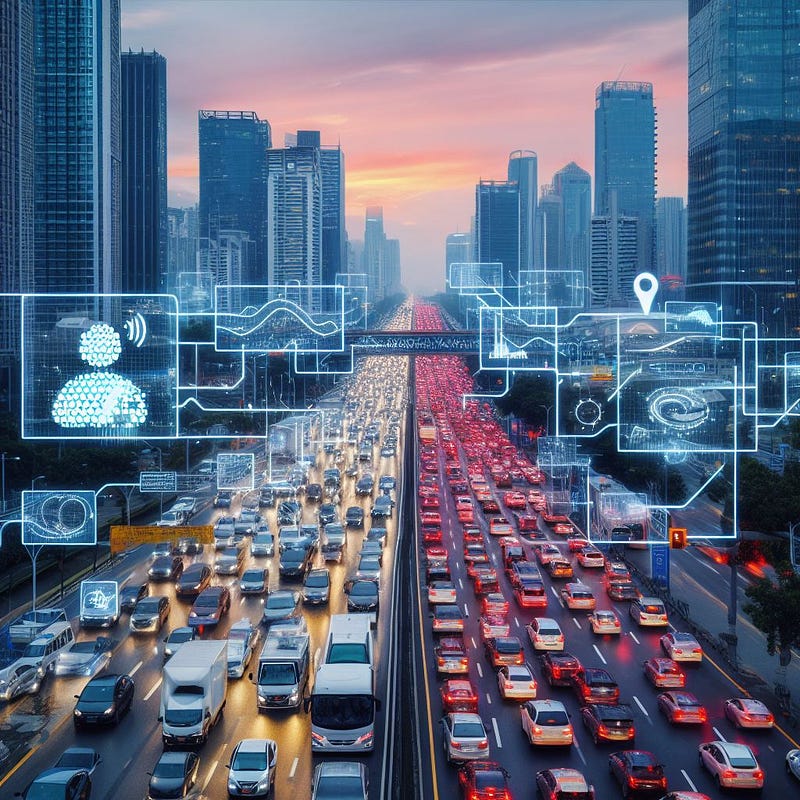
Stuck in traffic?

Is there anything worse than sitting in traffic, frustrated, and late? As urban areas grow, traffic keeps getting worse. Traffic jams plague cities worldwide, wasting time and patience. But what if AI could help reduce the headache of rush hour?Traffic has huge economic and environmental costs too. But data can help unravel traffic patterns. What insights could it reveal? Leveraging machine learning techniques, our research aims to not only predict congestion but also alert users in real-time. This innovation holds the potential to significantly benefit emergency services, enabling faster response times and ultimately saving lives.

How Can We Figure Out the Complex Puzzle of Traffic Patterns?

One of the primary challenges was figuring out the complicated trends of how traffic moved. This meant looking at huge sets of data to find patterns and trends, which made sure that estimates of traffic flow were correct. It turned out to be hard to guess how traffic would behave. Our model had to take into account a lot of things, like past data, the time of day, and even the weather. For correct estimates, balancing these factors was very important.

Our Approach

We examined a sizable dataset of real-world traffic data that local governments had gathered. There are 7 features (or columns) in the collection from 2010 to 2014.The characteristics that were given have been put through EDA. This helped us see how traffic changes over time.
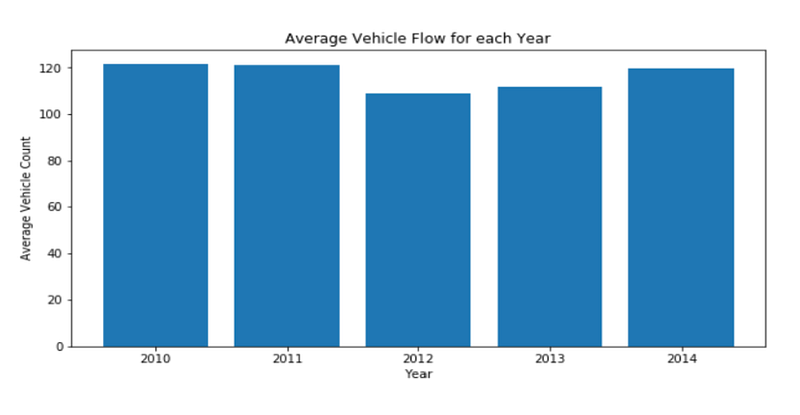
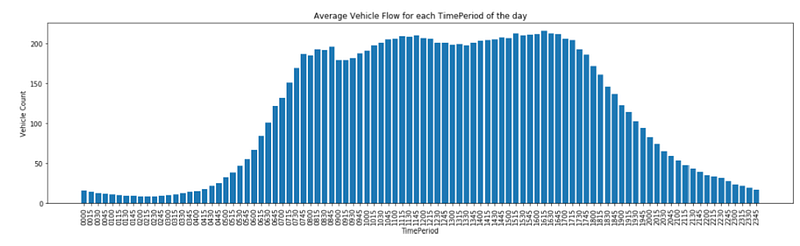
Fig. 1. Average Annual Traffic Flow Data
Fig. 2. Average Annual Traffic Flow Data for Entire Dataset
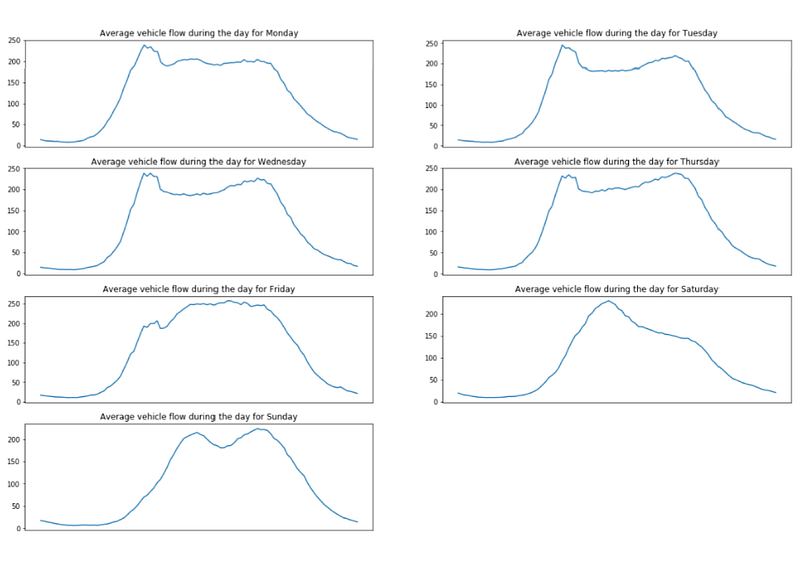
Fig 3. Average Annual Traffic Flow Data for Each Day
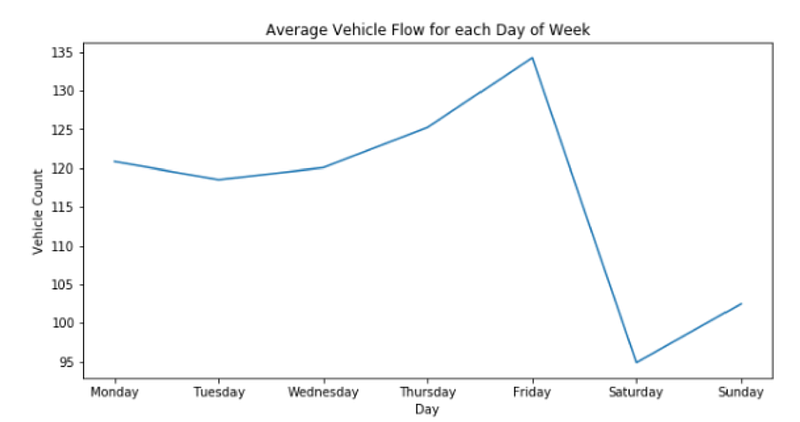
Fig 4. Average Annual Traffic Flow Data for Different Days
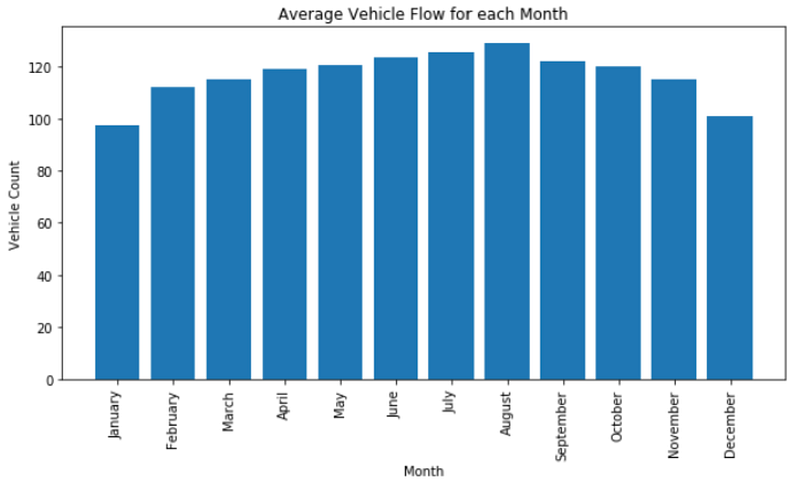
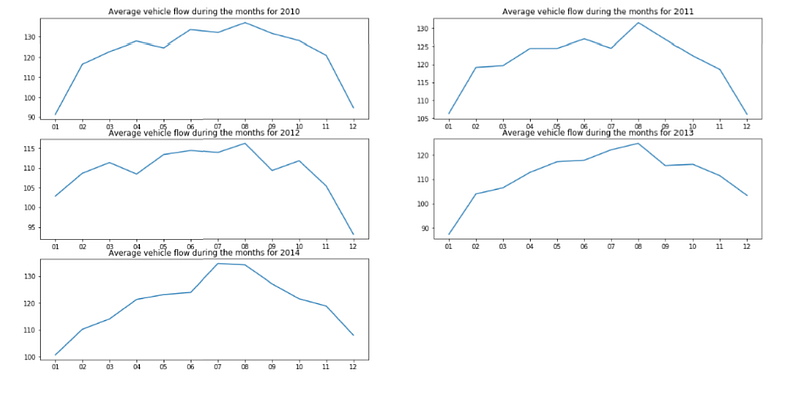
Fig 5. Monthly Average Annual Traffic Flow Data
Fig 6. Monthly Average Annual Traffic Flow Data
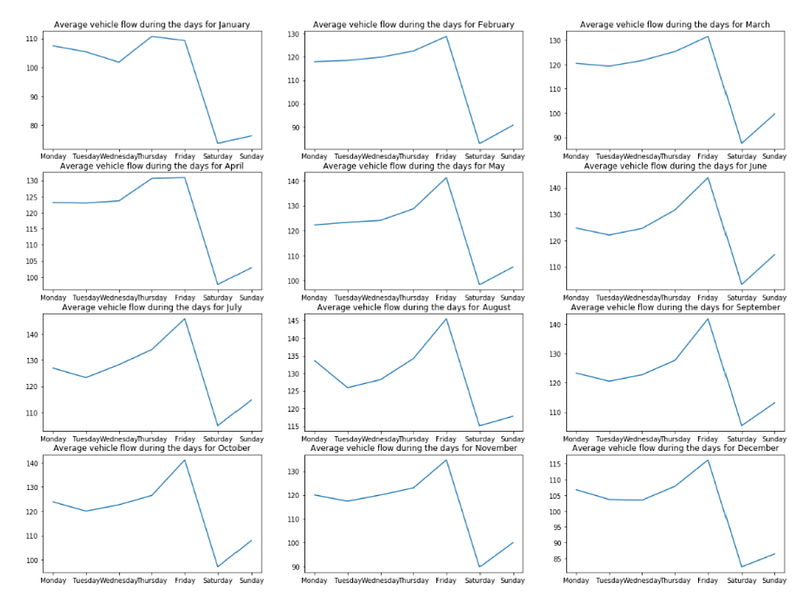
Fig 7. Average Annual Traffic Flow Data for Distinct Months

Key Findings from the Data:

  • Traffic volume increases steadily over the years as the population grows.
  • Weekday rush hour starts around noon and ends around 4pm
  • Fridays have the most traffic of any weekday.
  • Weekends have less traffic than weekdays.
  • Traffic peaks in August and drops off towards December.

We learned a lot about how traffic moves through this research. There were patterns that showed up for certain months, times of the day, and even days of the week. This helped us learn more about how traffic works.

Designing an Effective Model

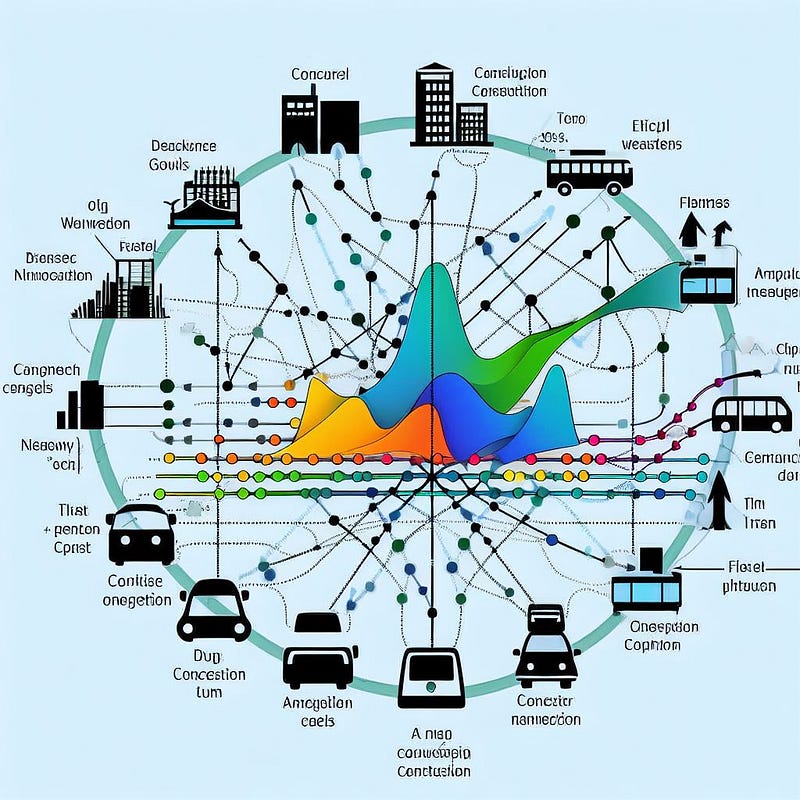
It was very important to choose the right machine learning method. Fuzzy logic became a strong way to deal with the unknowns that come with travel data. Fuzzy logic looks at traffic as ranges, not binary yes/no. This handles the uncertainty and imprecision of real-world data. Our model predicts likely congestion levels on different roads based on time of day, day of week, weather, and other factors. This let us make a model that could change with the times and give us accurate predictions about traffic jams.
Results and significance

In testing, our model achieved 93% accuracy in predicting traffic jams. This could help drivers choose less crowded routes. It could also optimize traffic light patterns to improve flow. This demonstrates AI’s potential to optimize routes and traffic signals, adapting in smart ways to keep vehicles flowing smoothly. Our data-driven fuzzy logic method provides a promising roadmap for using AI to ease frustrations and cut commute times in congested cities worldwide.

Accuracy Table

Real-World Impact

Implementing our fuzzy logic-based method into action could completely change how traffic is managed in places all over the world. By giving correct, real-time knowledge about traffic jams, we can greatly cut down on the following:

  • Reduced driver frustration
  • Lower carbon emissions
  • Improved flow for emergency vehicles

To the Rescue, AI — But Not Without Obstacles

While promising, our model has limitations. It depends a lot on having access to reliable and regular data sources. Unexpected events or changes in traffic trends may also make the model’s estimates look wrong.

Key Takeaways

  • AI reveals traffic patterns and brings smarter optimization.
  • With more data and development, AI could smooth traffic flow.
  • provides a roadmap to ease traffic with AI optimizations.
  • This research applies AI to reduce the frustration of rush hour.
  • Congestion doesn’t have to be inevitable—AI can help.

If an individual wants to learn more, they can click on the link to view the full written paper. https://ieeexplore.ieee.org/document/9985724/authors#authors

Questions to Think About

  1. How could we use virtual reality to test different traffic jam scenarios before trying them on real roads?
  2. What partnerships between city planners, traffic bosses, ride-sharing companies, and map apps like Waze do we need to share data and combine models?
  3. How can we make the AI system watch traffic over time and change itself to match new patterns and driver habits?
  4. Could we reduce jams by giving businesses incentives to have work hours match when the model says traffic will be better?
  5. What creative displays could show predicted traffic levels, best routes, and trip times to regular people?
  6. How do we balance smoothing traffic flow and cutting emissions? Might shortcuts mean more pollution in some areas?

🌟📝 If you enjoyed this article, feel free to follow me on Medium for more in-depth tech analyses and insights 🕵️‍♂️💡. Stay tuned for more cutting-edge discussions and breakthroughs in technology! 🚀🔍👩‍💻

AI
Machine Learning
Data Science
Data Visualization
Recommended from ReadMedium