
Solar Energy for Homes and Businesses: Making the Switch to Clean Power
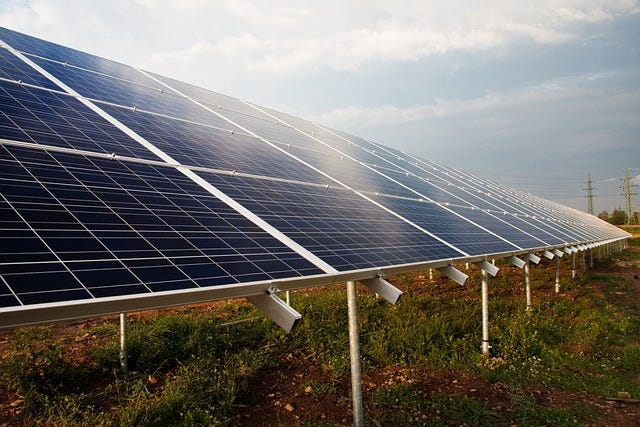
In today’s world, where climate change is a pressing issue and the need for sustainable energy solutions is paramount, solar energy has emerged as a beacon of hope. This clean, renewable energy source harnesses the power of the sun to generate electricity, offering a viable alternative to fossil fuels that are harmful to the environment.
The Allure of Solar Energy
As I stand on my rooftop, gazing at the sun’s warm embrace, an idea takes root within me: Why not harness this boundless energy to power my home? The thought of generating my own electricity, free from the clutches of fossil fuels, sparks a sense of empowerment and responsibility. I envision a future where my home is a self-sufficient energy hub, contributing to a cleaner and more sustainable planet.
Making the Transition to Solar
The journey towards a solar-powered home begins with research and understanding. I delve into the intricacies of solar panels, inverters, and mounting systems, eager to comprehend the technology that will transform my home’s energy consumption.
I soon discover that solar energy is not just a futuristic concept; it’s a practical reality, accessible to homeowners like me. With the help of an experienced solar installer, I navigate the process of selecting, installing, and maintaining my solar system.
Benefits of Solar Energy
As I watch my solar panels absorb the sun’s rays and convert them into electricity, I realize that the benefits of this clean energy source extend far beyond environmental stewardship. Here’s a closer look at the advantages of solar power:
Reduced Energy Bills: Solar panels generate electricity for free, eliminating the need to rely on costly fossil fuels. This can lead to significant savings on electricity bills, potentially covering the initial investment in solar panels within a few years.

Environmental Protection: Solar energy is a clean and renewable source of energy, producing zero emissions that contribute to air pollution and climate change. By switching to solar, I can reduce my carbon footprint and contribute to a healthier planet.
Increased Property Value: Homes equipped with solar panels are often more attractive to buyers, potentially increasing property value. This added value can offset the upfront cost of installing solar panels.
Self-Sufficiency and Independence: Solar energy empowers homeowners to be less reliant on the traditional power grid. This can be particularly beneficial in areas with frequent power outages, providing peace of mind and energy security.
Tax Incentives and Rebates: Governments around the world recognize the importance of solar energy and often offer incentives and rebates to encourage its adoption. These financial benefits can further reduce the cost of solar installations.
Disadvantages of Solar Energy
While solar energy offers a wealth of benefits, it’s important to acknowledge some potential drawbacks:

Initial Investment: The upfront cost of installing solar panels can be significant, although the long-term savings on energy bills can offset this investment.
Rooftop Space Requirements: Solar panels require adequate rooftop space to generate sufficient electricity. Homes with limited roof space may not be suitable for solar installations.
Weather Dependence: Solar panels are most effective in sunny climates, and their output may be reduced in cloudy or rainy conditions. However, modern solar technologies can still generate electricity in limited sunlight.
Maintenance Requirements: Solar panels require minimal maintenance, typically cleaning once or twice a year to remove dust and debris.
Conclusion
As I reflect on my journey towards a solar-powered home, I am filled with a sense of optimism and determination. I recognize that solar energy is not a perfect solution, but its benefits far outweigh its drawbacks. By embracing solar power, I can make a positive impact on the environment and my own finances, while contributing to a cleaner and more sustainable future for all.
As I gaze at my solar panels, bathed in the sun’s radiant glow, I am reminded of the limitless possibilities that solar energy offers. It’s a source of clean, renewable energy that can empower individuals, businesses, and communities to reduce their environmental footprint and build a sustainable future for generations to come.
So, let us embrace the sun’s power and make solar energy the cornerstone of our energy future. Together, we can create a world powered by clean, renewable energy, where the sun shines not just on our homes, but on a brighter, more sustainable future for all.
Reference:
Wikipedia contributors. (2024c, January 29). Solar energy. Wikipedia. https://en.wikipedia.org/wiki/Solar_energy


