
SOCRATES & BIODIVERSITY — 10 of 10:
Can he help us make this world a better world for Animal Beings — & Human Beings!
Ecological quest to save the world!
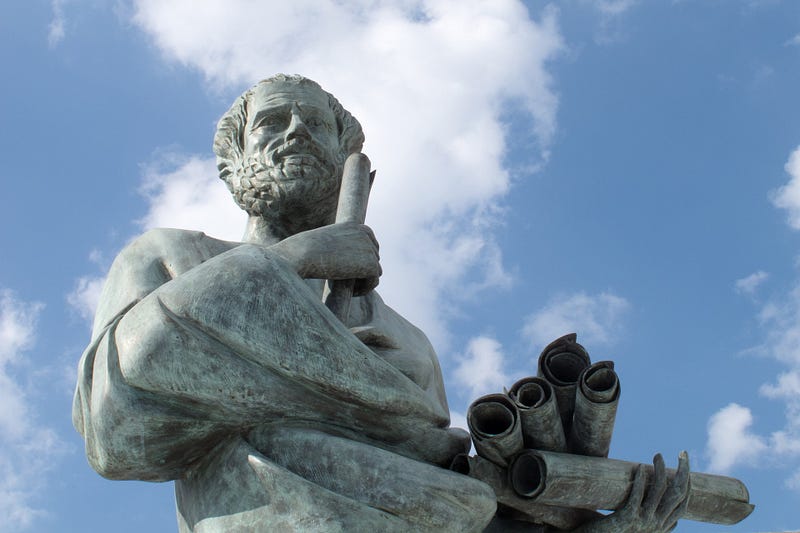
In today’s world — how can Human Beings align with Mother Nature?

What is the message The Adventures of Anuk: the first leap shares with Human Beings — that we can apply to help make this world a better place for Animal Beings — for ALL LIVING BEINGS?
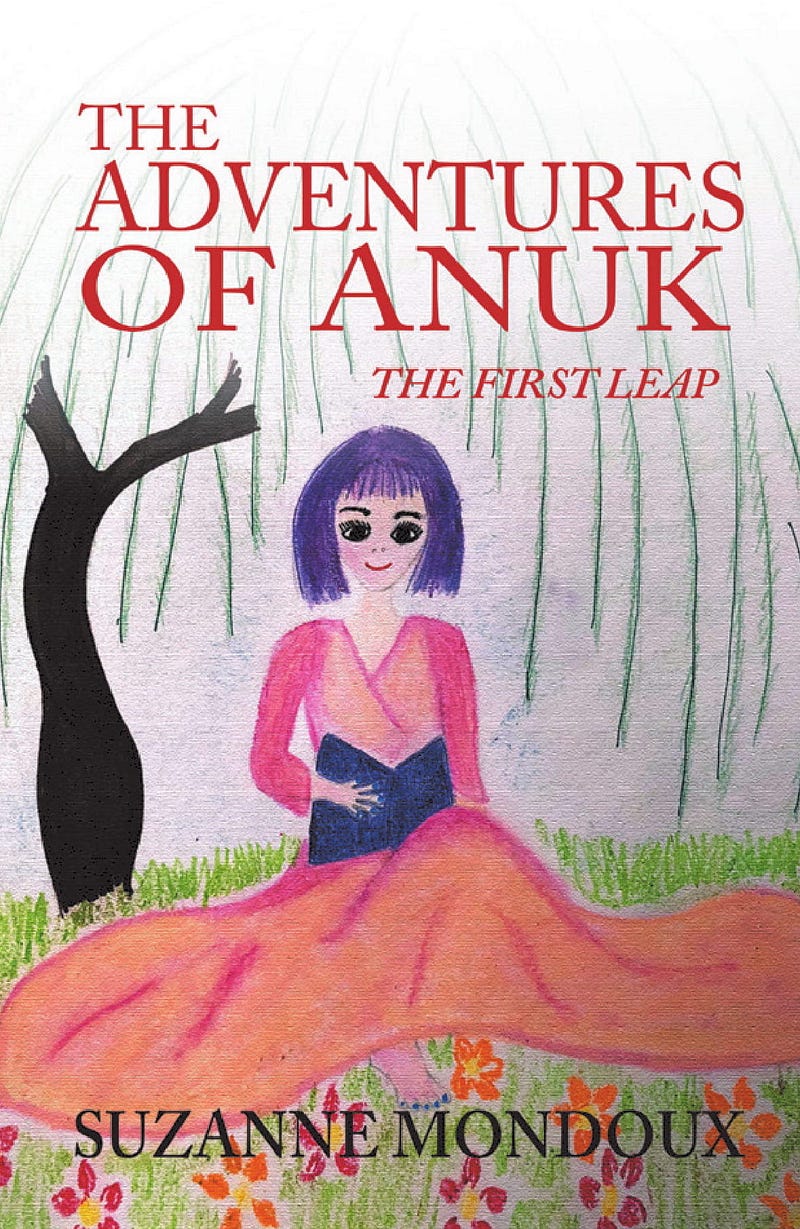
Ecological journey of a young girl on quest to save the world!
This tale reaches deep into Socrates Philosophy. Babirusa — the grand philosopher in the story — illustrates the fundamental nature of knowledge, reality, and existence on the Orb — the coexistence of Human Beings with Animal Beings.

The Adventures of Anuk magical adventure story transports you far away into a magical land. The story filled with the most enchanting descriptions of places and creatures so that you could actually visualize them. Can you actually visualize the world you want to live in? Can you see this same world for your children and future generations? Which world do you choose? Destroyed or Enchanting? This story is also filled with tension, emotion, and suspense. All life stories are filled with tension, emotion and suspense. You the creator of this one — — what is the story you want to write for yourself and All Beings? One of the many messages behind this story “You create! You decide! If the certainty of fear befalls you it is certain that you will never achieve the wholeness, the full parts of a whole life!” The story also reminds us that all Human Beings have the choice to decide what happens to the earth, and the decisions Human Beings make will affect so many innocent Animal Beings and their habitats. As the story tells us, Human Beings were not created to rule the world but to be a part of it and live in harmony with everyone else. Anuk learns — ‘My faults are also my lessons’. What do you create? What do you decide? Do you believe that Human Beings have the choice to decide what happens to the earth? Do you believe that the decisions Human Beings make will affect so many innocent Animal Beings and their habitats? Do you’re actions support your beliefs? Are your beliefs hidden behind your fears — — therefore, your actions as based on a feeling of ‘helplessness’? Do you ask yourself ‘What Can I Do?” Or are you focused on “I Can’t Do Anything — or — I Don’t Know What To Do’? What faults where also your lessons?
The Adventures of Anuk: The First Leap has woven two very clear messages into this story –
1. The first reminding the reader of the devastation the human race has reeked on the earth, and,
2. The second is the strong message of the importance of kindness, acceptance of others unlike yourself, and living in harmony.
After all there is a place for everyone, and thing, on this wonderful planet.
EXCERPTS FROM THE ADVENTURES OF ANUK: THE FIRST LEAP
*But Anuk simply could not help but feel an aversion to the challenge, and kicked the cage. She did not understand the interest, the need in studying the secrets of the cage, as Babirusa understood the Rames interests in studying the secrets of the Orb and its universe at the time. But for Babirusa the affairs of Humans and Beings had far greater urgency for the fundamental elements of egalitarianism. So she did what Poets termed Babirusa Method. She turned Helithians divided philosophies and beliefs inward. She focused all her energy into solving the fundamental question of existence for all. “What kind of life should we lead?” “What sort of Humans and Beings do we want to be?” She was the first teacher, the first philosopher of her time to put the organic nature of egalitarianism for Humans and Beings at the heart of her philosophy.”
*Babirusa believed Humans would be required to nurture their most precious, their most permanent part of their self, their soul, for egalitarianism to be realized. She would say, when a Human does right the Human protects its soul, and when the Human does wrong the Human harms its soul. To know right from wrong was fundamental to every aspect of a Human life.
*Humans would be doing terrible lasting damage to their own souls by unknowingly doing wrong!” she looked down at Servus again to see any kind of expression, or protest even. “Babirusa needed to teach them to protect the Helithians from themselves. Babirusa fundamentally believed that not seeking knowledge and maintaining ignorance was the only evil!”
*“Didn’t humans scrutinize Babirusa traditional moral thinking? She declared that all the virtues were interlinked, in that they could not be separated. Virtues were something she called knowledge of the Human good,” said Servus. “She taught that this knowledge of the Human good was going in some sense save their life. This idea posed a challenge. Could it play out in Humans every day life? Babirusa believed knowledge of the Human good was what allowed Humans to make the right practical decision within the Human daily life. But this right practical decision would look different in different context. All happiness and egalitarianism depended on the Humans day-to-day decisions and actions to be able to take care of their soul, their most precious possession. This meant that people would have real agency over their own lives. Do you think? Asked Seruvs. “Humans held paralyzing stories to discipline their mine that did not uphold to Babirusa philosophy. This way of life denied an egalitarian existence for all of life. And we sit together,” smiled Servus.
“Yes, but Babirusa showed Humans they did not have to stand on the whims of their fear based beliefs. She taught individual empowerment and responsibility for ones life; in that Humans were created to be in the world, a part of the world, and not the world and all Beings created for Humans. She believed this knowledge was available to Humans and Beings. Babirusa brought the teachings into every level of the Helithian Human society, to individual Humans. She showed that it was not out of reach,” insisted Anuk. “This transition gave Humans a sense of empowerment. They believed in themselves and the power of knowledge. It was exciting but dangerous time. Traditional social beliefs were threatened and their teachings disturbed many Humans. Babirusa acknowledged the existence of the Human fundamental belief system, but emphasized the capacity of Humans to shape their own egalitarian world between them and the Beings, even if seen as challenging their traditional roles in their model of the world. There was now promise of freedom of expression and dialogue for change in Helithia,” said Anuk breathless.
*“From what I understand, Babirusa broke down a problem into little parts and analyzed their parts and attacked each one separately, then grouped them back together into a more general definition by placing emphasis on definitions, then on layers. This method made people become aware of things they considered simple, elementary and basic, and what they thought they knew, and in fact did not know,” said Anuk.
“Babirusa cathartic method brought difficult issues to the forefront. Concepts were defined with much greater precision. She invited everyone to seek knowledge for the Human good and identify fundamental truths, by asking tough questions. Humans could only achieve this knowledge for themselves by constantly interrogating their actions and their most held beliefs because an unexamined life was not worth living,” Anuk paused and re-examined the cage bars for a way out.
*Babirusa lifework taught one never to take revenge. This was now completely turning on its head. One of the foundational tenants of traditional Human morality was ‘you should help your friend and harm your enemy.’ But Babirusa said no to this because all you could do to another Human, to another life, to a Being, was that you could take away their possessions, you could damage their body, you could kill them, but you could not harm their soul. But by doing wrong to a Human, life and Beings you were damaging your own soul and thereby taking away your chance of a virtuous and happy flourishing life.
*“The Poach and their followers believed in justice and in seeing justice enacted. But what form should punishment take? Babirusa believed punishment was only appropriate when trying to cure a soul. The damage one brought upon themselves was by doing wrong. So punishment is there to cure and purify a damaged soul. Its purpose was to reform,”
* “Babirusa believed if she took part in the illegal actions that she was invited to take part in, then she would have damaged her own soul, and taken away her chance of a happy and flourishing life,”
*“Babirusa’s last words were ‘Beings are the greatness of Humans. Humans can be greater in its progress.’ She reminds Humans that absolute evil is ignorance and that a good life is within reach. She is challenging Humans never to be thoughtless. She reminds us that an unexamined life is not worth living.
“Human Being coexistence with Animal Being will be the Humans’ greatest victory.” ~Suzanne Mondoux