
Social Media Is Creating a Type of Hive Mind. But Is That Really a Bad Thing?
Let’s Talk About the Complex Dynamics of Collective Consciousness Online
Social media moves quickly. Really quickly. Trends come and go in months, sometimes they move so quickly that you only see the trend after it’s passed. For Gen Z and Millennials, online influencers and viral content can sometimes feel inescapable.
We’re bombarded with online trends and we see these people with millions of followers telling us what they do and don’t like. So many people look up to these influencers and want to live like them, so of course, so many of us follow these trends. Partially because we want to be like them, but also because we don’t want to feel left out.
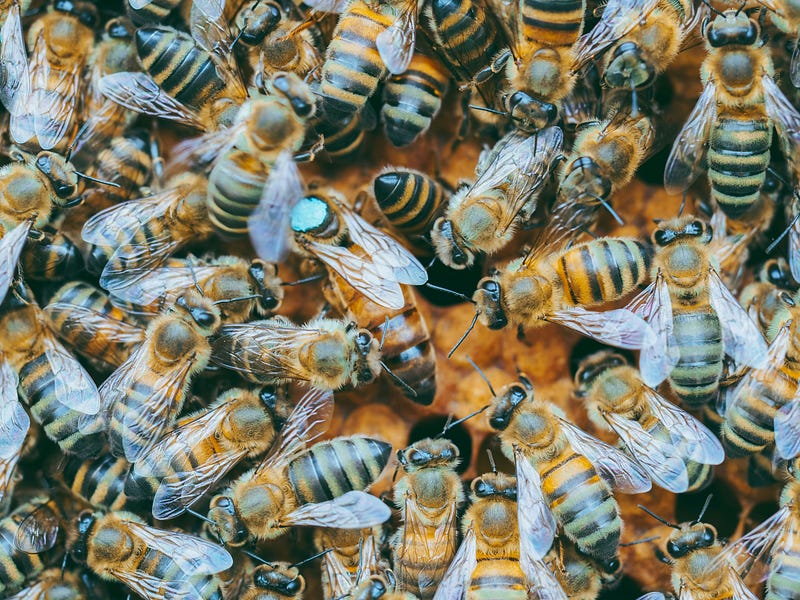
I’ve been thinking about it for a while now, and I’ve been wondering if this kind of collective consciousness, this hive mind, is really as bad as it seems.
For the most part, I think I’m kind of on the outskirts of these trends. My TikTok For You page is mostly just cute animals, some AI voice reading a Reddit AITA while someone plays Subway Surfer in the background, and people talking about internet drama.
Con: People are afraid to be an individual
So when I was scrolling through TikTok in the last week, I never saw influencers talking about it directly, but I do see a lot of women making videos saying that they’ve been working out for the last few months and they’re basically asking if they can wear something other than a bikini. It’s a little weird that people are acting like they’re being forced to wear a tankini instead of whatever bathing suit they want to wear.

Most people want to fit in. And this isn’t a new concept. It’s just easier to see now because people are more comfortable sharing their thoughts and lives with everyone online.
Conformity reigns over individuality. And I think we’re forgetting that individual choice and autonomy are important.
It’s almost comical how the fleeting whims of popular social media influencers can dictate our wardrobe and lifestyle choices. Sites like Shein and Temu make it easier now too. A single t-shirt from a physical store can cost over $20, but sites like Shein and Temu have those same shirts (though they’re usually lower quality) for $5. Those lower prices make it so much easier to completely change your wardrobe every season.
But the pressure to follow the latest trend can be suffocating and overshadow our ability to assert our own desires. It’s like we’ve surrendered our free will to the algorithm and we’re trusting them to define our identities and personalities.
But I also can’t ignore the transformative power of social media and collective action.
Pro: It’s easier to organize collective action
Recent events have demonstrated the incredible influence that these online communities have when they work together in pursuit of social justice and ethical accountability.
Consider the campaigns that emerge on social media platforms, organizing boycotts against companies that are involved in unethical practices. From corporate giants that are complicit in human rights abuses to brands that are damaging the environment, no one is immune to online scrutiny. And the repercussions are palpable. They’re losing profits, closing stores, and having to discount their merchandise in stores.
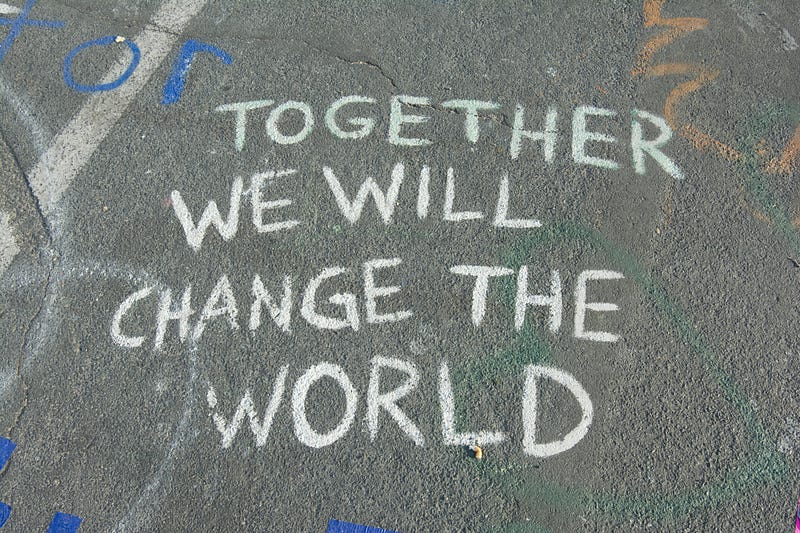
For instance, take the recent backlash against companies that are supporting Israel's human rights violations. Starbucks, McDonald’s, and Kellogg's are massive corporations but they’re facing financial repercussions for their actions.
Be Your Own Person
Right now, social media is a bit of a double-edged sword. Sometimes people mindlessly follow trends or are afraid to do things that aren’t “in style”, but it’s also a great place to enact change in the world. It exemplifies the paradoxical nature of online culture, wherein conformity and resistance exist in precarious equilibrium.
So, is the hive mind created by social media a sign of societal homogenization, or a catalyst for collective empowerment? The answer to this lies in the delicate balance between conformity and defiance, autonomy and solidarity.
I think that it’s really important that we tread carefully and be mindful of the power of social media. We need to think critically about what we’re seeing and take the time to figure out if we’re agreeing to something we’re seeing because we’re being told to agree, or if we’re agreeing because we genuinely do agree.
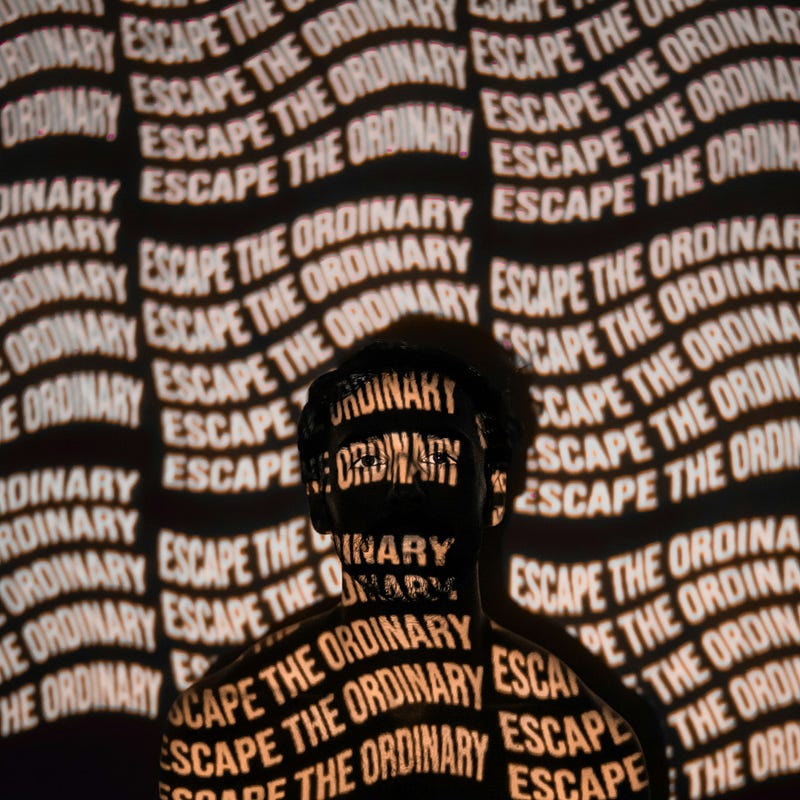
We shouldn’t be afraid to be our authentic selves and wear the clothes that we like. Don’t worry about trends. Trends are great to see new styles and to see if there are things you want to add or remove to your wardrobe, but we shouldn’t be slaves to trends and feel the need to completely change our style because other people online say that something isn’t fashionable anymore.


