avatarTeresa D Hawkes, Ph.D.

Summary

The article examines the dual role of social media as both a catalyst for societal hate and violence and a therapeutic tool that exposes and potentially heals societal issues by bringing to light the collective thoughts and emotions of its users.

Abstract

The article "Social Media as Human Mind Therapeutic" delves into the contentious impact of social media on society. It acknowledges the widespread accusation that platforms like Twitter and Facebook are responsible for the surge in hate and violence in various societies. However, it also proposes that social media acts as a form of therapy by revealing the underlying thoughts and feelings of individuals, which is a necessary step before healing can occur. The piece suggests that the openness of social media allows for a deeper understanding of the human psyche, highlighting both the negative aspects, such as the proliferation of gossip and insidious thoughts, and the positive potential for fostering curiosity and love over fear and hate. The author argues that this transparency is ultimately beneficial as it enables society to address and reshape its collective mindset, promoting listening and understanding over cancellation and conflict.

Opinions

  • Social media is often blamed for the increase in societal hate and violence, but it may also serve as a means of exposing and addressing these issues.
  • The US, in particular, is grappling with a culture of hate and fear, yet there is optimism that this can be transformed.
  • The article suggests that social media has made private thoughts public, allowing for an unprecedented look into the collective human mind.
  • There is a belief that the visibility of our thoughts on social media can lead to societal learning and growth, encouraging love and curiosity.
  • The author posits that individuals have the power to shape their own minds and, by extension, society, by choosing curiosity over conflict and listening over canceling.
  • The article ends with a call to action, urging readers to start engaging with others in a more constructive manner, and promotes an AI service as a cost-effective alternative to ChatGPT Plus for those interested in further exploration.

Social Media as Human Mind Therapeutic

Is social media to blame for our hateful minds, or the therapy that has ripped the bandage off, exposing us, filling our emotions with revulsion and pain? These things always precede cleansing and healing.

Most media outlets blame social media for the current waves of hate and violence that are coursing through many societies on Earth.
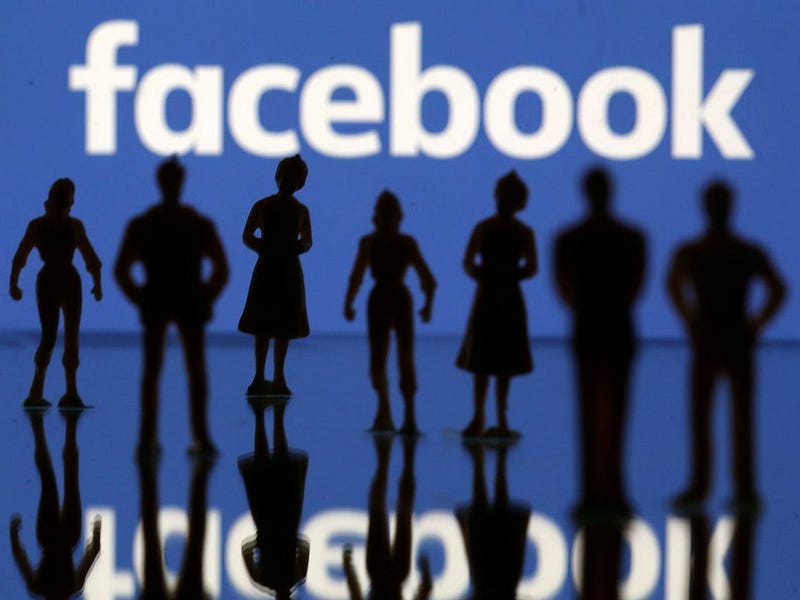
Image harvested from BING

The US is definitely a society being driven by hate and fear-filled minds across the social spectrum. But, there is hope.

https://unsplash.com/photos/6ZO3rE6OLew

Humans like to gossip. All kinds of gossip. You know and I know how nasty things can get at times.

https://unsplash.com/photos/3I8G9TtX8U4 Q-Anon can be seen as a type of gossip.

Now all our backbiting and insidious thoughts are quickly expressed with what appears to be no social consequences on Twitter, Facebook, youtube, and where else?

But our societies spring from the minds of each of their members, swirling together as we dream, as we go to work on the crowded bus, as we make food, make love, raise our children, vent to trusted others. Whatever is in our minds propagates out to everyone within our reach, and social media has put us inside each other’s homes and minds in ways never before experienced by living humans.

This is good because it allows us to see what is going on at all levels of each others’ minds. This has been a helluva ride over the last decades of social media success. We can learn from this. We can love and be curious instead of hate and be fearful.

We do have the power to sculpt our own minds and propagate curiosity instead of battle. We can listen instead of cancel.

Let’s get started on that right now!

https://unsplash.com/photos/EQSPI11rf68
Social Media
Human Mind
Cyberspace
Facebook
Twitter
Recommended from ReadMedium