
PROHIBITION AWAKENS DESIRE
Sobering Quarantine Reflections
A loud voice in a global hush
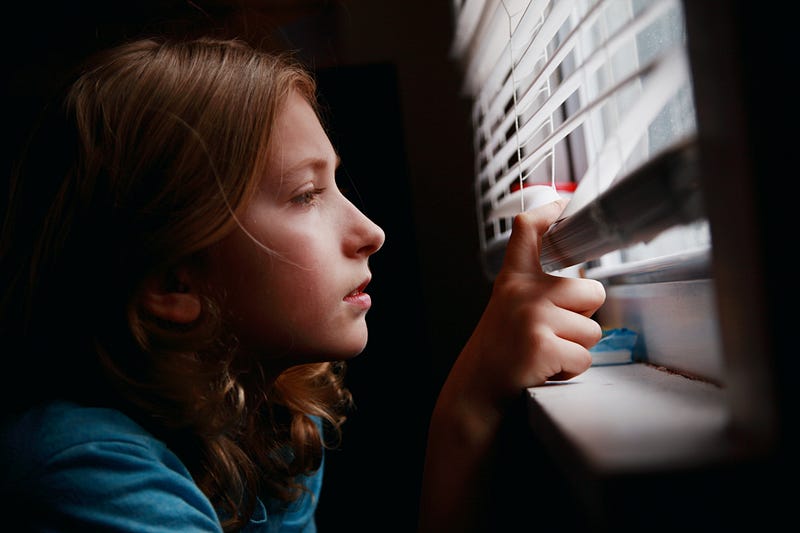
Six months into the new decade has been scary. It’s hard to imagine that 2020 is finally here and we’ve spent the first half of it being sad, confused, infuriated, frustrated — having complex feelings. Our lives, goals, pursuit of happiness, and liberty are at a standstill. The streets are empty, offices and workplaces shut down, homes are packed not only with groceries and toiletries but with human beings who are in confinement as a measure to flatten the curve. The impact of the novel coronavirus on economy, politics, businesses, religion, and other aspects of human life are evident — it feels like hope is the scarcest commodity in the world right now.
We all longed for 2020 as a year of possibilities, changes, exploits — a year marked for impressive human development and advancement. Contrary to these predictions, living with the chaos, turmoil, and drama presented by the pandemic, how do we embrace life after the virus let alone pursue those lofty dreams? For those of us alive, unscathed by the virus, the fear of getting infected is incontrovertible. It sure is. The threat it carries is omnidirectional with scenic and histrionic groans everywhere. Perhaps what we may find wonderfully assuring would be for CDC to relax physical distancing guidelines to bring some sunshine in these dark times. The world needs a break! We indeed require some easement though, but again, is that the kind we need right now? I guess not. The popularity of BLM, how it’s globally galvanizing black neighbourhoods almost feels like “community goes on.” On the one hand, generally, apprehension about the pandemic is steadily drifting as a consequence. On the other hand, the recent surge in the pandemic seems that the human race is on an ill-fated journey — we are facing a headwind.
The behavior of the pathogen is like a piece of ice that frosts then goes through a defrosting cycle, and then there is a spillage. It has been a chaotic, dramatic nightmare from the start to where we are now. Far more worrisome than the pandemic is the problem of inability of the health sector to weed out its spread.
Why Reflect?
There is no question that our world has changed — culturally, politically, socially, and perhaps psychologically. News about the virus as well as measures in place to curb its spread is global, even in the remotest part of the world. The new normal has impacted how life runs; many things are done either by proxy or tune-in. Everyone everywhere is experiencing this global reset.
The phenomena got me thinking about the universality of laws, orders, regulations, decrees, and their acceptability, applicability, perhaps their legitimacy. By now, the globe is aware of the restriction “do not touch your face.” How difficult or easy is that? Perhaps how tempting is it? When you think of the CDC’s regulation to not touch our faces you might, at first glance, write it off as a piece of cake. But wait until your eye itches or you experience a tingling feeling on your face. The automatic reflex is you’ll touch your face — maybe you just did. Human curiosity into the forbidden has a long history of discussions. I heard some say,
Prohibition awakens desire.
If that is anything to go by, then most probably the same desire influenced Adam and Eve’s rebellion against God’s clear-cut, prescriptive, descriptive directive “you shall not eat…” Like us, the first pair, Adam and Eve, were not used to breaking laws. It was their first time. Foregoing the command “not to eat,” they have never eaten “from the tree of the knowledge of good and evil,” haven’t experienced the backlash of violating commandments. Unlike us, they have not seen people die as a result of breaking a law. In respect of Adam and Eve, the promise of becoming like gods seemed glamorous. Arguably, it is syllogistic to choose what they did. For if the tree will: open their eyes; remodel them like god; make them discerning; it should, therefore, be thought preferable to God’s restriction “not to eat.” Right? Adam and Eve made a good bargain, maybe a bad one.
So, seeing people die from defying CDC guidelines, is there anything heroic about going against the regulation if it only ends in death?
Why People Obey Laws
Generally speaking, laws cushion our rights and protect us against violations. They help maintain sanity in our communities, ensure our welfare and equity. Laws define the relationship between person-to-person, people and the community, as well as spell out what is considered right or wrong, good or evil, and detail the repercussions in case a breach occurs.
The reason people keep laws are the same reasons people do not jaywalk. Of course, no one in his right senses would want to throw his life on the street to be run over by a vehicle. No driver wants a ticket for either running or jumping a red light. We keep laws because our interests are protected.
Laws are only good to keep if they meet certain standards. Generally, laws that originate from authoritative sources, that promise protection and redemption, laws that are universal and all-inclusive attract following. Below are breakdown of such laws:
- When laws possess legitimate authority in the eyes of people, it holds sway on them. It follows that these laws perform assertive and practical functions in shaping communities. We tend to look at whether the law has official approval or sanction; if it’s given by an expert or someone having power, influence or one whose decision and/or judgment can be trusted.
- Laws that cannot keep communities from harm would hardly be obeyed. Protective laws automatically have legal binding on the citizenry or the societies in which they are enacted. Though it is easy to break laws that protect us, we also know it is unconscionable to do so.
- Admirable laws fall under those that have innate propensity to save or deliver. Freedom is a great motivator for keeping laws. It is logical to keep laws that promise emancipation from serfdom.
- Universal laws usually are natural laws that govern societies. They are widespread orders that prescribe accepted standard of dos and don’ts.
- Laws that transcend time are laws that are just as important or relevant today as it was when they were first made.
Confluence of Laws
As free beings with the power to choose, when we have options, we decide which option works best for us, sometimes without thinking about the lasting sequential effects. When it comes to choices there is a force inside of us that craves full gratification. It matters not if that gratification is transient. Many a time, when we have to decide between human and divine laws, the result has always been people choosing the former. The case is not different among God’s people in ancient times (Jer. 6:16).
At a breakneck speed, we extrapolate that momentary benefits are convenient and helpful when what we need is abiding satisfaction. Over and again, the detours we create hurry ahead of us with great abandon. How great is our vanity in trying to venerate laws that are failing? The choices we make to keep “fleeting laws” may feel good in the interim, but in the end, they will always make us disposable.
Abuse of Freedom
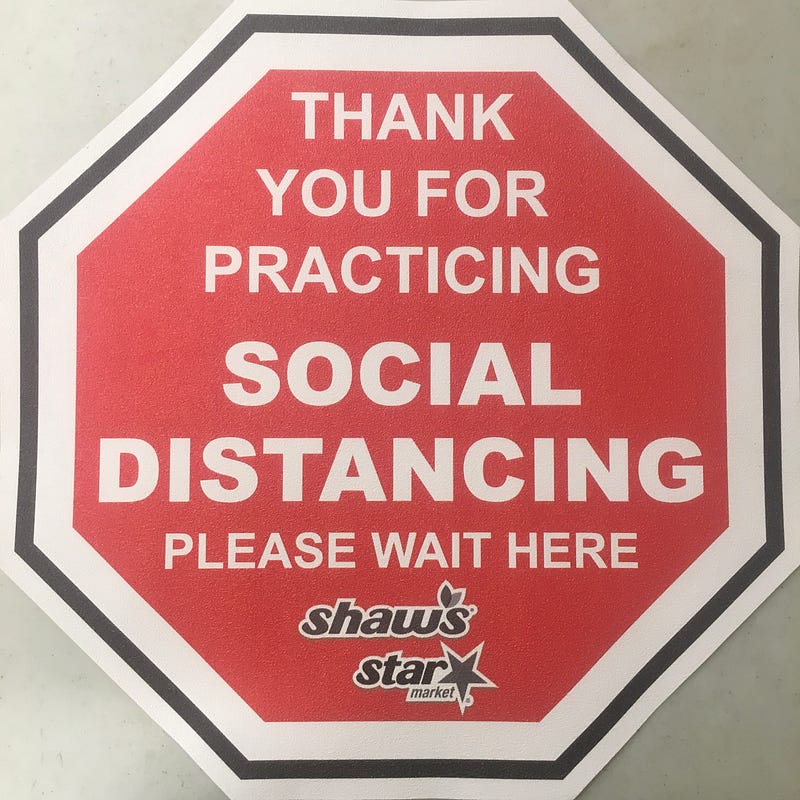
In an attempt to contain the virus, governments ruled out public physical gatherings as verboten resulting in a lockdown. Meanwhile, grocery stores were allowed to operate under restrictive measures. In keeping with CDC mandate, stores across the country championed the cause to promote these statutes as reminder to those who might treat it as irrelevant. One-way floor stickers and aisle markers are installed to encourage shoppers to practice physical distancing.
A dialogue between two senior citizens who apparently were at-risk members of the community caught my attention. I was eavesdropping. One said to the other, “you know what, I can’t put up with this mask? It keeps getting in my way, sometimes as far as my eyes.” Almost immediately, I thought to myself: Is it the same with the law of God? Does it get in our way? We all indeed want the same thing: freedom. However, the freedom to leave our homes, to shop, to socialize, comes with the responsibility to act in ways that protect one another. Unfortunately, we are not willing to pay the price hence we abuse it.
Are God’s laws too difficult to keep? Too burdensome?
While the CDC admits it doesn’t know everything about the virus, we take the accuracy of their advice on faith. The CDC advises physical distancing and mask wearing to protect others. God’s laws, the Ten Commandments, encourages loving our neighbors thereby protecting them. Therefore, God’s laws and the CDC are NOT in opposition. I am convinced that through these uncertain times God has been speaking to us, drawing our attention to His laws. Unfortunately, however, His voice seems to not make sense in a culture that has intentionally vaccinated itself against God.
Key Pointers
A few observations are notable. In many grocery stores, I see some shoppers intentionally go through the stores in the opposite direction of the one-way markers; others follow it strictly with their personal safety precautions; still, others go through the shopping experience without paying attention to the markers at all.
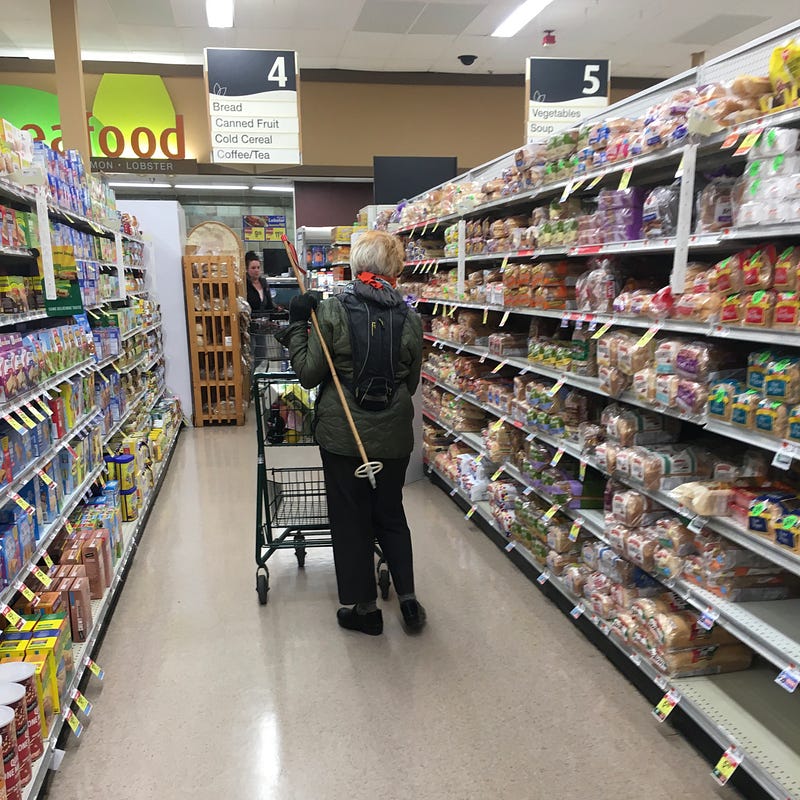
While these stickers are intended to ease traffic and help shoppers navigate the stores without running into one another, some customers blatantly flout the directional signs. Maybe, just maybe, the reason they are called stickers is for them to stick or perhaps sink deep into our memory so we can always remember to follow the guidelines they provide. However, many find it as getting in their way. It is self-evident that failure to heed the guidelines make us defenseless to the virus.
In these times of global apprehension, death is not the fear of only the vulnerable; the healthy are not immune. We have seen and heard people, both weak and strong die from the virus by not following CDC regulations. Though we see people expire, we ignore precautions that are designed to keep us safe and alive. Our inclination to breaking laws is buttressed by the death toll. Though we know what to do to avert being infected by the virus: social distancing; wearing a mask; avoid touching our face; and sheltering in place, the real question is what must I do to be saved? Jesus’ answer — keep the law. Put on the MASK.
But there is rebellion in each of us!
Indebted to Holly Jahangiri