Snow Monsters of Zao, Japan
Mount Zaosan in Winter, Miyagi and Yamagata Prefectures Japan
By some measures, Japan is the snowiest place on earth, and winter in areas such as the Tohoku region north of Tokyo adds to that rep.
Of course, as we all know by now, whether because of recent global weather patterns such as this year’s El Niño effect, something more sinister such as climate change, or — most likely — a combination of the two, local conditions are increasingly variable.
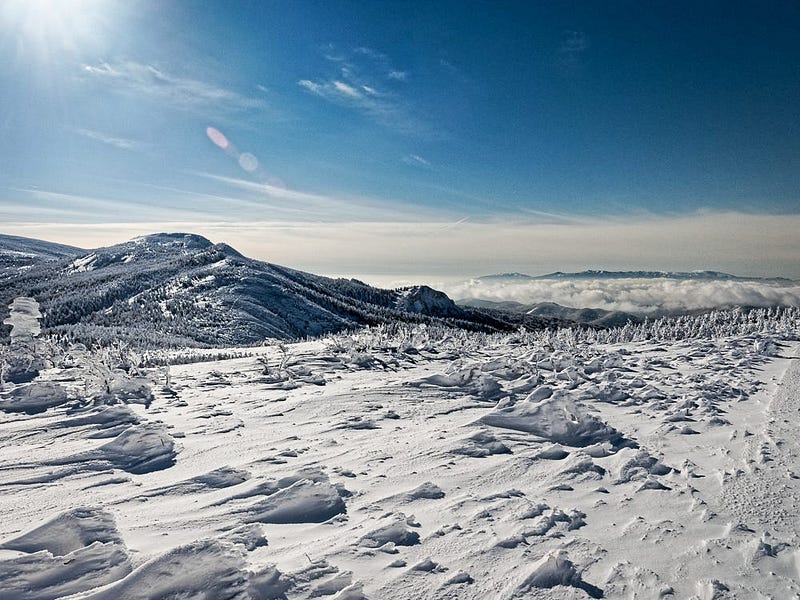
Still, for now at least, the Zaosan (蔵王山) mountains, on the border between Miyagi and Yamagata prefectures, for example, get around 12 metres dumped on its forested slopes each season. That’s a far cry from the 40-metre (120-plus feet) epic blanket that smothers the Japanese Alps around Nagano (there’s a reason houses in the countryside traditionally have a second front door, upstairs), but still more than enough to transform this range of stratovolcanoes, crater lakes, and subalpine fir trees into a magical fantastical winter wonderland each year.
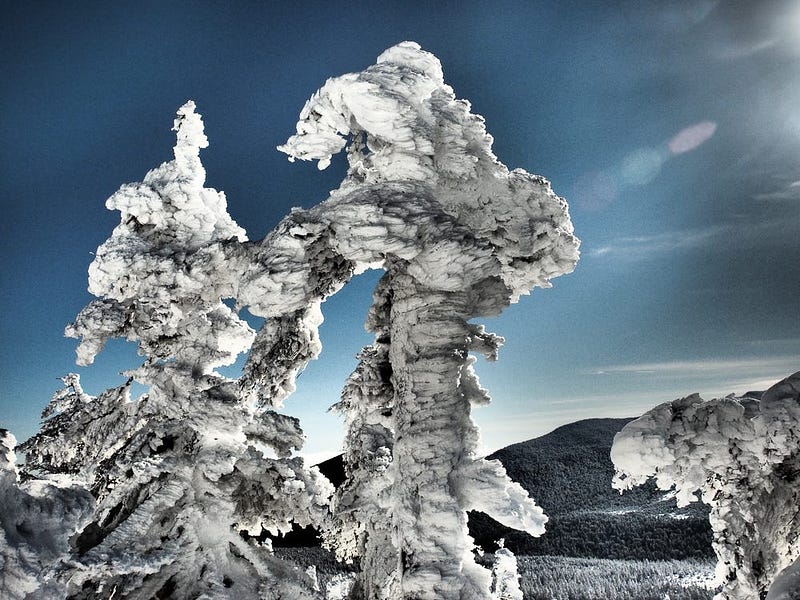
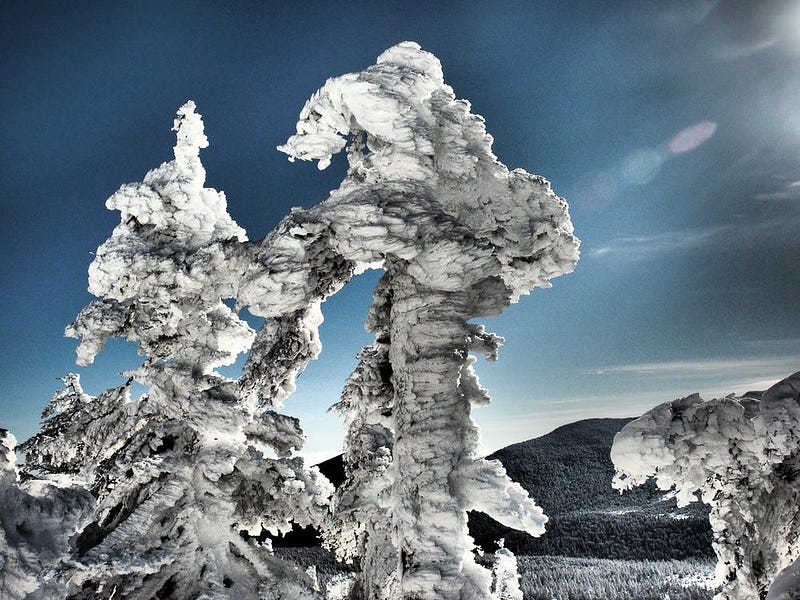
At up to 1,841 metres (6,040 ft) in elevation, the summits are more than tall enough to snag passing clouds and form horizontal icicles on the branches of spindly Aomori fir trees, bushes — and everything else that doesn’t move in the subalpine zone. Then, from December to March, when cold air rolls out from Siberia and crosses the relatively warm, ice-free waters of the Sea of Japan, winter washes up against the west coast of main-island Japan and dump its burden of snow on the mountains which, coincidentally, protect Tokyo and make for mild, dry, sunny winters in the capital.
This western wall of snow-making machinery is really a double-win for Tokyoites: the city stays dry and user-friendly during the winter, while a mountain powder playground is just a short drive or shinkansen bullet train ride away.
The perfect spot for a long weekend staycation for residents or visitors to Japan.
So, a few years ago, my wife R. and I layered our hardcore Patagonia over wimpy city clothes, grabbed our cameras, and headed for the slopes.
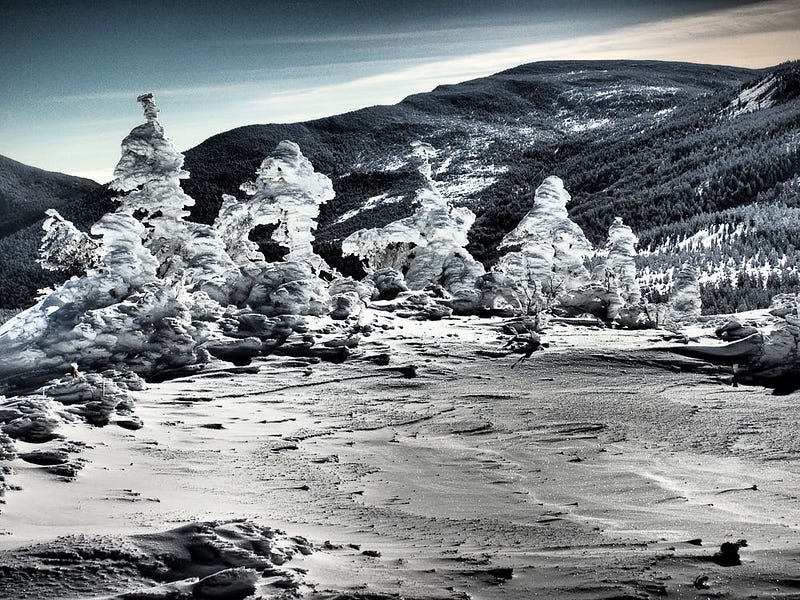
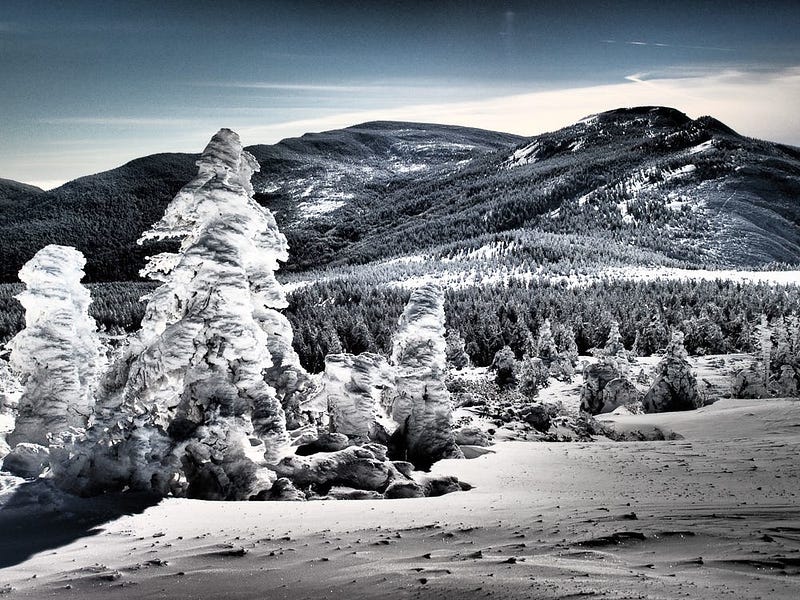
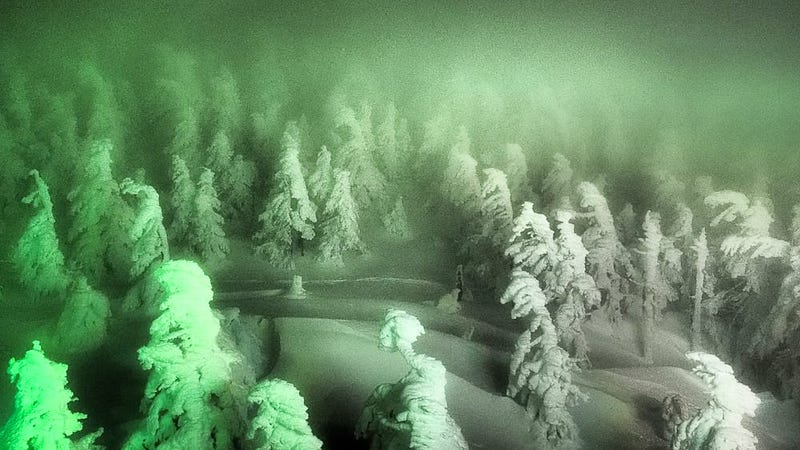
Turns out, we timed our trip just right. “The best conditions in 10 years,” our guide announced to the passengers on the snowcat. I’m not sure of that, but I’m sure of one thing: the 樹氷 “juhyo” snow monsters were in fine form that year, as you’ll see in the picture gallery below.
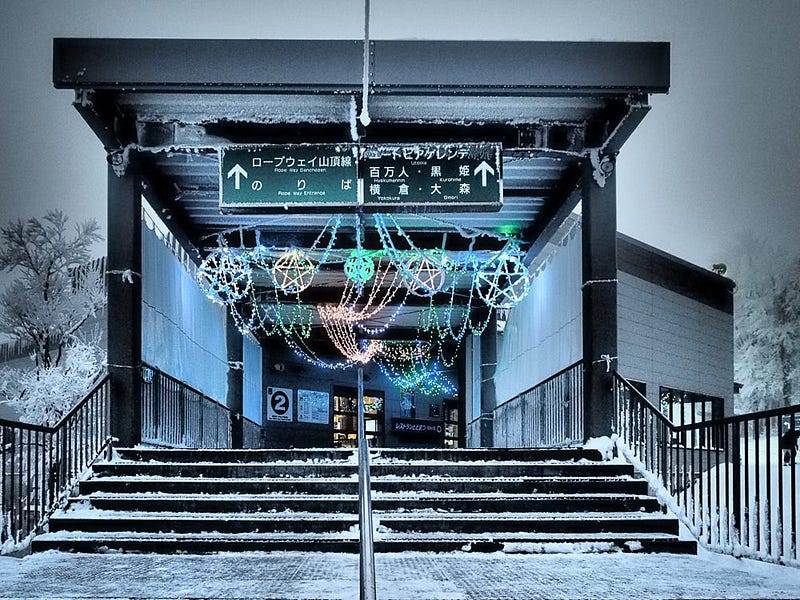
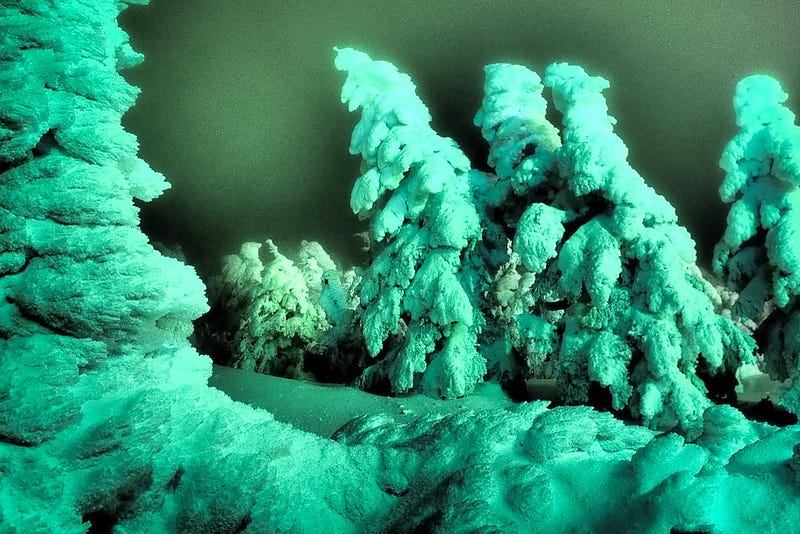
But I’m getting ahead of myself. Our first real view of the snow monsters came at night, in a haunting illumination created by coloured lights strategically placed to transform a domesticated herd of the eerily human-like figures in the near-white-out night.
Zao Onsen Ski Resort and Ropeway, Yamagata
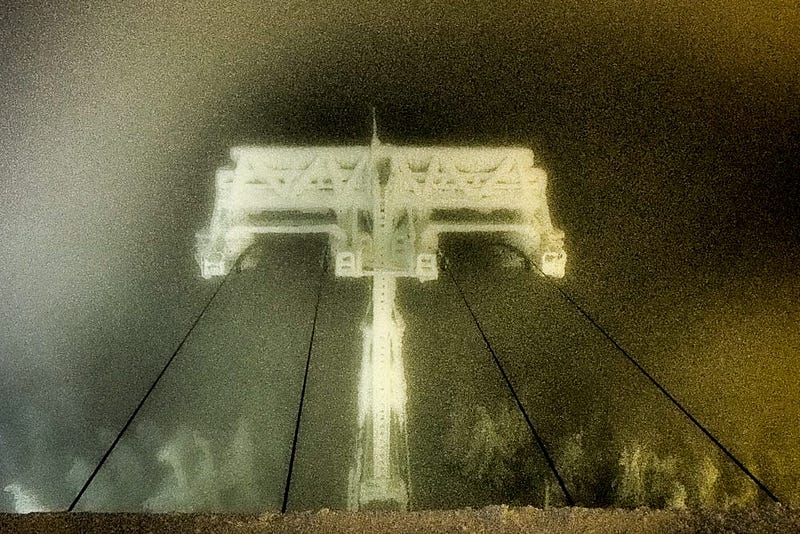
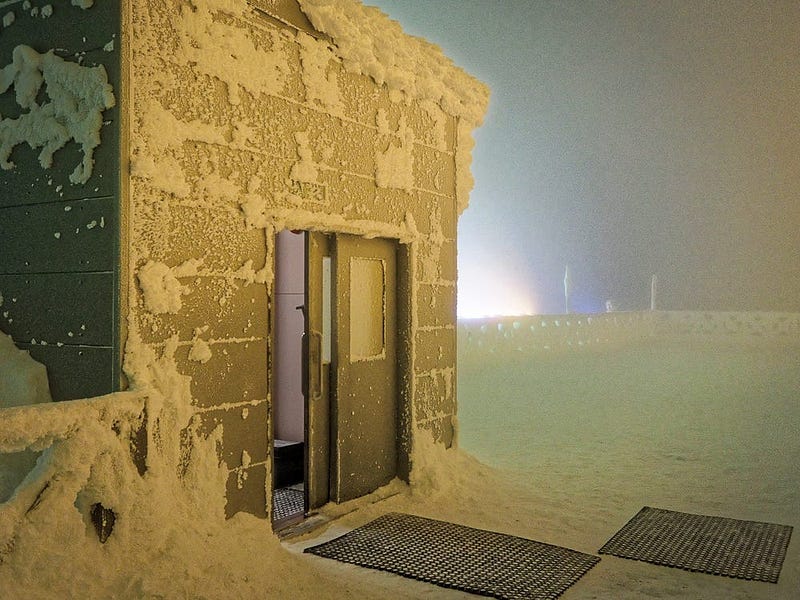
The ropeway that serviced skiers and snowboarders pulled double-duty by whisking tourists — and photographers — magic carpet-like over a forest of snow monsters to Zao Sancho Station at 1661 metres (5449 feet). Here, exposed and at elevation, the wind and cold threatened to turn R. and I into snow monsters ourselves if we didn’t keep moving, and take shelter in the lee of the station building.
Despite the wind-chapping cold, the gondola run is best done at night, to take advantage of the illumination light show. Coloured floodlights light up the snow monsters so thickly covered in snow they now looked more like giant shrimp tempura dipped in candy floss reds and blues and greens.
Zao Sumikawa Snow Park, Miyagi
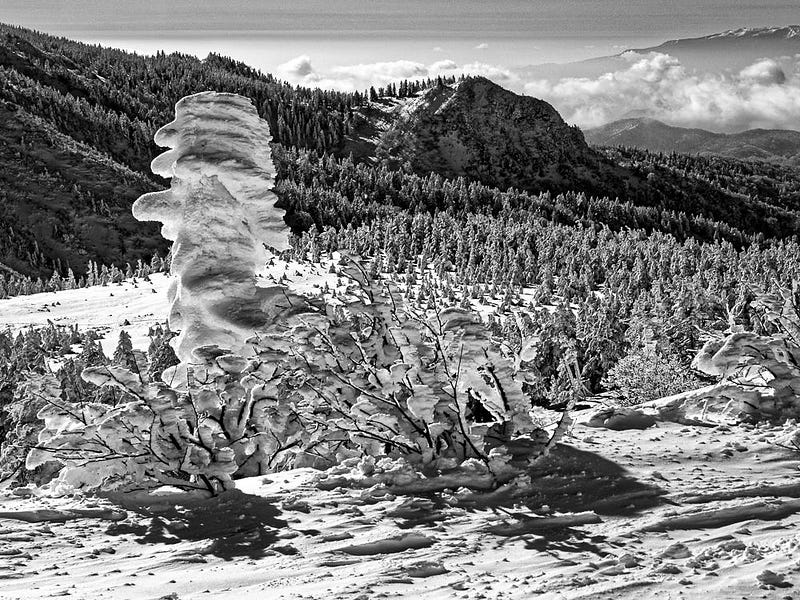
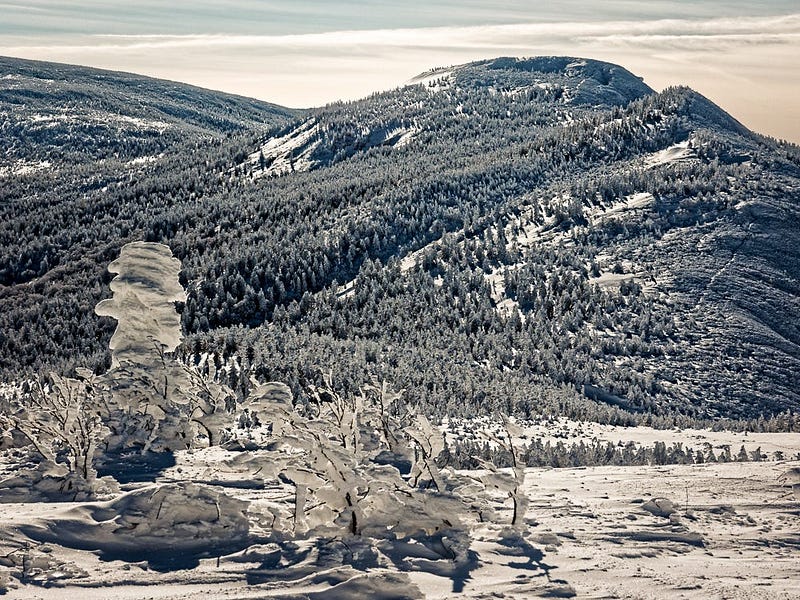
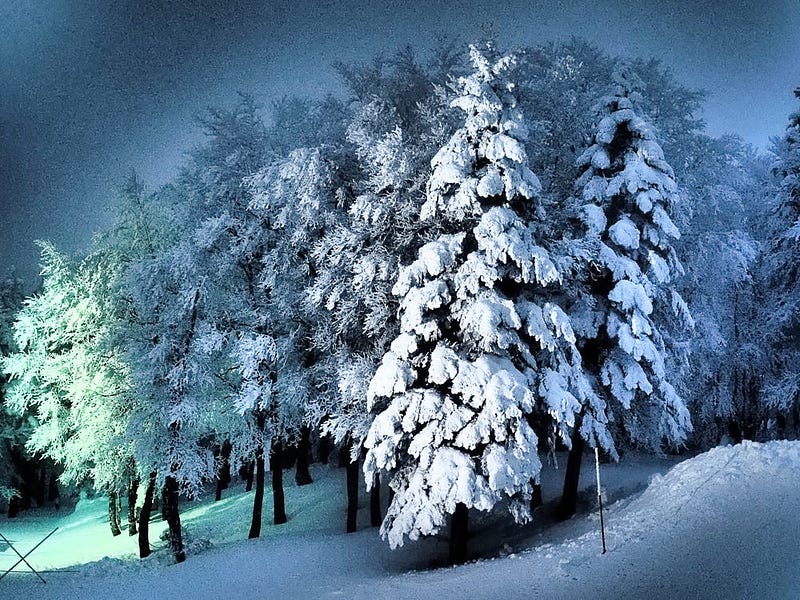
The next day, on the east side of the range, in neighbouring Miyagi prefecture, we took the 45-minute trip by snowcat to the backcountry subalpine zone where for half an hour we shot pictures of the ‘monsters in their natural habitat in what our guide told us was “the best snow conditions she’d seen in ten years.”
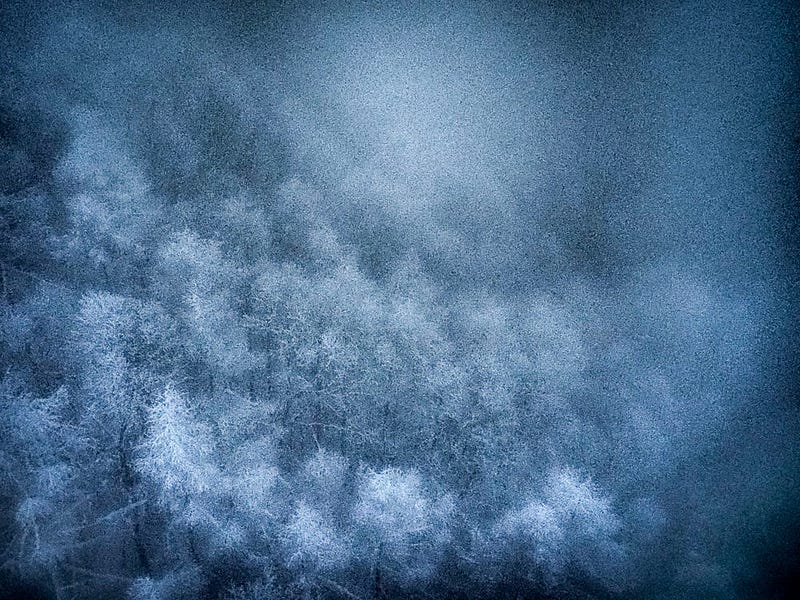
Again, you can see the resulting pictures below, post-processed to capture the dramatic tone and contrast of the play of light and shadow on the snow-covered trees and fields.
If I do this trip again, I will arrange to be dropped off from the snowcat and hike or ski or snowshoe back to base.
We would have taken this option if we’d known about it in advance and were prepared. Half an hour simply wasn’t enough to really take in the landscape. As it was, we ground our way up and down-slope in an over-heated snowcat heaving with other daytrippers.
Yup, next time, we’ll take the snowcat up and snowshoe back down…
Gallery 1: Ropeway Snow Monsters
Gallery 2: Backcountry Snow Monsters