
Smart move: Why this internet pioneer and CEO finally quit alcohol
“The perfect day is 10 hours of caffeine followed by 4 hours of alcohol.”
This was a line I heard one of the internet’s greatest pioneers say during a podcast many years ago and I never forgot it.
That’s how I wanted to live back then.
I thought it sounded like a mature and romantic way to manage your day. Fuel up and work your ass off building something great, then give your brain a biochemical break at night.
I thought the lifestyle of staying on a constant cycle of caffeine and alcohol served me well.
It didn’t, of course.
It actually put the brakes on any entrepreneurial aspirations I had because I was too numbed out and lazy to accomplish anything at night and I was too tired from the crap sleep to tackle anything beyond my job and family obligations during the day.

Whiskey and Mad Men
This week, the man who dropped that line about caffeine and alcohol on the Tim Ferriss podcast all those years ago announced he had stopped drinking alcohol altogether.
The author of the quote is Marc Andreessen, who co-founded Netscape in the early days of the internet and is now perhaps Silicon Valley’s most well-known venture capitalist.
In a Substack post, Andreessen wrote that he’d been fooled by countless “studies” that suggested alcohol was actually good for you.
Now, he accepted, it has become abundantly clear that the best amount of alcohol is no alcohol at all.
Andreessen wrote:
“About six months ago, I stopped drinking alcohol. I feel much better, and I’m mad as hell about it.
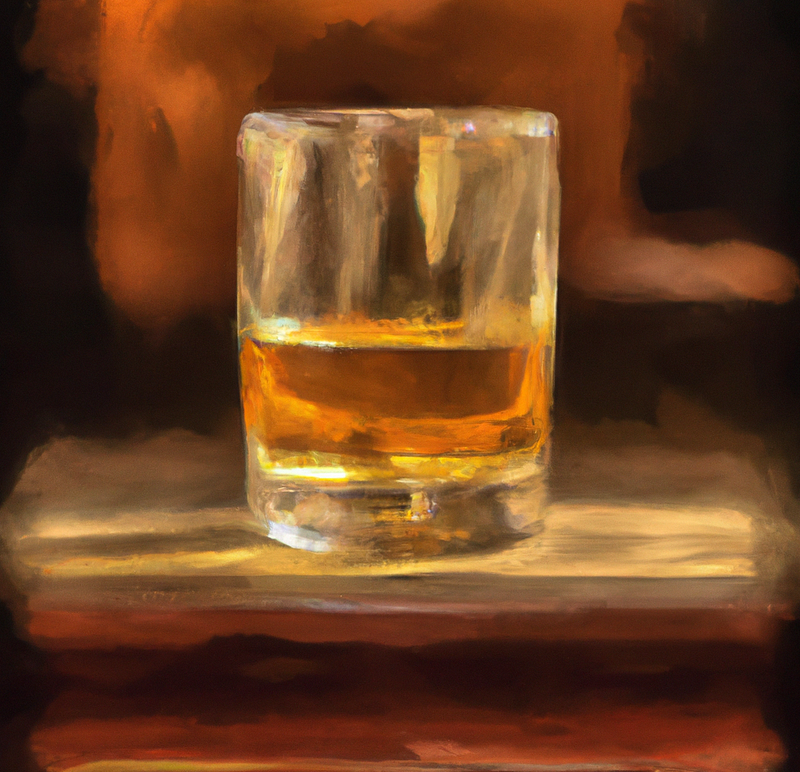
“I never really drank through my 20s and 30s, but grew to really enjoy whiskey through my 40s, coincident with ‘Mad Men’, and roughly a thousand academic studies that proved that alcohol is actually good for you. Win/win!”
This is an important point that was lost on me at the time I heard the podcast. Andreessen is now 51, and I was closer to 30 than 40 when I heard it.
When he was in his most successful creative period, Andreessen didn’t drink.
It was only later that he started the habit.
Another side note: in retrospect, the Mad Men era may have been the peak for my generation’s alcohol consumption.
Everyone wanted to be Don Draper, and everyone wanted to have a whiskey while they watched him thrive at work while his personal life fell apart.
It’s odd, isn’t it?
The show clearly demonstrates how alcohol was always a big contributor to Don’s self-destruction, yet everyone wanted to live like him anyway.
I guess it was nostalgia for another time — one where there were no consequences because all the stuff we now know was terrible for us was considered healthy.
Accepting alcohol’s destructive nature
I do understand it in a way.
While knowing more about the dangers around us is a net positive, there is a weight that comes with it.
Andreesen jokingly notes that duality in his post.
“I had read that the sure sign of an alcoholic is someone who drinks at night, by himself, at home, so I decided to only drink at night, by myself, at home.
“I was even scurrilously quoted as saying ‘the perfect day is 10 hours of caffeine followed by 4 hours of alcohol’, which I did indeed say, and which is still indeed true.
“Unfortunately, in recent years, it’s become clear that most or all — probably all — of the scientific studies on the benefits of alcohol are fake, the scientists unwitting or witting victims of selection effects.
“It is now pretty definitively clear that no amount of alcohol is good for you. Andrew Huberman recently summed this conclusion up on his podcast; the topic made me so enraged I never listened to the episode, but I did read the notes.
“Andrew says ‘the best amount of alcohol to drink is no alcohol’ — imagine someone who both hates and loves humanity that much.”
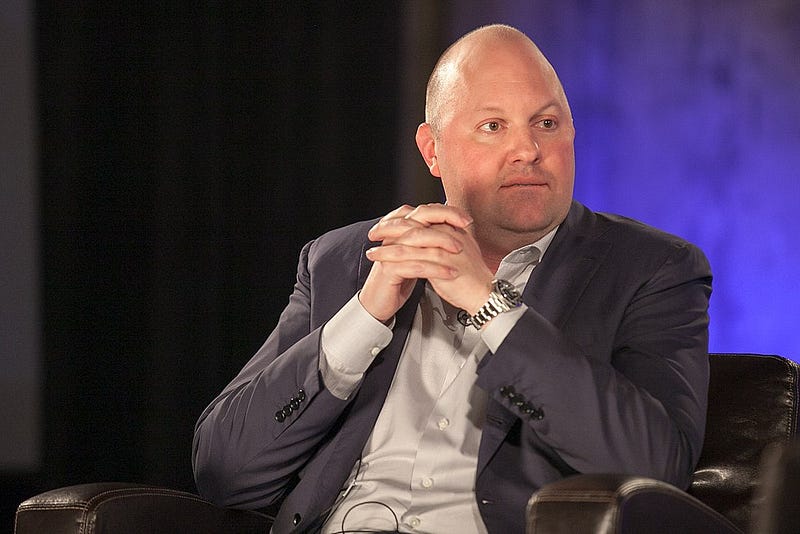
I do wonder if Andreessen crossing the 50 years old barrier had something to do with his decision to quit.
Father Time comes for us all, and the older we get, the harder alcohol is on our bodies.
Many people who write about quitting booze on this site are in their 40s (myself included). I think, for many of us, the thing that finally pushes us to quit is that it’s no longer possible to ignore the negative physical effects.
The good news it that it doesn’t take all that long to start feeling a lot better.
As Andreessen notes:
“Since I stopped drinking, I feel much better. I don’t need as much sleep, but my sleep is better. I’m more alert through the day. I’m cogent and focused at all times. I have more energy when I exercise, and it’s easier to control my diet.
“It’s great, and I am super mad about it.”
He doesn’t avoid noting the challenges when you quit alcohol, either.
“I feel like the color has drained out of my evenings. Spending time with people is still fun, but now it’s hard to sit still and watch a movie or read a book and unwind at the end of a hard day. I’m more prone to just work until bedtime. Grump grump grump.
“Frankly, I don’t know what Elon is doing farting around with cars and rockets and Twitter, why doesn’t he solve THIS problem.”
I humbly offer this tip to Marc and anyone else struggling to fill all those extra hours you get when you quit alcohol: exercise.
Go hiking, play basketball or hockey, go to the gym at night like I do.
That’ll double up the health benefits you get from quitting booze and you’ll feel even better.
Friends, thanks so much for reading this post all the way to the end! If you enjoyed it, please give it some claps and comments so others can find it!
Get an email every time I publish so you don’t miss a story!


