
Small Gestures, Big Impact
Ways to Make the World a Better Place for Seniors — One Act at a Time
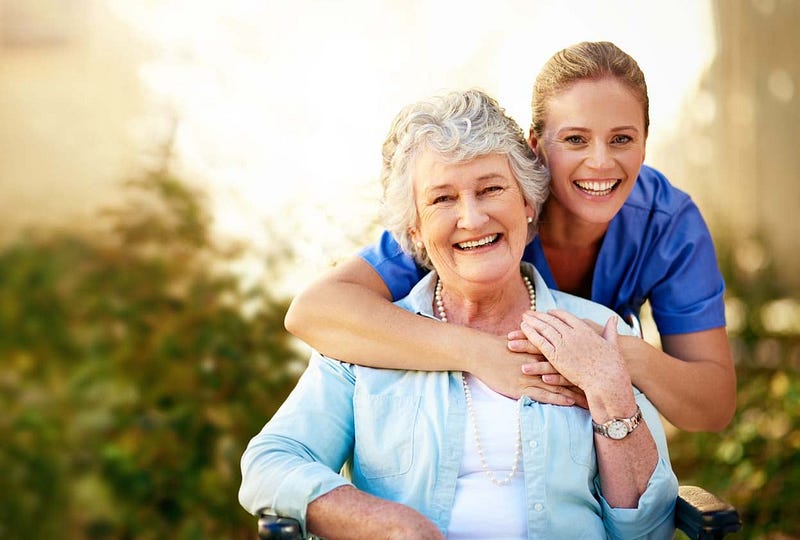
Without proper support, seniors may face a wide range of issues including limited mobility, chronic conditions, improper nutrition and feelings of loneliness. For example, older adults can have problems chewing or may take medications which interfere with their appetites. However, research shows lack of companionship may be the biggest challenge. Small gestures, like these simple acts of kindness, can go a long way toward improving a senior’s day.
_____________________________
By 2050, the senior population (adults age 65 and older) will be more than double that of the world’s youngest citizens, and the number of people living beyond age 80 is expected to triple over the next 30 years.
As the aging population increases, some 11.3 million seniors are living alone, according to the Institute on Aging. In addition, women are twice as likely as older men to live by themselves.
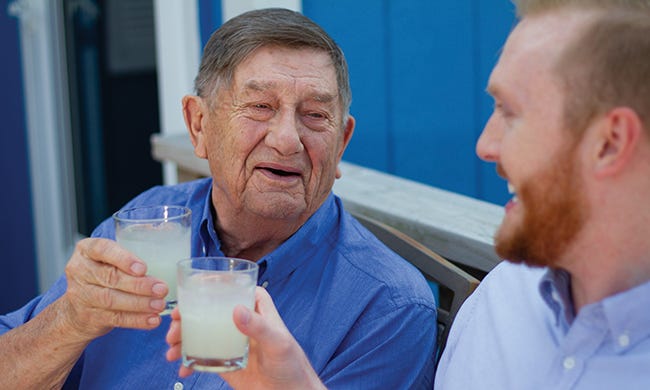
Without proper support, seniors may face a wide range of issues including limited mobility, chronic conditions, improper nutrition and feelings of loneliness. For example, older adults can have problems chewing or may take medications which interfere with their appetites. However, research shows lack of companionship may be the biggest challenge.
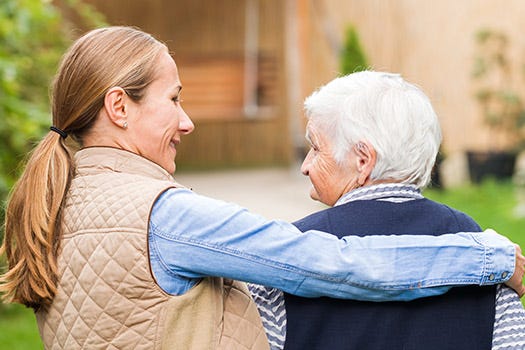
In fact, an AARP survey found 1 in 5 adults over the age of 40 were “socially disconnected,” which can impact health. People who reportedly experienced loneliness and isolation had lower mental well-being scores, and those who were dissatisfied with their level of social engagement were more likely to report a decline in cognitive function, as well.
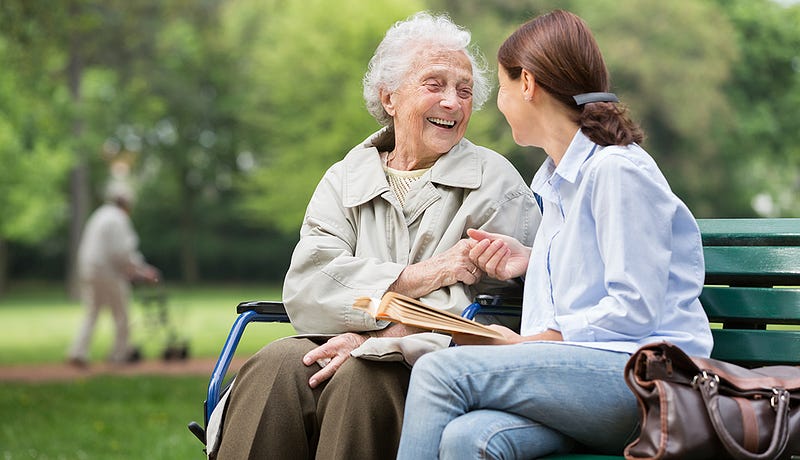
While anyone can benefit from a kind gesture, seniors are some of the most in-need members in many communities. There is likely a wide range of opportunities to enhance the lives of seniors in your area. Numerous programs and agencies exist to help you determine the best way to make a difference.
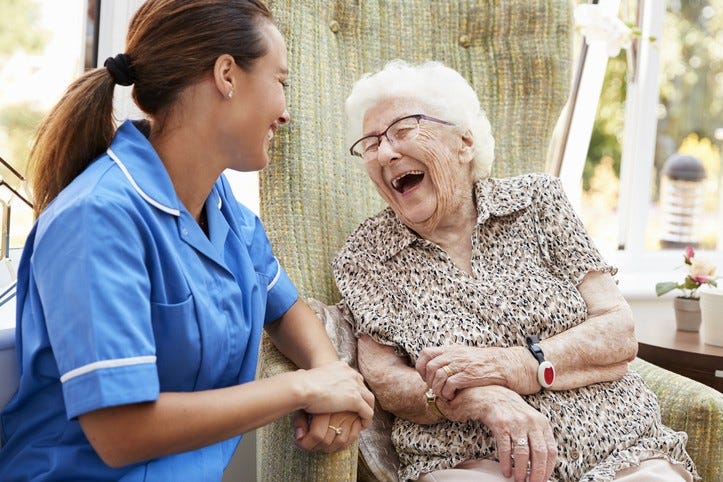
One example is Ready to Care, an initiative from Home Instead Senior Care that challenges people to complete weekly care missions. Each activity guides members through various ways to give to senior-related causes, learn about the aging crisis and issues impacting seniors, and serve seniors through small actions of kindness.
Most care missions are simple acts, such as opening a door, learning about Alzheimer’s or helping with a chore. Each week, a new mission is delivered to participants’ phones via text message.
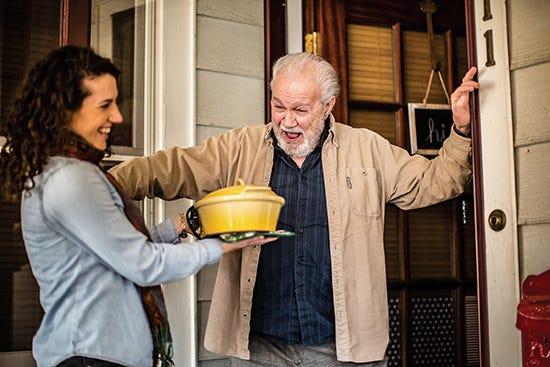
Small gestures, like these simple acts of kindness, can go a long way toward improving a senior’s day.
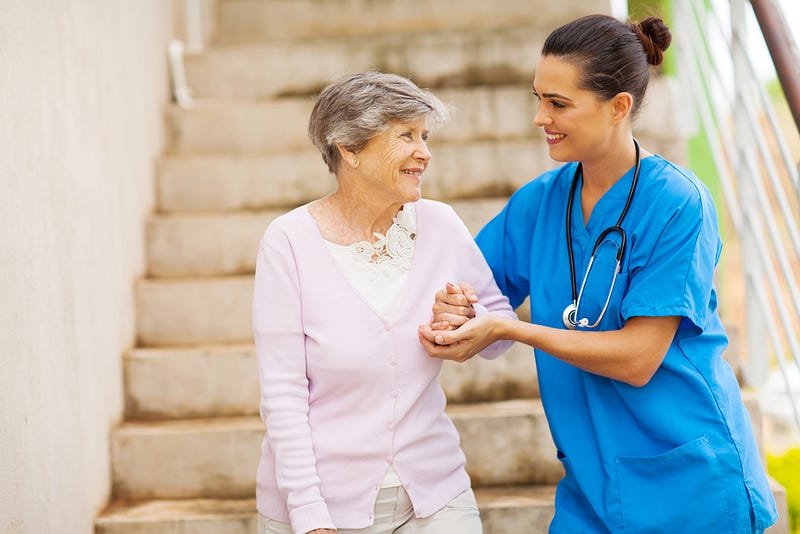
Physical assistance: Most seniors are eager to retain their independence, but everyday tasks can pose fall risks or require exposure to harsh weather conditions that can be dangerous to older adults.
- Offer to bring in the daily newspaper or mail.
- Mow their lawn or offer to help with other yardwork.
- Lend a hand in caring for pets, such as taking a dog for a walk or helping clean up waste from the yard.
- Offer moral support and a sense of physical safety by volunteering to join them on a walk.
Social support: Loneliness is common among seniors, especially those who live alone. Show seniors in your area they have a meaningful place in the community and options for companionship.
- Offer a friendly wave and say hello when you see them out.
- Invite them to dinner, either at your home or at a restaurant.
- Have your children or kids you know in the area draw pictures or write letters.
- Make a date for an afternoon or evening of entertainment, such as cards, a movie or board games.

Practical solutions: For various reasons, some seniors may be unable to complete everyday tasks. Offer a helping hand in their daily routines when possible.
- Lend your time to take them to run errands.
- Deliver baked goods or a home-cooked meal to improve access to nourishing foods.
- Help arrange for professional assistance and services, such as an audit to ensure homes are safe.

How You Can Help
Consider these simple ways you can help the aging population by taking action and learning about issues impacting seniors:
- Lend your voice. Be an advocate for change in public actions and medical research for the aging society. If you’re an expert by experience, share your knowledge about senior-related issues and public policy measures.
- Give from your heart. Less than 1% of charitable donations go to organizations that help seniors. Find senior-focused non-profits to give your next charitable donations to, such as one dedicated to raising awareness, inspiring change and accelerating progress in Alzheimer’s care and research.
- Get prepared to care. Educate yourself on issues that impact seniors and complete small acts of kindness for seniors in your life. Sign up for weekly care missions and find additional information to better equip yourself to care for seniors at imreadytocare.com.
- Give your time. Volunteer with local non-profit organizations that help seniors or offer support related to senior-affiliated issues.
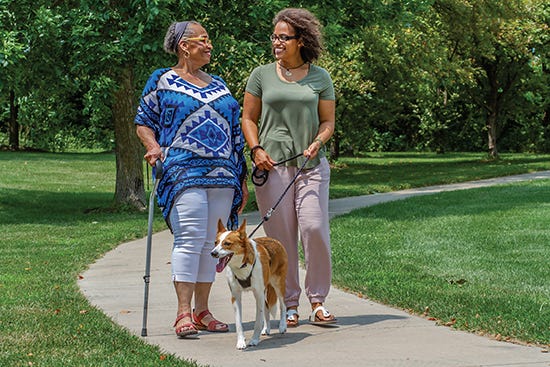
To find more ways you can care for the seniors in your community, visit imreadytocare.com. (Family Features)
Originally published on The Idea Publishing at http://www.theideapublishing.com/seniorideas/ways-to-make-the-world-a-better-place-for-seniors.


