
Small Changes Lead to Large Rewards
How to manage and reduce stress to live a longer more abundant life
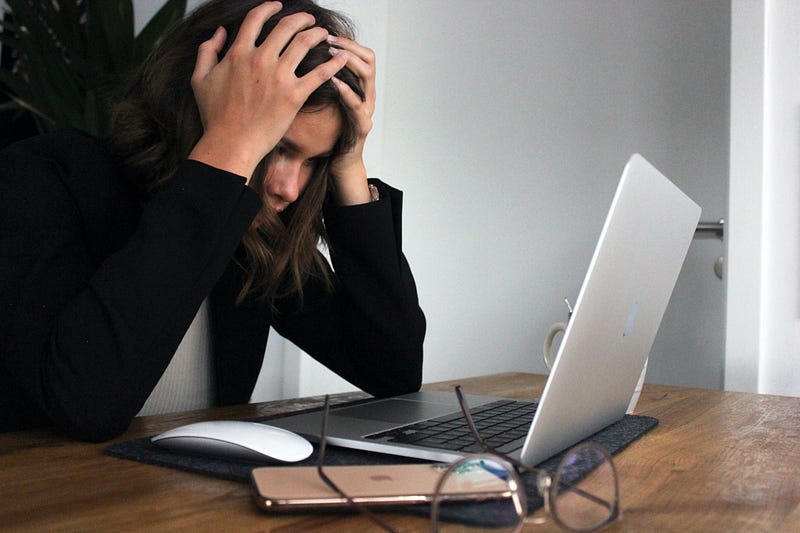
Stress is one of the most common words in our present-day vocabulary and is used to describe a vast array of emotions. Stress is not caused by an actual event itself, but by how we respond or interpret that event.
Stress can actually be a good motivator in some cases to meet a deadline or perform at peak levels. Good stress motivates us to achieve our highest levels of performance.
Dr. Hans Seyle calls negative stress distress which causes negative effects both physically and mentally. This negative stress is associated with what we now know as the fight or flight state. During the time of the caveman, this was critical to our well-being for survival. In today’s world most likely, our thoughts are distorted, and we do not really need to be protected from imminent danger.
It is important to recognize the physical signs of stress and then the mental symptoms as well. Once you recognize and are aware you can then learn how to control and break those self-limiting behavioral patterns and manage the stress better.
Physical Symptoms of Stress:
- Dilated pupils
- Faster heart rate
- Increased blood pressure
- Muscular tension
- Butterflies in your stomach, maybe upset stomach
- Cold sweats
- Dry mouth
Mental Symptoms:
- Lack of concentration
- Procrastination
- Worrying about things you have no control over
- Brain fog
- Anxiety
- Irritability
- Frustration
- Feeling sad or worthless
Pay close attention to these feelings and patterns and notice if you are eating more or less, sleeping more or less, drinking, smoking, blaming others, or if your sleep habits change.
There are many stressors in life that are the cause of our stress. Some are internal and some external. Some external stressors include the environment we live in which might be smog, excessive crowds, noise pollution, or traffic. Social stressors such as human interaction with family, co-workers, and even social events. Life-changing events can bring about more obvious causes of stress such as the loss of a loved one, job loss, house fire, natural disasters, or being robbed. And then there are the demands of everyday life. Paying the bills, taxes, getting lost while driving, shuffling the kids to activities is all very stressful.
Internal stressors include:
- Excessive worrying
- Being negative
- Poor planning or time management
- Fearing failure
- Negative self-talk
Self Soothing Techniques to use when feeling triggered by stress. Having a plan of action to soothe yourself when stressed is a great way to relieve anxiety. My personal favorite is my breathing because it is my first defense and it activates the parasympathetic nervous system which slows my heart rate and lowers blood pressure immediately calming my nervous system. Other self-soothing techniques are:
- Go for a walk outside
- Listen to music
- Splash face with cold water
- Meditate
- Exercise
- Journal
- Bake
- Sing or dance
- Call a loved one
- Take a bath
- Make a gratitude list
- Listen to a podcast or comedy
- Clean the house
- Do something playful like go to the playground
Small Changes Equal Big Rewards
Identify the things you want to do in your life as well as the things you want and/or need to get away from.
- Think about what is holding you back from doing or not doing those things you would like to do.
- Talk it over with the people in your life
- If the decision is yours alone then give yourself permission
- Once you have made the decision, evaluate it regularly.
- Re-evaluate your priorities
- Cut back on unnecessary obligations. Learn to say no and allow it to be a complete sentence free from guilt.
- Give yourself permission to relax. Do things that are important to you.
Most people are too hard on themselves. Listen to the inner voice. Name it if it helps and put it in its place when you need to. It lies to you. Tell it to speak kindly.
Take a realistic approach and do not be afraid to negotiate tight deadlines with management. Ask for what you need. Encourage open communication and ask for feedback and honest criticism. Push back on peer pressure to work evenings and weekends and take your time back. Turn your phone and computer off when you get home and set firm boundaries.
Stress management and prevention
- Nutrition and diet. Eliminate processed foods, excess sugar, and fast foods. Try to eat as many organic fruits, vegetables, and whole grains as possible.
- Movement. Any daily movement you enjoy. Don’t even think of it as exercise.
- Get organized. Make a list of what you need to do the night before in the order of priority in which it needs to get done.
- Be prepared for stressful events and have self-soothing techniques prepared.
- Maintain a positive attitude and view things that happen as opportunities rather than disasters.
- When you face a difficult situation for which you have no control, learn to accept it rather than worry and stress over it.
- Insist on getting other family members to help with regular chores at home
- Find balance between work and home life.
- Maintain good social support.
- Practice deep breathing, relaxation, and meditation.
- Stay on a regular sleep pattern getting 6–8 hours of uninterrupted sleep each night.
Take Away
There will always be stress in life, but how me manage it is what matters most.
- Recognize internal and external stressors
- Recognize Mental and physical symptoms
- Have self-soothing techniques ready for when you are triggered
- Practice stress management and prevention techniques
Thank you for reading this. I hope it helps reduce the stress in your life. Chronic stress can lead to life-threatening illnesses and decrease the quality of life drastically. You are worthy of living the life you love.


