avatarMotaz Majed "My To-Do List is Laughing at Me!!!"

Free AI web copilot to create summaries, insights and extended knowledge, download it at here

2367

Abstract

figcaption>Photo by <a href="https://unsplash.com/@brett_jordan?utm_source=unsplash&amp;utm_medium=referral&amp;utm_content=creditCopyText">Brett Jordan</a> on <a href="https://unsplash.com/photos/7u2HFQnNcx4?utm_source=unsplash&amp;utm_medium=referral&amp;utm_content=creditCopyText">Unsplash</a></figcaption></figure><p id="71a7">One of the most important things I’ve learned about time management is the power of prioritization.</p><p id="711a">I used to try to do everything all at once, which inevitably led to burnout and disappointment. Now, I ruthlessly prioritize my tasks and focus on the most important ones first.</p><p id="1aec">This has allowed me to make progress on the things that truly matter and feel a sense of accomplishment at the end of each day.</p><h1 id="85a9">Tip #2: Set boundaries</h1><p id="43ee">It’s easy to fall into the trap of working around the clock, especially when you’re passionate about what you do.</p><p id="7737">But I’ve learned that setting boundaries and taking breaks is crucial for productivity and well-being.</p><p id="ac85">By setting specific work hours and taking time for self-care, I’ve been able to maintain my energy and focus throughout the day.</p><h1 id="b544">Tip #3: Automate and delegate</h1><p id="a60d">There are certain tasks that simply don’t require my personal attention, such as administrative tasks or social media management.</p><p id="cd3a">By automating or delegating these tasks, I free up time and mental energy to focus on the things that only I can do.</p><p id="a89e">This has allowed me to be more productive and efficient in my work.</p><h1 id="3116">Tip #4: Practice mindfulness</h1><figure id="8fbb"><img src="https://cdn-images-1.readmedium.com/v2/resize:fit:800/1*jz89KdazGH3kGr2LkmngFQ.jpeg"><figcaption>Photo by <a href="https://unsplash.com/de/@processingly?utm_source=unsplash&amp;utm_medium=referral&amp;utm_content=creditCopyText">processingly</a> on <a href="https://unsplash.com/photos/2pUP1Ts1bmo?utm_source=unsplash&amp;utm_medium=referral&amp;utm_content=creditCopyText">Unsplash</a></figcaption></figure><p id="d7ac">As someone who tends to get easily distracted, mindfulness has been a game-changer for me.</p><p id="ed7c">By taking a few minutes each day to focus on my breath and be present in the moment, I’ve been able to reduce stress and improve my ability to con

Options

centrate.</p><p id="f96f">This has made me more productive and less likely to get sidetracked by irrelevant tasks.</p><h1 id="d46a">Tip #5: Use time-tracking tools</h1><p id="4e72">It’s easy to lose track of time when you’re busy working on a project. That’s why I use time-tracking tools to help me stay on track and accountable.</p><p id="b79a">By setting a timer for each task, I’m able to work more efficiently and avoid distractions.</p><h1 id="dfee">Tip #6: Batch similar tasks</h1><figure id="10d0"><img src="https://cdn-images-1.readmedium.com/v2/resize:fit:800/1*1wWvT98-ferM0eES4czTTQ.jpeg"><figcaption>Photo by <a href="https://unsplash.com/@kierinsight?utm_source=unsplash&amp;utm_medium=referral&amp;utm_content=creditCopyText">Kier in Sight</a> on <a href="https://unsplash.com/photos/nNWb8lN1bqw?utm_source=unsplash&amp;utm_medium=referral&amp;utm_content=creditCopyText">Unsplash</a></figcaption></figure><p id="6d14">Another way I optimize my time is by batching similar tasks together. For example, I’ll set aside a block of time to respond to emails, rather than checking my inbox every few minutes throughout the day.</p><p id="f85c">This allows me to focus on the task at hand and avoid multitasking, which can be counterproductive.</p><h1 id="91f2">Tip #7: Learn to say no</h1><p id="f86b">Perhaps the most difficult but important tip for time optimization is learning to say no.</p><p id="00e3">It’s easy to overcommit and take on more than you can handle, but this only leads to burnout and disappointment.</p><p id="946b">By learning to say no to non-essential tasks and commitments, I’ve been able to focus on the things that truly matter and maintain my productivity and well-being.</p><h1 id="171b">In conclusion</h1><p id="a969">Time optimization is about making small changes that have a big impact.</p><p id="a54e">By prioritizing ruthlessly, setting boundaries, automating and delegating tasks, practicing mindfulness, using time-tracking tools, batching similar tasks, and learning to say no, I’ve been able to go from feeling overwhelmed to becoming on top of my game. I hope these tips can help you do the same.</p><p id="6308"><i>Disclosure I wrote this story manually, and I used chat gpt to rewrite it in a more engaging manner in order to expand and vary the content. hope the content would be enjoyable.</i></p></article></body>

Small Changes, Big Results: How I Optimized My Time

From Overwhelmed to On Top: 7 Tips for Time Optimization That Worked for Me

Photo by Phil Desforges on Unsplash

I used to be someone who was always running late, missing deadlines, and feeling constantly overwhelmed by my to-do list.

I would often find myself wasting time on unimportant tasks, leaving me with no time for the things that truly mattered to me.

But over time, I learned that by making small changes to my daily habits and routines, I could achieve big results in terms of time management and productivity.

In this article, I want to share with you the seven tips that helped me go from feeling overwhelmed to being on top of my game.

Each of these tips is something that I personally implemented in my own life, and I can vouch for their effectiveness.

Whether you’re a busy professional, a student, or a stay-at-home parent, these tips can help you optimize your time and achieve your goals.

So if you’re ready to say goodbye to feeling stressed and overwhelmed, and hello to a more productive and fulfilling life, keep reading to learn about my journey from overwhelmed to on top, and the tips that made it all possible.

As someone who has always had a lot on my plate, I know what it’s like to feel overwhelmed and stressed by the sheer volume of tasks that need to be completed. But as I’ve learned over the years, it’s not about doing more, but doing things more efficiently.

By making small changes in my daily routine and mindset, I’ve been able to optimize my time and get more done without sacrificing my mental health and well-being.

Tip #1: Prioritize ruthlessly
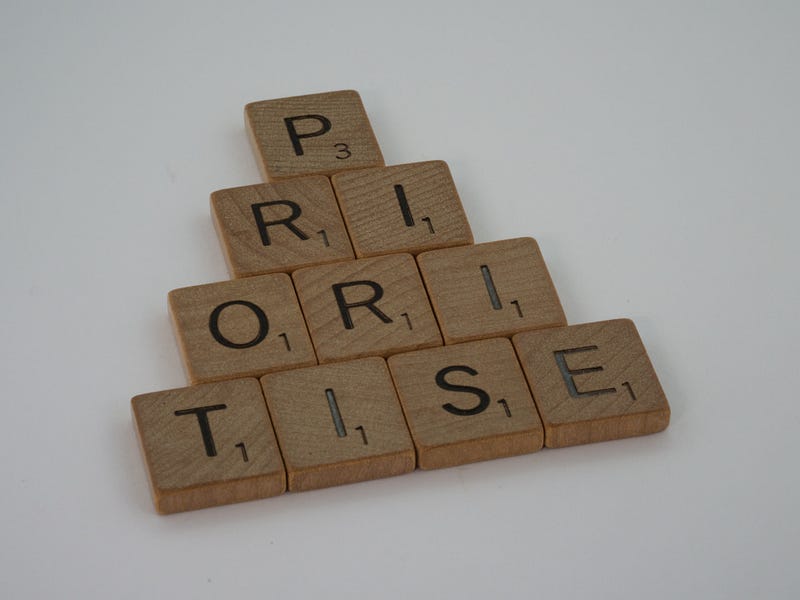
Photo by Brett Jordan on Unsplash

One of the most important things I’ve learned about time management is the power of prioritization.

I used to try to do everything all at once, which inevitably led to burnout and disappointment. Now, I ruthlessly prioritize my tasks and focus on the most important ones first.

This has allowed me to make progress on the things that truly matter and feel a sense of accomplishment at the end of each day.

Tip #2: Set boundaries

It’s easy to fall into the trap of working around the clock, especially when you’re passionate about what you do.

But I’ve learned that setting boundaries and taking breaks is crucial for productivity and well-being.

By setting specific work hours and taking time for self-care, I’ve been able to maintain my energy and focus throughout the day.

Tip #3: Automate and delegate

There are certain tasks that simply don’t require my personal attention, such as administrative tasks or social media management.

By automating or delegating these tasks, I free up time and mental energy to focus on the things that only I can do.

This has allowed me to be more productive and efficient in my work.

Tip #4: Practice mindfulness

Photo by processingly on Unsplash

As someone who tends to get easily distracted, mindfulness has been a game-changer for me.

By taking a few minutes each day to focus on my breath and be present in the moment, I’ve been able to reduce stress and improve my ability to concentrate.

This has made me more productive and less likely to get sidetracked by irrelevant tasks.

Tip #5: Use time-tracking tools

It’s easy to lose track of time when you’re busy working on a project. That’s why I use time-tracking tools to help me stay on track and accountable.

By setting a timer for each task, I’m able to work more efficiently and avoid distractions.

Tip #6: Batch similar tasks

Photo by Kier in Sight on Unsplash

Another way I optimize my time is by batching similar tasks together. For example, I’ll set aside a block of time to respond to emails, rather than checking my inbox every few minutes throughout the day.

This allows me to focus on the task at hand and avoid multitasking, which can be counterproductive.

Tip #7: Learn to say no

Perhaps the most difficult but important tip for time optimization is learning to say no.

It’s easy to overcommit and take on more than you can handle, but this only leads to burnout and disappointment.

By learning to say no to non-essential tasks and commitments, I’ve been able to focus on the things that truly matter and maintain my productivity and well-being.

In conclusion

Time optimization is about making small changes that have a big impact.

By prioritizing ruthlessly, setting boundaries, automating and delegating tasks, practicing mindfulness, using time-tracking tools, batching similar tasks, and learning to say no, I’ve been able to go from feeling overwhelmed to becoming on top of my game. I hope these tips can help you do the same.

Disclosure I wrote this story manually, and I used chat gpt to rewrite it in a more engaging manner in order to expand and vary the content. hope the content would be enjoyable.

Time Management
Productivity
Self Improvement
Reading
Success
Recommended from ReadMedium