
Smack My Face With A Wet Haddock
A Solution to the Covid Blues
“Cheer up, you look as if someone had smacked your face with a wet haddock.”
My grandmother looked at me, one of those piercing looks that made you sit up straight and pull yourself together; if you didn’t, you knew she would throw the wet dishcloth at you.
“I’m alright. I’m just a bit fed up” was my usual, stock reply.
I remember those precious moments with my grandmother, in the small steamy kitchen of her minute house, one of many similar properties, two rooms on the ground floor and two bedrooms above, that lay side by side in neat, brick-built rows in her street.
Many years have passed since then, and time has blurred the edges of many of my memories but with crystal-clear clarity, I can still recall my grandmother in her kitchen ready to launch the soaking wet dishcloth if I didn’t ‘buck myself up.’
Like many, the experience of living with COVID-19, the virus that has maimed and killed, deaths that may have been avoided if some governments had acted sooner, has been an arduous, daily struggle to maintain a semblance of normality.
Now, after twelve months of living, existing in an enclosed, reduced reality, the situation is beginning to stifle and smother me with its faceless threats.
But I count myself fortunate that I live in a rural location, a coastal shoreline nearby, a nature reserve virtually on my doorstep from which I can watch migrating geese noisily pass overhead looking for a place to end their long journey.
I have been able to isolate almost a complete severance from humanity, without suffering any serious financial hardship. And yes, so far, I have maintained my good health.
I am indeed fortunate, fully aware that many are mourning the loss of a loved one.
My childish complaint about being a ‘bit fed up’ was always answered by my grandmother with her specific solution to the problem.
She would lean back on the old kitchen cupboard, her thin legs covered with thick, black stockings, her eyes bright with wisdom, and look at me with some annoyance. Then, with her quiet voice, she would say.
“Find something to occupy yourself and give it everything you’ve got for at least an hour. That will take your mind off your fed-up-ness.”
Of course, she was right.
The Covid pandemic has forced many of us to reassess our daily routines. The time that had been spent at our place of work has now become like an empty vessel that begs to be filled with some kind of meaningful activity.
Admirably, many of us have decided to learn new skills, to use the opportunity to improve ourselves in some way.
But we can still get the odd bout of the Covid Blues, that deflated mental state of lethargy, tinged with a streak of sadness, the flimsy foundation of the beginning of depression if we let ourselves slide in that direction.
“Find something to occupy yourself and give it everything you’ve got for at least an hour. That will take your mind off your fed-up-ness.”
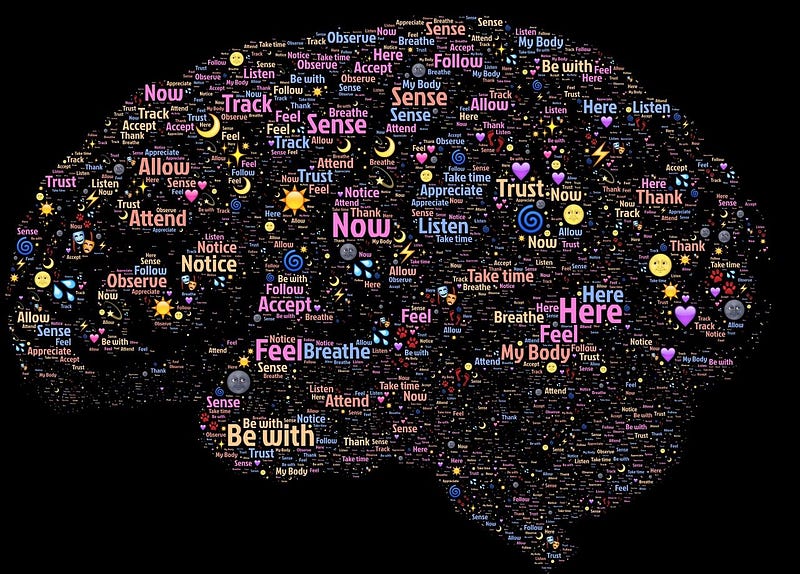
It helps because it is a form of mindfulness, giving the object of attention one hundred percent of your being for just a brief period. The effort drives out negative thoughts, those damaging cycles of mentation that can only harm your well being.
Try it.
Next time you are feeling low, make a decision to focus completely on your chosen activity — something positive and creative — exclude all other distractions and just experience fully that moment. This action will gradually neutralize your negative thoughts.
You will no longer look as if you had been smacked in the face with a wet haddock.
Keep safe.


