
Slow Travel — What Is It And Why We Need It.
Disconnect to Reconnect. Enjoy the World More.
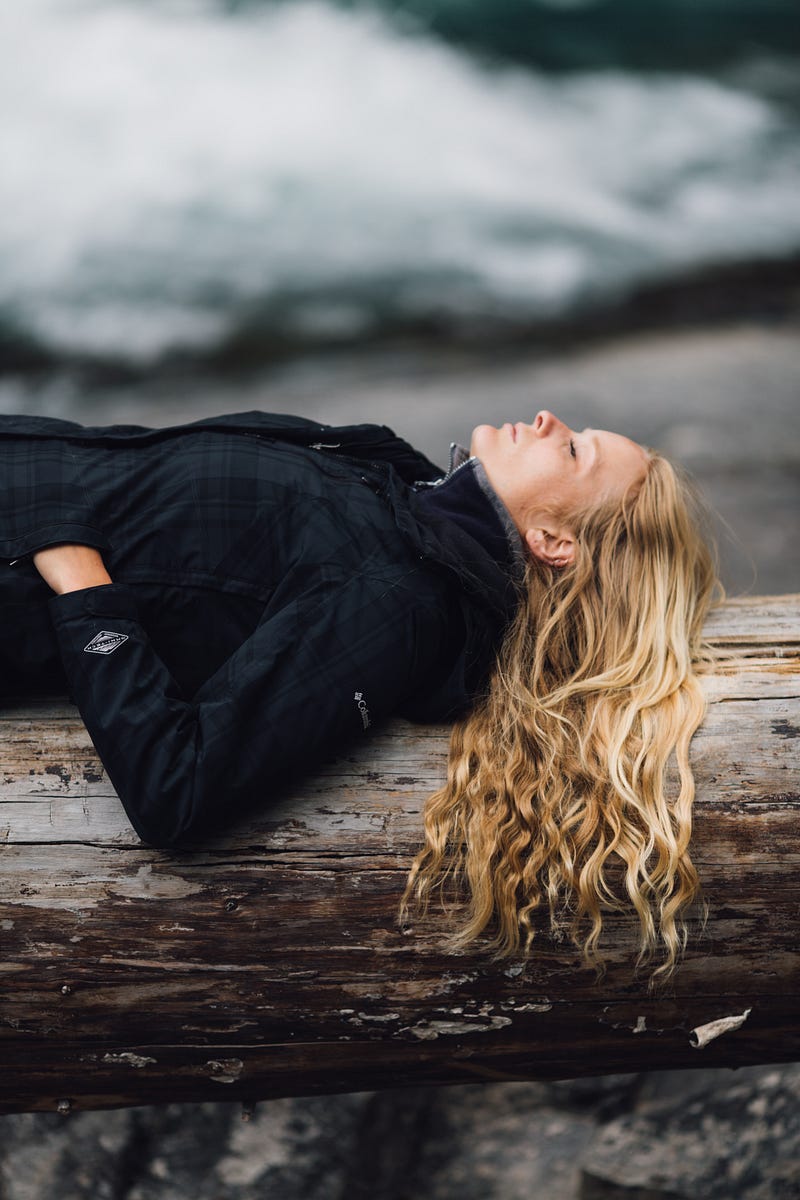
One of my favorite travel memories happened while I sat on bench.
I was somewhere new. It was sunny outside.
Birds were chirping from somewhere.
I was enjoying a cup of coffee as random people walked by.
That was it.
It was a simple experience that didn’t last too long, maybe twenty minutes at most. It left an impact on me, though.
Why? It wasn’t the bench. The coffee was delicious but nothing out of this world.
It was the stillness. It was the lack of personal distractions. It was the feeling of being part of this new city I was in. For a few minutes I felt like I belonged here. We were connected.
When people walked by, we shared a brief experience. The experience was enjoying the scenery and being part of the same environment.
It was an ordinary day and it seemed like everyone was doing their day-to-day routine. Or maybe they weren’t. Maybe these people we just like me, a foreigner just passing through. Whatever each person’s story was, we all belonged here. Even more, life continued at its normal speed. I could sense the seconds go by. Despite being so simple, it was also extraordinary.
I would later discover that this experience was part of a renewed style of traveling.
Welcome to slow travel.
What is slow travel?
Slow travel compares to modern travel as the slow food movement does to fast food. It’s a response to the ever increasing speed of how life is going. In a time when everything’s become so fast, time-saving, and convenient, slow travel is a return to the way things used to be. Inspiration for the article came from a different one in Condé Nast Traveler. According its author Sebastian Modak:
“Slow travel means tamping down our own built-in, conditioned obsessions with time and allowing the world to move just a little slower so that we can actually notice it.”
In other words, slow travel is stopping to smell the roses. The same article goes deeper: Slow travel actually isn’t new — it was the original way people traveled for thousands of years. As technology like cars, trains, and planes developed, so did our desire to be fast.
Whether we’re abroad on vacation, taking a weekend trip, or simply in our hometown, it’s hard to not find ourselves thinking about the next thing. The next chore. The next place on our bucket list. The next point of our itinerary.
I admit that I fall into this mindset everyday.
Life is more than checking things off our list. We need to actually slow down and enjoy what’s around us too.
How can you slow travel?
Slow travel can take any form we want. The root of it is moving slower and being more mindful of where we are.
By moving slower, maybe we take a bus or train to our destination rather than fly. It can be walking, biking, or scootering rather than driving. It can be fancy, glamorous, and expensive. Or, it can be darn right simple and minimal. It doesn’t have to be a long, extended journey either.
There’s no correct formula to slow travel, just disconnecting to reconnect with the place you’re at.
“It comes down to how you engage with the world as you move through it.” -Sebastian Modak
The goal is to connect with wherever we’re at. Going slower allows us to understand and actually think about what we’re experiencing. Joana Dickinson from Hospitality Insights mentions a transition from consumeristic behavior to purposeful experiences. It’s moving from bucket lists to connecting with the local culture, the people, and perhaps even contributing to the place you’re visiting.
Purposeful experiences may also be volunteering, supporting local businesses, or making conscious decisions that don’t negatively impact your destination.
Why I am a fan of slow travel
For many years I spent lots of energy sharing photos of my trips on social media.
I’d take photos, upload them on various platforms, and feel a sense of fulfillment whenever people would “like” them.
Little did I know, that emotion was fleeting.
Eventually I became obsessed.
Each photo needed to be unique, creative, and original.
It soon became an endless quest “feed the ‘gram (Instagram).” I hit a brick wall. All of the time looking for things to photograph, editing photos, and thinking of a clever caption did something:
It made me actually less connected with the place I was at. Even more, it created a emotional wall between me and the people who I was with.
Rather than enjoying the moment, talking, or simply just absorbing the destination, I was plugged to my phone. Going even deeper, I realized that many of my photos weren’t genuine. They were just me trying to seem witty or creative.
Something needed to change.
I slowly let go of the urge to keep sharing on social media. Rather than think of the perfect shot, I took a deep breath and I simply decided fully to be where I was. No distractions. No more stress.
Soon I began noticing more little things around me. There no longer was pressure.
Reading about slow travel inspired me to keep disconnecting to order to reconnect. Instead of looking for the perfect photo on IG, I look for the best views to just enjoy the present moment.
So, coming back to that bench. I’d found my way of slow traveling. It was a warm drink, serene views, and taking in my surroundings.
If you want to change the way you see the world, consider slow travel.
***
Thanks for reading! I’d like to hear from you. Have you tried slow traveling before? What did you like and dislike about it?