avatarDeborah-Wildlife Photographer

Free AI web copilot to create summaries, insights and extended knowledge, download it at here

841

Abstract

s take certain types of cameras and settings, depending on the type of work, such as studio photography.</p><p id="05b0"><b>But I am talking about wildlife/nature photography, and I will tell you a simple truth.</b></p><p id="7959">I have created images of fine art by using nothing more than a toy camera, my iPhone, or some other nonimpressive photographic equipment.</p><figure id="d70a"><img src="https://cdn-images-1.readmedium.com/v2/resize:fit:800/1*eJCHlZ9geLcOU8XQzhvlTg.jpeg"><figcaption>© Deborah Kunzie Photographer</figcaption></figure><p id="d913"><b>Why do I categorize it as “fine art”?</b></p><p id="315e">Because it sold as such. I have never sold any of my work based on what equipment I used to make the photograph. It was only about me, the space I was in and being content watching and waiting for the <i>“light”</i> to

Options

show me something outstanding.</p><figure id="4d3c"><img src="https://cdn-images-1.readmedium.com/v2/resize:fit:800/1*kooQaWbuesJgU2tTjBdubw.jpeg"><figcaption>© Deborah Kunzie Photographer</figcaption></figure><p id="f5ce">I found that following these three simple practices helped me in my work, in my photography, and in life. It’s not so easy. It takes time. Brick by brick, building from the inside out, starting right where I happened to be standing.</p><figure id="6ce8"><img src="https://cdn-images-1.readmedium.com/v2/resize:fit:800/1*xpZSTVN7UKZGsu-IH4LB3A.jpeg"><figcaption>© Deborah Kunzie Photographer</figcaption></figure><p id="a719">And then, it's the knowing that there are no perfect conditions, no quick fixes, and it's OK to make mistakes.</p><p id="4518">Only showing up and starting again if need be.</p></article></body>

Slow Down, Observe the Surroundings, Watch for the Light
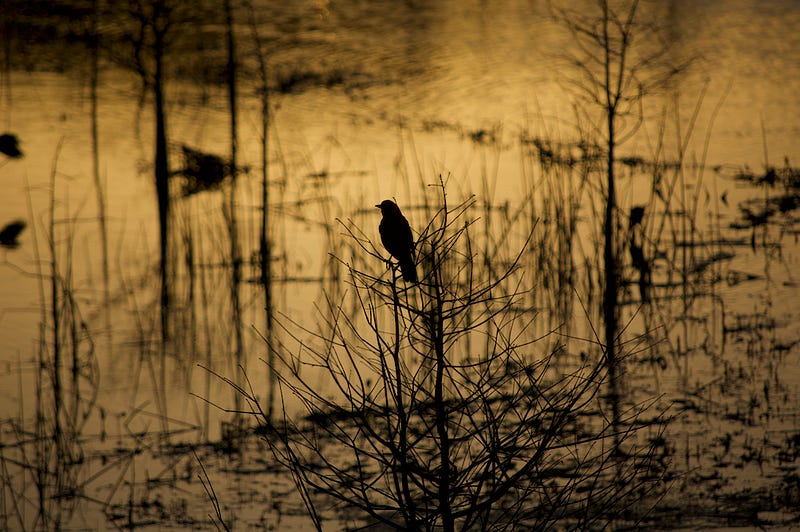
© Deborah Kunzie Photographer

Nature Photography, much like anything creative, requires time, the slowing down process, patience to observe the surroundings, and commitment to pay attention and watch for the perfect light.

During my life as a photographer, I have been asked numerous times, what equipment do you use? What settings did you use? How did you get the shot?

My answer remains constant: It’s about slowing down, observing, and waiting and watching for the right light.

It’s not the equipment. But yes, I agree at times it does take certain types of cameras and settings, depending on the type of work, such as studio photography.

But I am talking about wildlife/nature photography, and I will tell you a simple truth.

I have created images of fine art by using nothing more than a toy camera, my iPhone, or some other nonimpressive photographic equipment.
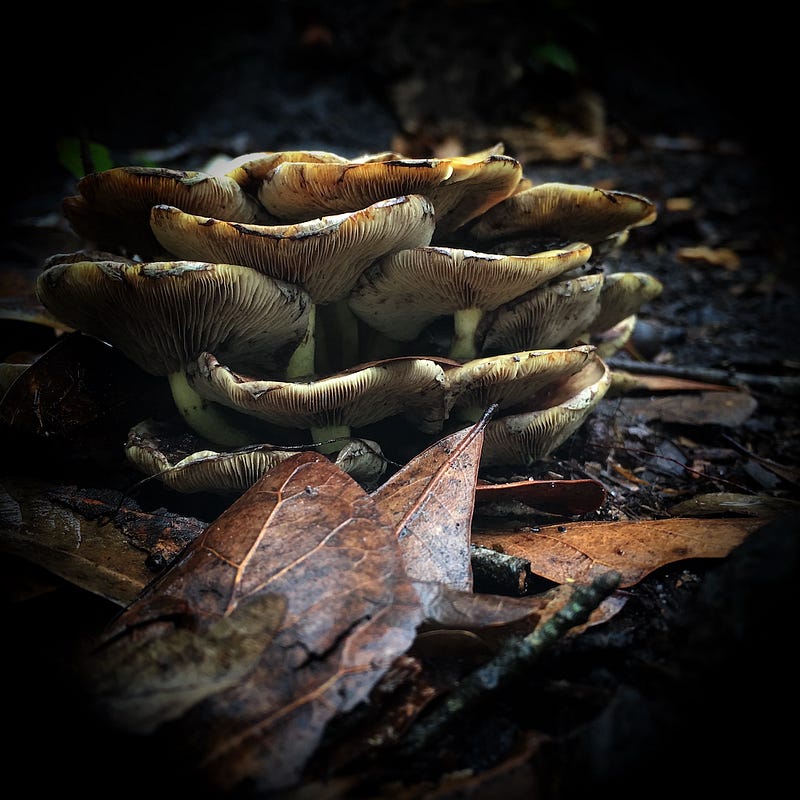
© Deborah Kunzie Photographer

Why do I categorize it as “fine art”?

Because it sold as such. I have never sold any of my work based on what equipment I used to make the photograph. It was only about me, the space I was in and being content watching and waiting for the “light” to show me something outstanding.
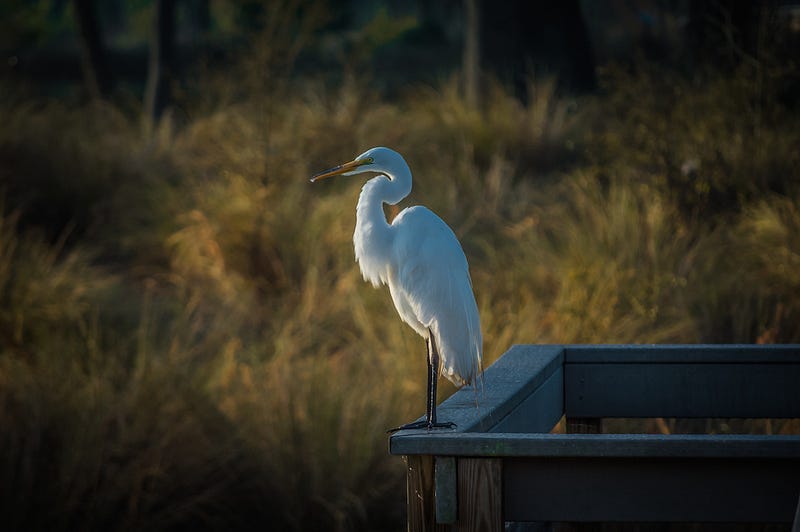
© Deborah Kunzie Photographer

I found that following these three simple practices helped me in my work, in my photography, and in life. It’s not so easy. It takes time. Brick by brick, building from the inside out, starting right where I happened to be standing.
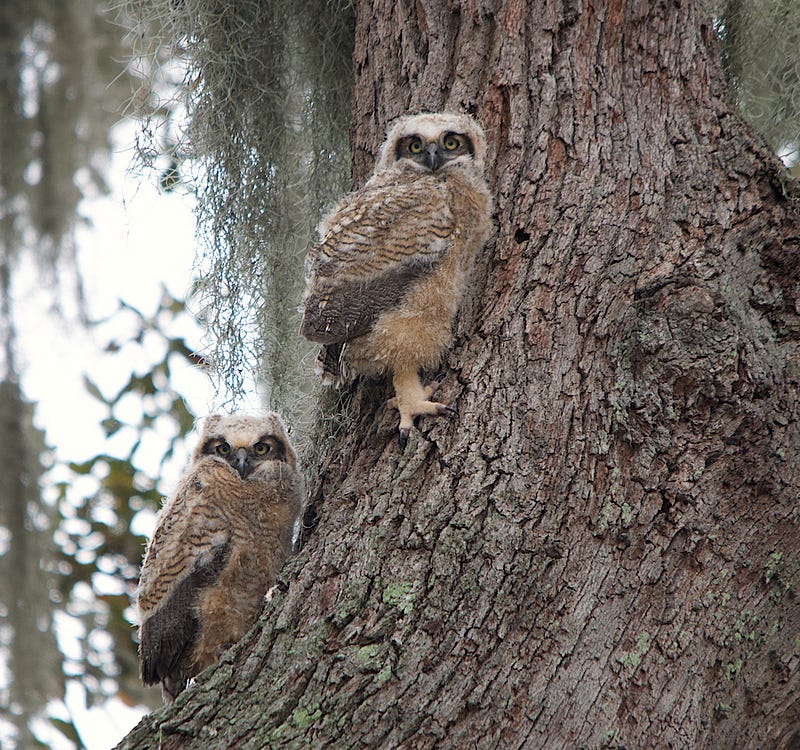
© Deborah Kunzie Photographer

And then, it's the knowing that there are no perfect conditions, no quick fixes, and it's OK to make mistakes.

Only showing up and starting again if need be.

Photography
Zen
Nature Writing
Photographer
Writing
Recommended from ReadMedium