

Sleep Is Actually Pure Productivity
Whatever our present-day societies might say
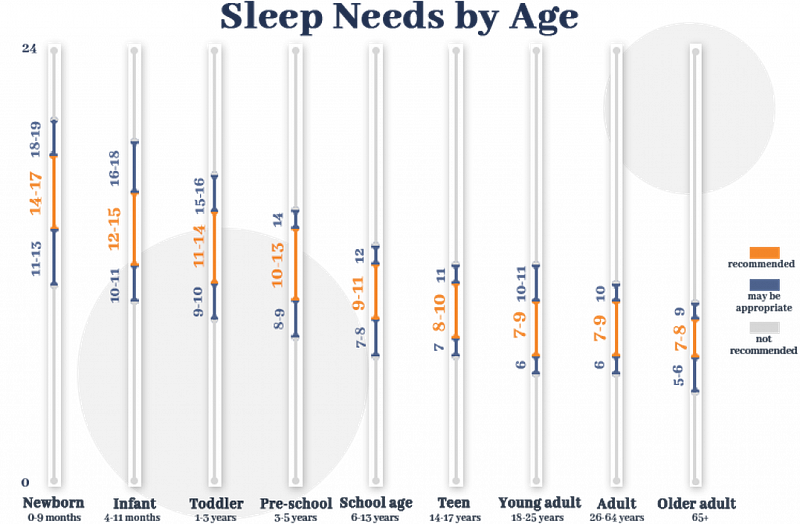
The whole world is sleep-deprived. While it is recommended to sleep 7 to 9 hours a night, no country in the world actually manage to get 8 hours of sleep on a regular basis.
A study led by ScienceAdvances analyzed people’s sleeping time throughout the world, using smartphone data. It came out that the longest sleeping time happens in New Zealand, with an average of 7:30 hours a night. The largest number of yawns occurs in Japan, with 5:59 hours a night.
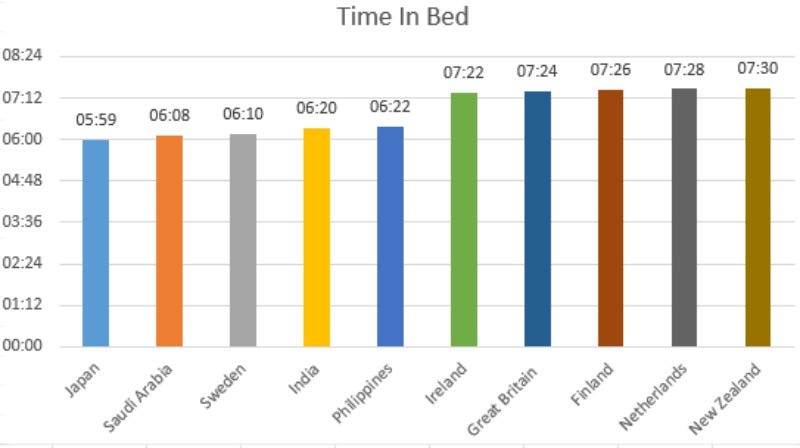
All collected, these statistics highlight a worldwide sleep debt, with an average of 7 hours and 2 minutes a night spent in bed. A number barely scratching the surface of the recommended hours of sleep.
“Sleep deprivation is similar to alcohol intoxication.” — Sleep Cycle
“30% of adult U.S. population suffer from Insomnia and 10% from chronic Insomnia, making it the most common sleep disorder.” — National Center for Biotechnology Information
“20% of teenagers get less than 5 hours of sleep, while average amount is 6.5 hours.” — Scientific American
“Almost 20% of all car crash accidents and injuries are associated with sleepiness.” — National Center for Biotechnology Information
“Over 4% of U.S. adults (age 20 and over) said they took some sort of medications or sleep aids in the last 30 days.” — Centers for Disease Control and Prevention
This worldwide lack of sleep is a real issue, considering what sleep deprivation can do to a human organism. Besides making one feeling groggy and grumpy, the long terms effects are real. According to Healthline, lack of sleep is the cause of the followings:
- Memory issues
- Trouble with thinking and concentration
- Mood changes
- Accidents
- High blood pressure
- Weakened immunity
- Risk for diabetes
- Weight gain
- Low sex drive
- Risk of heart disease
- Poor balance
In the long run, it can also cause impulsive behavior, anxiety, depression, paranoia, and even suicidal thoughts.
Sleep is actually pure productivity
One of the main reasons why our society is sleep-deprived lies in the way sleep is perceived. People who sleep a lot are often seen as lazy, while people who sleep less are considered hard-working and successful. Moreover, more and more people try following morning routines such as getting out of bed earlier and earlier to build a “productive” routine. But this only works if you get to bed earlier, what most people don’t do because they can’t.
Because if most people lack sleep, it is not really by choice. The modern human is constantly torn between busy work schedules, taking care of family, maintaining a social life, and keeping a “healthy” lifestyle which means finding time to work out. As a result, fewer and fewer hours are available for sleep, which often finds itself relegated to secondary status.
In these conditions, getting enough sleep requires an ironclad organization. But the stakes are worth it. Because sleep is actually pure productivity.
Over time, as a freelancer, I have often tried to get up very early to sit in front of my laptop and work. While it is true that the work gets done earlier, it quickly and frequently appeared that it was not the best solution at all. I found myself sleepy and I had all the troubles in the world staying “productive” for a long time.
As a result, I completed some work earlier, but I was unable to do anything more after a few hours while being grumpy and feeling drained.
Then, I tried taking the other way around. I decided to wake up naturally, with my biological schedule as my only alarm. I found myself waking up around 9 everyday, feeling refreshed and in a good mood. I quickly got into the habit of getting to work right after breakfast and noticed that my approach to work had completely shifted. I even felt it as really pleasant, which led to longer hours of work without having to force myself to do so.
Trusting my biological schedule to wake up made me want to trust it for my working pace as well. I found out that I was way more eager to work in the morning, while I used the afternoon to have a walk or do physical work. I also scheduled a quick work-out in the late afternoon. In the evening, my productivity comes back, and I can add a few hours to my daily work time.
Even as a workaholic, I am now deeply convinced that sleep is everything but a loss of time. To me, sleep is actually pure productivity, and I won’t neglect it anymore.
You may also like: