Sleep Deprivation is Not Your Friend
The toll of not sleeping enough is much higher than the benefit of staying awake
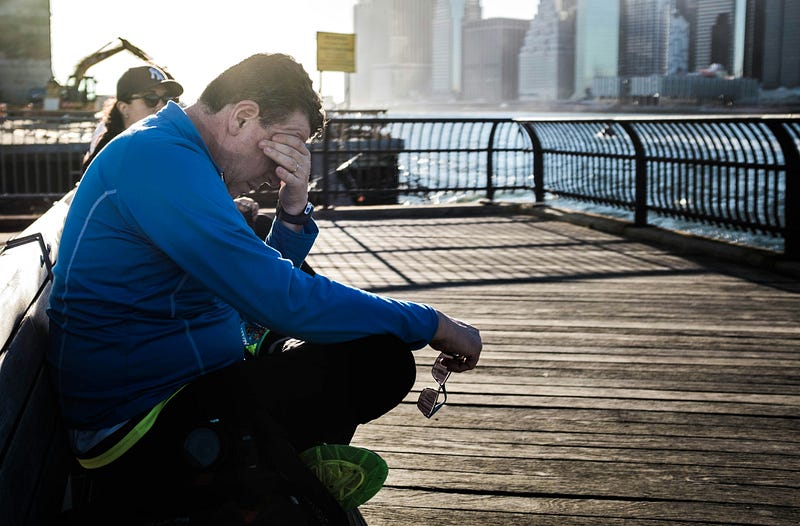
From time to time, each of us needs to finish an urgent task, play one more level of our favorite video game, or hang out with friends at a party until late night hours.
And sometimes we do all these things even though we know we need to get up early the next day, leaving us with only a few hours of sleep, if any.
While it might be beneficial occasionally to cut back on sleep to give ourselves a little more time for activities, it is not wise to do it too often.
Why, you ask?
Well, not only do we, like any living being, need to rest from time to time, but we also need to let our brains do all the necessary calculations and processes that occur during sleep.
If we go without sleep for several days in a row, we can expect hallucinations, a decline in cognitive skills, and additional negative responses from our bodies.
Not sleeping for even a bit longer than several days can lead to death.
But we need not go that far; when we postpone sleep, we can feel the negative effects pretty quickly.
It is not only us, humans, who need to sleep regularly. In fact, every living being that has evolved a brain to some size needs to switch off regularly.
Sure, we do not know that much about our own brains; it takes time to understand how they work properly, and the question is if we will ever understand all processes completely.
But we already know that during sleep, the brain detoxifies from some unwanted chemicals and performs other necessary processes that do not occur when awake.
Sleep is so iconic and significant for us that we even expect the same or very similar process to probably be present even for potential alien races, as depicted in many science fiction works.
I especially like how this was described in Andy Weir’s Project Hail Mary. And if non-humanoid aliens should even sleep, why should we try to avoid it ourselves?
Let’s take a look at several examples to what could happen when we lack a night of sleep. These ones are what I have experienced myself:
Long-term problems with sleep
When I was younger, sleeping only around 4–5 hours a day seemed more than enough for me. I did this for several years in a row, but I am unable to do it anymore.
As I have gotten older, I have realized that if I do not sleep at least six hours a day, a sudden need for sleep comes during the day, and I am unable to do anything at that time.
After several consultations with specialists in sleeping habits, it seems that this is probably caused by inducing long-term sleep deprivation back at the time, and as my brain “remembers” these periods of “sleep starvation” it learned how to prevent me from doing so.
So, most likely, my brain refuses to stay awake as long as it used to and simply starts switching the lights off whenever it feels it deserves to.
Visual artifacts
Several years ago, when I was still young and handsome, I went on a trip where I needed to deliver an urgent package. It was a drive to some place in Bucharest, about 1100km away from my starting point.
I started at the morning, drove there with some short pauses here and there, dropped off the delivery, and went all the way back.
Sure, it might seem a bit irresponsible, but whenever I drive somewhere, I have a rule that I never break — if I feel sleepy, I stop immediately and take a break.
However, strangely, I did not feel sleepy at all during the entire drive. So, I finished it all at once. Without a longer break or minute of sleep just under 24 hours later, I was back home.
After that, I had some more work to finish and tasks to do, I completed everything again the next morning. By that time, I had been awake for around 48 hours, and another strange thing happened.
I finally decided that it will be wise to get some rest as I felt sleepy for about half an hour. But before I finally get to bed, I felt fine again.
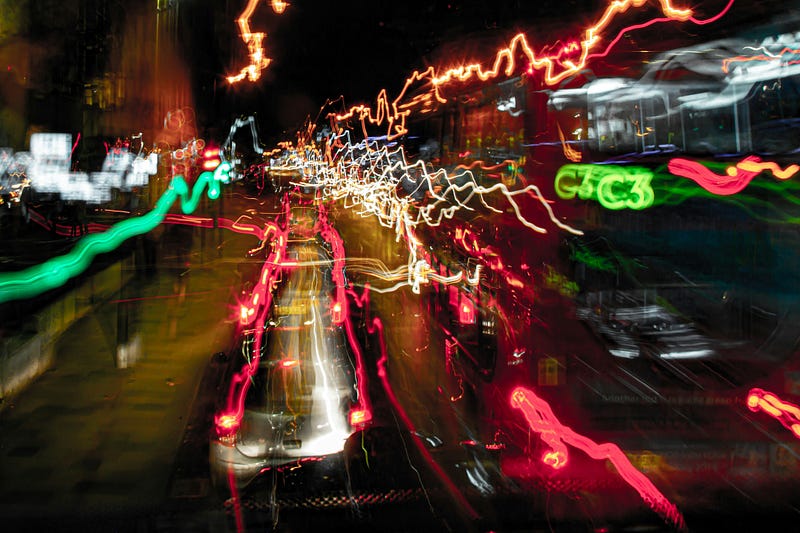
The need for sleep simply did not fully come, but I realized that I gradually had worse vision and that there were visual artifacts embedded in my view. No, I do not mean that I saw pink elephants and dancing mice. It was more like if you stared at a lightbulb for a while but with various colors.
A bit scary, isn’t it?
Changes in behavior, have a similar effect on alcohol
Just recently, I had a really rough week.
As I said, I am already unable to freely stay awake for 20 hours a day without expecting a negative response from my body.
Yet, as I needed to take care of several tasks that could not be postponed, I, without planning it or realizing it, ended up with only two hours of sleep a day for seven consecutive days.
My behavior gradually changed from day to day. I was able to focus on all the tasks less every day. If someone talked to me, my responses were unfortunately more rude and not directly to the point.
And I started to make more and more mistakes even on tasks that I take as routine. My mind was basically in a fog, as if under the influence of alcohol. But not the good influence, the bad side-effects of it.
Strangely, in opposition to standard tiredness, which I experience more often when I do not sleep much, I felt no need for sleep on the third and fourth days.
I think this is due to the fact that the whole time I was under some kind of pressure, and the need for sleep was compensated by adrenaline, or maybe a “need for speed” mindset :D.
However, when finally everything settled down, I was in such a devastated state that I was unable to do anything meaningful for two days in a row.
Good night and sleep well
The situations I described above are nothing new. I think every adult has experienced something similar at least once in their life.
We all know that sleep is required, and based on its quality, we could affect how we will feel and behave for the whole day.
Do not underestimate our natural need for sleep. It is good for you, and cutting back on it will take its toll in other areas.
Many times, the cost of not sleeping enough is much higher than the benefit of staying awake for a few extra hours.
Hi there! Could you help me write more stories like this? If you enjoyed this one, sharing it with your friends or posting it on social media would be amazing! ✨
Every comment is welcome, as your feedback helps me improve. And of course, thanks for reading — it truly means a lot!