
Skin Deep
The Beauty We See
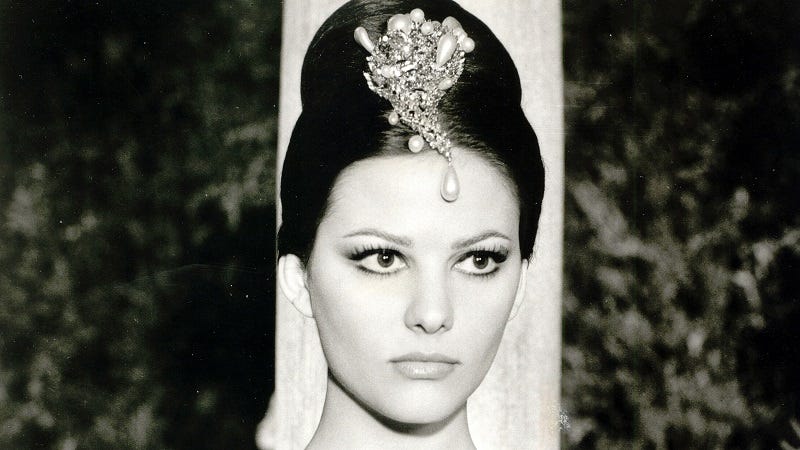
A face: bone, flesh blood, skin, teeth eyes, mascara beautiful, yes but why?
Beauty, the saying goes, is only skin-deep.
Really? I doubt it even runs that deep. I think it has zero depth. I don’t even think beauty exists, for what we consider beautiful sometimes does not hold up to logical scrutiny. Also, what some see as beautiful others see as ugly, while yet others remain indifferently unmoved.
I was about eight when my mom (who never was the thinnest person in the room) let me in on a secret: In Africa, she said, the fatter you are the more beautiful you are.
No way, said I.
Yes way, she said. African princes look for the biggest, fattest women they can find and then they marry them.
I’m having trouble reconciling things. Even though I’m just a kid, I know that the thinner you are the more beautiful. Don’t know where I picked this up, perhaps from pictures of Brigitte Bardot who at the time was considered the most beautiful woman on the planet. She was not fat — though she is now, a bit.
And here comes my mom and tells me that beauty varies. I had trouble with that. For me (and my classmates) beauty was an absolute: Brigitte Bardot or perhaps Doris Day. Or Claudia Cardinale. It didn’t take anyone’s opinion to beautify anyone. They either were beautiful or not — a built-in quality. That’s how God made them (women).
Then one grows up and this initial notion still holds true: so and so is very beautiful, plain as day. So and so is not — though in polite society we never voice this opinion, we just don’t marry such so and sos.
And then one grows up some more and then some more again and age sets in, and with it some odd questions: why is beauty beautiful? What, exactly, is beauty?
As I said, some concepts do not stand up well to scrutiny, and beauty seems to be one of them. A face, even one we consider beautiful, objectively viewed is just bone, flesh, blood, skin, teeth, eyes, mascara, what have you, assembled under the direction of DNA.
Early on this face is cuddly.
Later on it’s cute.
Later on it’s pretty.
Later on it’s attractive, kissable.
Later still it’s beautiful.
Later still perhaps even ravishing.
But later still not so much — acceptable perhaps, disagreeable perhaps, for what’s with all the wrinkles and drooping eyes?
And later still, some will use words like unattractive, ugly even.
And as the years march on and death comes up the drive, we don’t even think in terms of beauty or ugliness we just think of many years gathered in that face.
Beauty, then certainly does not seem objective, something built-in, but something that settles squarely in the eye of the beholder.
And I wonder, when it comes to our species, is it a mating thing? Does it have to do with our reproductive impulses? I mean, if men, as a rule, were to find women repulsive, the species would vanish, die out.
Methinks.
© Wolfstuff
P.S. If you like what you’ve read here and would like to contribute to the creative motion, as it were, you can do so via PayPal: here.


