avatarAnnalisa Vibio

Free AI web copilot to create summaries, insights and extended knowledge, download it at here

3226

Abstract

src="https://cdn-images-1.readmedium.com/v2/resize:fit:800/1*oz2AcDXrbCVNeGFe77gVyQ.jpeg"><figcaption>Photo by <a href="https://unsplash.com/@idonothingbutlove?utm_source=unsplash&amp;utm_medium=referral&amp;utm_content=creditCopyText">I Do Nothing But Love</a> on <a href="https://unsplash.com/s/photos/hungary-flag?utm_source=unsplash&amp;utm_medium=referral&amp;utm_content=creditCopyText">Unsplash</a></figcaption></figure><p id="5759">In order to reach a joint decision, the German and Polish leaders therefore declared that they would not use the Russian pipeline, which ends precisely in Germany. However, these are only political and not legal reassurances. Furthermore, the measures include a ban on the re-export of Russian oil arriving via pipeline and the resale of refined products from Moscow crude oil (with an 18-month exemption for the Czech Republic), which would void the sanctions.</p><h2 id="6b59">The long negotiations</h2><p id="6932">In addition to the danger of an “asymmetrical” agreement, namely of a solution that would favor some Member States in terms of competitiveness while damaging others, a second aspect has caused the difficulties of the negotiations.</p><p id="6f84">Prime Minister Orbán was indeed asking for reassurance. First of all, the premier wanted to be sure that energy supplies would be guaranteed even in the event of a supply cut by the Kremlin, in response to the sanctions package. Later, Orbán requested safety in case of damage to the pipeline itself, which could be hit by Ukrainian forces. Before entering Hungary, the Druzhba actually crosses the whole of Ukraine, which a country at war.</p><figure id="98bd"><img src="https://cdn-images-1.readmedium.com/v2/resize:fit:800/1*I7flXyjQDlFOQ4WPz3nA4A.jpeg"><figcaption>Photo by <a href="https://unsplash.com/@robin_sommer?utm_source=unsplash&amp;utm_medium=referral&amp;utm_content=creditCopyText">Robin Sommer</a> on <a href="https://unsplash.com/s/photos/petroleum?utm_source=unsplash&amp;utm_medium=referral&amp;utm_content=creditCopyText">Unsplash</a></figcaption></figure><p id="3172">Thereafter, it has longley been discussed what the answers would be in these cases. Budapest wanted to know from where and from whom it could get supplies, heading not only to Brussels, but also to Washington, asking if the allies would undertake to guarantee the same amount of oil.</p><p id="b90c">Finally, Prime Minister Orbán has repeatedly demanded greater economic support than the two billion of funds that would be foreseen by the “REPower EU” project (if you want to know more about this latest strategic plan, I suggest you read the my article on the subject: <a href="https://readmedium.com/what-do-you-know-about-the-new-repower-eu-6ba9ec4bc618">https://readmedium.com/what-do-you-know-about-the-new-repower-eu-6ba9ec4bc618</a>).</p><h2 id="00c3">Other package sactions</h2><p id="e0f4">In addition to Russian crude oil, the sixth package of European sanctions provides for the exclusion of three Russian banks from the Swift international payment system. These include Sberbank, which is the country’s main banking institution, and are joined by the second largest bank in Belarus. Nevertheless, Gazprombank, namely th

Options

e bank controlled by the Russian energy giant Gazprom, is still excluded. This is used by the Union to pay for gas supplies, despite the recent complexities due to the opening of a second account in rubles.</p><p id="c62c">Moreover, the European Commission encompassed in the list of sanctions another 58 personalities, including military personnel and those responsible for war crimes, also considering the head of the Russian Orthodox Church and patriarch of Moscow Kirill. The community executive would therefore like to freeze their assets and revoke their visas.</p><p id="6de0">Finally, the measures affect three large Russian state broadcasters, such as Rossiya and TV Center International. These will no longer be authorized to distribute their contents in member countries of the European Union.</p><figure id="b8d5"><img src="https://cdn-images-1.readmedium.com/v2/resize:fit:800/1*4W3YViV3h651DE-tAAp3LQ.jpeg"><figcaption>Photo by <a href="https://unsplash.com/@varpap?utm_source=unsplash&amp;utm_medium=referral&amp;utm_content=creditCopyText">Vardan Papikyan</a> on <a href="https://unsplash.com/s/photos/russian-banks?utm_source=unsplash&amp;utm_medium=referral&amp;utm_content=creditCopyText">Unsplash</a></figcaption></figure><h2 id="05cf">The gas price cap</h2><p id="8185">At the conclusion of the summit, Rome finally obtained an opening to the price cap for gas, whose price since October has started an increase that is penalizing businesses and families.</p><p id="ca04">This is still an open discussion, but the official document states that “the European Council invites the Commission to explore ways to contain the increase in energy prices, including the possibility of introducing temporary caps on import prices”.</p><p id="a126">Sources I was inspired by to write this article:</p><ul><li><a href="https://www.corriere.it/esteri/22_giugno_01/sanzioni-anti-mosca-dall-embargo-petrolio-merci-vietate-ue-721a274c-e121-11ec-a138-4bfa3d154041.shtml?refresh_ce">Le sanzioni anti Mosca: dall’embargo al petrolio alle merci vietate nella Ue</a>, published by Il Corriere della Sera</li><li><a href="https://www.repubblica.it/economia/2022/05/31/news/petrolio_la_ue_trova_laccordo_stop_al_90_del_greggio_russo-351888345/">Petrolio, la Ue trova l’accordo. Stop al 90% del greggio russo</a>, published by La Repubblica</li><li><a href="https://www.repubblica.it/economia/2022/05/29/news/lo_scontro_con_berlino_frena_il_sesto_pacchetto_di_sanzioni_contro_putin-351740643/">Lo scontro con Berlino frena il sesto pacchetto di sanzioni contro Putin</a>, published by La Repubblica</li><li><a href="https://www.eunews.it/2022/05/31/oltre-embargo-petrolio-russia-sesto-pacchetto-sanzioni-leader-ue/">Le sanzioni oltre l’embargo al petrolio. Cosa ci sarà nel sesto pacchetto contro Mosca approvato dai leader UE</a>, published by Eunews</li></ul><p id="8bc5"><i>I am an Italian student who tries every day to improve her English. I really like writing and studying in this language, also to be able to reach more people. However, I still often run into mistakes. So, if while reading my article you have found some, do not hesitate to contact me, either through a comment or a private note!</i></p></article></body>

Sixth package of European sanctions against Moscow

Why was it so hard to find a deal?
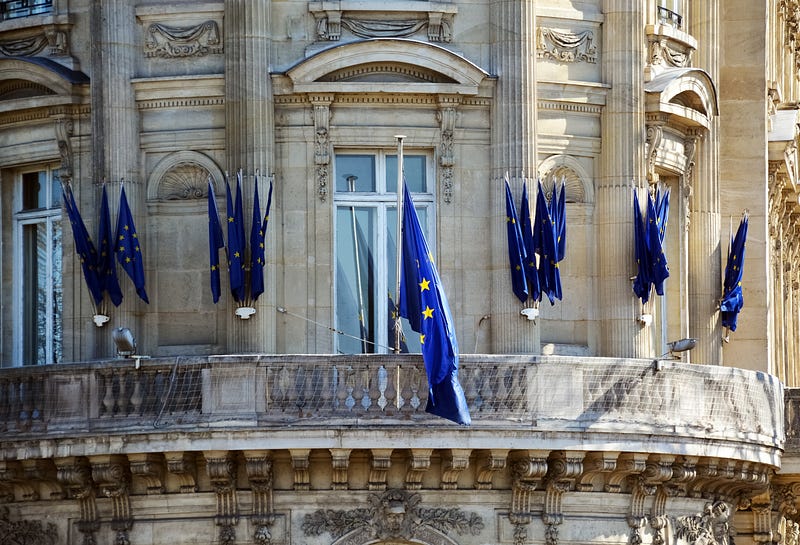
Photo by Jeremy Bezanger on Unsplash

After more than a month of difficult negotiations, on the night between Monday 30 May and Tuesday 31 May, the leaders of the 27 countries of the European Union finally found an agreement on the sixth package of sanctions against Moscow, containing the much discussed embargo on Russian oil.

This measure was announced by the President of the European Commission Ursula von der Leyen on 4 May last. Since then, weeks have passed before the heads of state and government of the EU nations agreed to a joint decision.

Above all, at stake was the credibility of the Union. Without a solution, Europe would have shown itself definitively split and indecisive before the Kremlin. For the latter, on the other hand, it would have been a victory of image and communication.

Why thus have sanctions been so much discussed? What does this sixth package include?
Photo by Oliver Cole on Unsplash

Hungary and the Druzhba pipeline

Hungary has no access to the sea and is dependent on Russian oil for at least two thirds. The latest version of the sixth package includes therefore several requests from Hungarian Prime Minister Orbán, who until last Monday night had vetoed any European decision.

The EU will block crude oil that is transported by ship within eight months, but not that which arrives in Europe via the Druzhba pipeline, which includes only 10% of the fuel that the Union buys from Moscow, but as much as 65% of Budapest’s needs.

This is an exception for which a maximum time has not yet been defined. The nations that will benefit will be Hungary, but also other countries such as Slovakia, Poland or Germany. The pipeline, whose name in English is “Friendship”, built in the 1960s under the Soviet Union, has in fact a bifurcation. Starting from the node, one pipe goes to Berlin and Versavia, the other to Hungary, Slovakia, the Czech Republic and Croatia. For these reasons, it is then easy to understand that the fact that Germany could be exempted from the oil import blockade had made the negotiations even more complex, as it would have been a decisive competitive advantage.
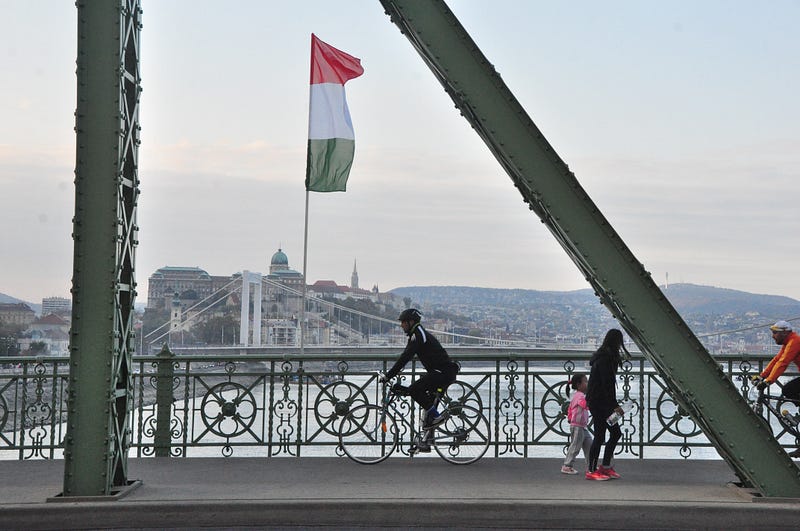
Photo by I Do Nothing But Love on Unsplash

In order to reach a joint decision, the German and Polish leaders therefore declared that they would not use the Russian pipeline, which ends precisely in Germany. However, these are only political and not legal reassurances. Furthermore, the measures include a ban on the re-export of Russian oil arriving via pipeline and the resale of refined products from Moscow crude oil (with an 18-month exemption for the Czech Republic), which would void the sanctions.

The long negotiations

In addition to the danger of an “asymmetrical” agreement, namely of a solution that would favor some Member States in terms of competitiveness while damaging others, a second aspect has caused the difficulties of the negotiations.

Prime Minister Orbán was indeed asking for reassurance. First of all, the premier wanted to be sure that energy supplies would be guaranteed even in the event of a supply cut by the Kremlin, in response to the sanctions package. Later, Orbán requested safety in case of damage to the pipeline itself, which could be hit by Ukrainian forces. Before entering Hungary, the Druzhba actually crosses the whole of Ukraine, which a country at war.
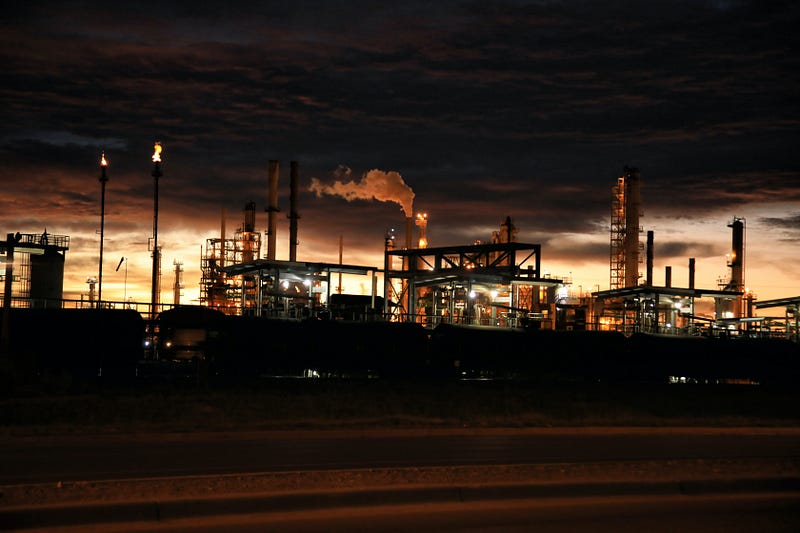
Photo by Robin Sommer on Unsplash

Thereafter, it has longley been discussed what the answers would be in these cases. Budapest wanted to know from where and from whom it could get supplies, heading not only to Brussels, but also to Washington, asking if the allies would undertake to guarantee the same amount of oil.

Finally, Prime Minister Orbán has repeatedly demanded greater economic support than the two billion of funds that would be foreseen by the “REPower EU” project (if you want to know more about this latest strategic plan, I suggest you read the my article on the subject: https://readmedium.com/what-do-you-know-about-the-new-repower-eu-6ba9ec4bc618).

Other package sactions

In addition to Russian crude oil, the sixth package of European sanctions provides for the exclusion of three Russian banks from the Swift international payment system. These include Sberbank, which is the country’s main banking institution, and are joined by the second largest bank in Belarus. Nevertheless, Gazprombank, namely the bank controlled by the Russian energy giant Gazprom, is still excluded. This is used by the Union to pay for gas supplies, despite the recent complexities due to the opening of a second account in rubles.

Moreover, the European Commission encompassed in the list of sanctions another 58 personalities, including military personnel and those responsible for war crimes, also considering the head of the Russian Orthodox Church and patriarch of Moscow Kirill. The community executive would therefore like to freeze their assets and revoke their visas.

Finally, the measures affect three large Russian state broadcasters, such as Rossiya and TV Center International. These will no longer be authorized to distribute their contents in member countries of the European Union.
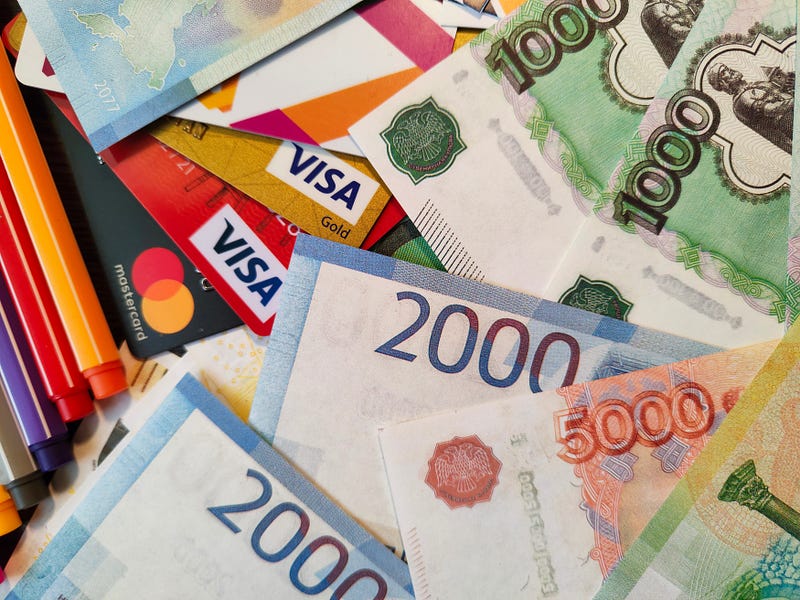
Photo by Vardan Papikyan on Unsplash

The gas price cap

At the conclusion of the summit, Rome finally obtained an opening to the price cap for gas, whose price since October has started an increase that is penalizing businesses and families.

This is still an open discussion, but the official document states that “the European Council invites the Commission to explore ways to contain the increase in energy prices, including the possibility of introducing temporary caps on import prices”.

Sources I was inspired by to write this article:

I am an Italian student who tries every day to improve her English. I really like writing and studying in this language, also to be able to reach more people. However, I still often run into mistakes. So, if while reading my article you have found some, do not hesitate to contact me, either through a comment or a private note!

European Union
Russia
Sanctions On Russia
Hungary
Oil
Recommended from ReadMedium