Six Things I Learned from a Snow Storm in the South
Probably also true in the north
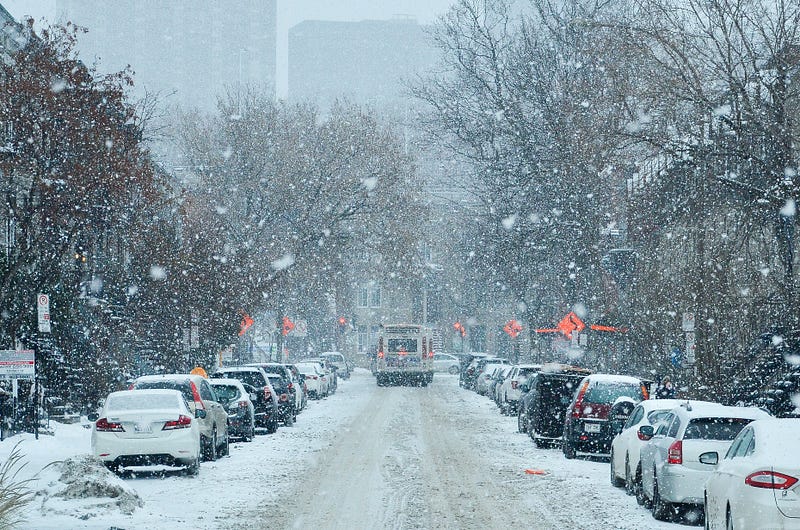
Texas is not the only state that has suffered in the Winter Storm of 2021, despite what you might see in the news. Andrew Exum, writing for The Atlantic, accurately depicts the frustration and difficulty the entire South is experiencing because of the double winter storms last week. From power grid failures to water system failures, this has been crippling. Schools and businesses have been closed for a week. Neither mail nor public transportation has run in seven days. Stores have no food or water on the shelves.
Some things I have learned:
1. Invest in infrastructure. Rolling blackouts across Texas and Louisiana during literally the coldest night on historical record have undoubtedly contributed to the death toll and hardship for everyone. Water systems must also be maintained and upgraded. With the collapse of water mains across Shreveport, boil advisories are in place, which is impossible of course when you have no water. And if you have an electric stove, you can’t boil water even if you have it.
2. Do not depend on your political leaders to help you. The Shreveport mayor has been primarily interested in photo ops since the storm hit seven days ago. After local volunteers got together with their own tractors and construction equipment to clear roads and major intersections that were covered for days with ice and snow, the mayor took photos for social media with the National Guard who came to also clear roads, many of which were already cleared. He also posted photos of himself “visiting” with water crews as they repaired breaks all over town.
3. Check on the vulnerable. In Shreveport at least one homeless man literally froze to death downtown, sleeping outside next to a building. The city opened a couple of shelters, but many of the homeless will not go or cannot go to shelters for a variety of reasons that might include mental health issues, substance abuse issues, or that they refuse to leave their pets behind to go to a shelter. We must do better for these people. My neighbor was sitting in her dark house, alone and depressed for six days. As people ventured outside, I went over to speak to her and then others came over; soon she brought out a 1985 bottle of Port and some glasses and we all stood in the snow laughing, telling stories, and toasting each other. She was much cheered by the end of the visit. It did us all good.
4. Common sense is in short supply. Seven days after the storm and six days after the boil advisory, the city set up a handful of water distribution points. Less than a dozen sites for a city of almost 200,000. The lines were staggering; the sites ran out of water, and frustration mounted. It would have made more sense to have more sites in neighborhoods rather than a few large ones. And what about the elderly and vulnerable who could not drive to these sites or those without transportation?
5. Prepare for a storm. When the weather forecast was so obviously consistent for so many days ahead of this storm, we were certainly going to be housebound for several days. We were lucky in that I stocked up on what I knew we would need because I did not want to drive on ice to a store. I know my limitations. What I did not know was that trucks would get stranded on the interstate for days and not be able to get through the ice to restock stores. We went out to buy water yesterday, avoiding the mile-long lines at distribution sites, but the shelves have literally been barren for several days. They are coming back now that the thaw is happening, but people have been running out of food. They have run out of milk and formula for babies. They have run out of water. Neighbors have come to the rescue and have helped each other by sharing what they have.
6. You need to know how to turn off your water at the meter. When your water lines break and water is flooding your house, you need to know how to turn it off. The city will not come to help you. If you are elderly, if you don’t have proper tools, you need a neighbor that will help you.
Overall, the key lesson I have taken from this storm is that local volunteers and neighbors have been the true heroes, and the politicians have been petty bickering, and with a few exceptions only interested in self-promotion.
I am outraged at our failure to maintain and upgrade basic city services. It infuriates me that someone in a city of 200,000 could literally freeze to death on the streets. I wonder what our self-interested city leaders are going to do to help our locally owned small restaurants who are closed during this boil advisory, many of whom are barely holding on after the pandemic. I can’t even think about my upcoming utility bills after seven days of dripping water faucets to prevent freezing.
I live in the South because I was born here because I love the (mostly) temperate climate; I love the food, the landscape, the life. But I am short on patience with self-absorbed politicians and primitive city services. If nothing else, this past week has clarified that elections matter and humanity is sometimes in short supply.