
Six Strange & Scary Sleep Sabotagers
These nightmarish ‘parasomnias’ range from odd to downright dangerous
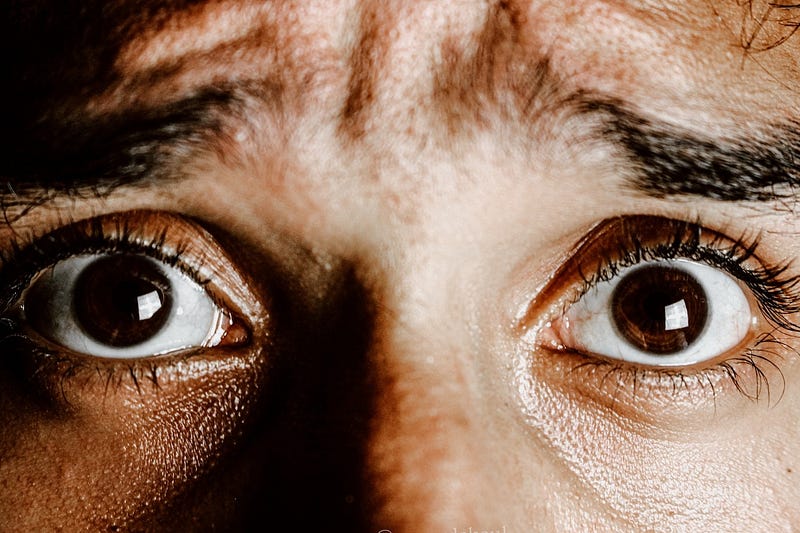
Common tips lists on how to sleep better can’t possibly illuminate all the impediments to falling asleep, staying asleep, and enjoying high-quality, restful and rejuvenating slumber. I know. I wrote a 321-page book about how to sleep better and barely mentioned some of the strangest and more obscure sleep disorders that nonetheless cause gut-wrenching sleepless and scary nights for those afflicted.
Some 70 million U.S. adults suffer at least one of the roughly 80 cataloged chronic sleep disorders.
Insomnia, the most common sleep disorder and also a catch-all term for any sleep problems, temporary or chronic, is often a symptom of other sleep disorders and can even contribute to some of them. Because the definition varies, it’s not known how many people actually suffer insomnia, though pharmaceutical companies would like you to think we all do. In reality, it’s estimated that about 10% of the adult population suffers diagnosable insomnia disorder, and an additional 30% experience insomnia symptoms to a lesser degree.
But several of the most bizarre sleep disorders and conditions go beyond simply struggling to sleep to involve abnormal actions that, well… let’s take a look at the strangest of these so-called parasomnias.
Note: Since many people never seek care for their sleep issues, it’s not known exactly how common most of them are. So I reached out to Sairam Parthasarathy, MD, a professor of medicine and director of the University of Arizona’s Center for Sleep and Circadian Sciences, for estimates on prevalence.
Somniphobia
An intense, irrational fear of sleep that strikes before people even go to bed.
Somniphobia can be spurred by fear that one will have nightmares, sleepwalk, or even die while asleep. The fear exists out of proportion to the true threat, but it’s real and palpable during the day. Symptoms include shortness of breath, chest pain, hyperventilation, nausea, and chills. Sleep anxiety, by the way, is a less severe condition caused by worry over falling asleep or staying asleep — it’s not formally recognized as a disorder, but it happens.
Prevalence: Rare
Exploding head syndrome
Abrupt awakening caused by the perception of a non-existent loud noise that may last a mere second or less.
Sounding like thunder or an explosion or gunshot, an episode can be accompanied by apparent flashes of light. Though typically harmless, sufferers sometimes understandably think they’re having a stroke or a brain hemorrhage — hence the term exploding head syndrome. The cause is a mystery.
Prevalence: Rare.
Sleep paralysis
A whole-body paralysis when falling asleep or just waking up.
The inability to move is sometimes accompanied by surreal sights described as nightmares coming alive: ghosts, demons, blood-sucking vampires, or even the sensation of floating outside one’s own body. The visions and out-of-body experiences are thought to be a direct outgrowth of dreams, during the phase of rapid-eye movement (REM) sleep when your body is paralyzed for your own protection. This clever safety mechanism goes haywire when paralysis, a bad dream, and wakefulness collide, explains Baland Jalal, PhD, a neuroscientist at Harvard University.
Prevalence: Not uncommon, occurring in about 5% of people at least once in a lifetime, Parthasarathy said.
Night Terrors
Intense fear that sparks screaming and flailing about while asleep.
Also called sleep terrors, night terrors differ from the normal nightmares almost everyone experiences. While it’s common to wake up from a run-of-the-mill nightmare, people sleep through night terrors, even as they sometimes sit up and shout, staring wide-eyed into the night with fear. And then they may have zero memory of it the next day.
Prevalence: Night terrors are more common in children (about 5%) than adults (2%).
Dysania
Inability to get out of bed.
Not formally recognized by the medical profession, dysania is real, but unlike other parasomnias that involve strange actions, this one is marked by inaction. It’s typically described as a chronic inability to get out of bed for an hour or more most days. “Dysania is a rarely used term for ‘I-don’t-get-out-of-bed-in-the-morning,’” Mark Salter, a psychiatry consultant representing the Royal College of Psychiatrists, told the BBC. “It is a behavior sometimes seen in those suffering from a major depressive disorder.”
Prevalence: Unknown
Sexsomnia
Engaging in sexual acts while asleep, not always in a healthy way. Also called sleep sex, sexsomnia is anything but normal. One might masturbate, fondle their bedmate, or try to have sex (which does happen). It can be harmless in some situations, but has also led to sexual assault and legal cases. Sleep sex typically occurs a few hours after going to bed, during the deepest phase of sleep when it’s hard to be woken. The causes are poorly understood, but risk factors include obstructive sleep apnea, sleepwalking and other parasomnias.
Prevalence: More common in men (about 8%) than women (4%).
If any of these sleep oddities and challenges describe your experience, take a look at the warning labels of any medications you take. Drugs are a common cause of sleep problems (ironically, sleeping pills are among the offenders.) Other medical issues like restless leg syndrome, anxiety, depression or chronic stress can induce parasomnias.
Working on good sleep hygiene and habits overall can help reduce symptoms of these conditions and other sleep disorders, according to the Cleveland Clinic. But if a parasomnia dogs you like a neverending bad dream, it’s unlikely you’ll find the solution in any hot-tips list.
“Sleep hygiene alone is not the treatment, although one can certainly try,” said Parthasarathy, the University of Arizona sleep specialist. “The patient needs medical evaluation by a sleep physician in all of these instances in order to rule out sleep disorders and co-existent medical or psychiatric conditions or offending medications.”
Related resources:
- Better Sleep Can Add Years to Your Life
- Your Sleep Quality Probably Sucks. How to Know and What to Do.
- The Myth That Older People Can’t Sleep Well
Your support makes my health and wellness writing possible. You can sign up for emails when I publish on Medium, or join Medium to directly support me and gain full access to all Medium stories, get my health news briefs on Mastodon, or check out my book: Make Sleep Your Superpower: A Guide to Greater Health, Happiness & Productivity (paperback or Kindle version). — Rob