
Six Steps to Safeguard COVID Vaccines
INTERPOL warns of organized crime threat to COVID-19 vaccines.
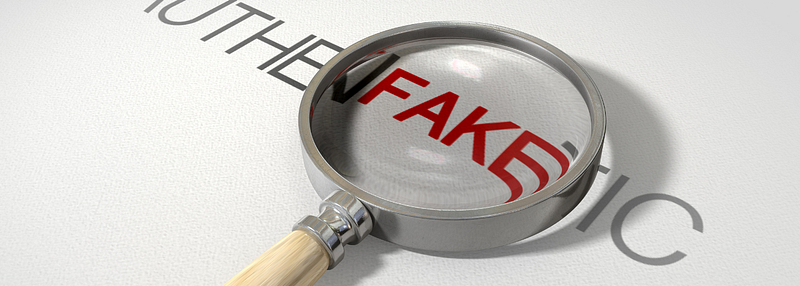
On 2nd of December 2020 INTERPOL issued an Orange Notice outlining potential criminal activity in relation to the falsification, theft and illegal advertising of COVID-19 and flu vaccines. A number of COVID-19 vaccines are coming closer to approval and once through the process the next step would be to execute a monumental global distribution. As per INTERPOL, it will be essential to ensure the safety of the supply chain and identifying illicit websites selling fake products. There will also be a need for coordination between law enforcement, health regulatory bodies and pharma companies to identify and thwart such threats.
“As governments are preparing to roll out vaccines, criminal organizations are planning to infiltrate or disrupt supply chains.” — Jürgen Stock, INTERPOL Secretary General
Pharma companies are dealing with many different regulations across the globe to stop counterfeiting of drugs. Most pharma manufacturers are also equipped with solutions to uniquely identify and authenticate drug packages. But can it also protect vaccines? In my experience these solutions may work for the existing drugs but are not easy to implement for any new drug introduced. In this article I will talk about the potential solution any vaccine manufacturer can explore.
Before we dive into the solution, let’s quickly understand what is already an agreed solution to stop drug counterfeiting. When each sellable drug unit for example a vial of vaccine is marked with a unique number, hard enough for any counterfeiter to guess, then we can ensure just by asking the manufacturer to authenticate the unique number at any point in the supply chain up to the point of dispensing. Typically these unique numbers can be encoded into a barcode and pasted on to each vial.
Quickest path to vaccine safety —
- Decision on where to put these barcode label — individual vial or box of vials or both.
Cheapest and fastest option is to label box of vials, as boxes have enough space and there is no worry about the label size. And these labels can be even put manually off the packaging lines. Though in this scenario the boxes must be properly sealed with anti-counterfeit stickers so that no one can open them or use empty ones to replace with counterfeit vaccines. Each vial can also be labelled or both boxes and vials as well but this will increase the cost and setup time significantly, as it requires a new packaging line setup. Also the vials may be too small to label individually, in which case boxes are the only option.
2. Defining what format of the unique serial number should be used, how will they be stored and authenticated.
Here the best way is to utilize existing systems for serializing the drugs i.e. SAP ATTP, Tracelink or any other. As unique serial numbers generated and randomized to make guessing these number almost impossible. These systems can also enable capturing any activity such as when the vaccines gets labelled, shipped or authenticated at any point in the supply chain. Capturing the serial numbers during such events will also allow analytics to understand if any duplicates (counterfeits) are in the market.
There is a need to develop processes to safeguard the generated numbers from any malicious activity such as any rogue employee getting access to data and then dissemintaing them to counterfeiters.
3. Designing the artwork for the label containing the barcode and other regulatory information and getting it approved.
This activity needs to be done before the packaging starts and as it takes time, companies can start this well in advance and involve regulatory bodies from the start. Also along with the serial number, manufacturing batch number and expiration date should be included, ideally within the barcode itself. Every country has a different requirement and this task can become daunting.
4. Capturing the release of each product to the market.
Typically capture happens when the labels are put on a box or the vials but to ensure higher level of safety, manufacturers should also scan these labels when they ship out. This will create a record for market release and it will be a useful set of data when investigating any fraudulent activity.
5. Enabling supply chain partners, regulatory and enforcement agencies to authenticate vaccines at any point.
Once the product is released to the market any downstream distributor, pharmacy, hospitals should be able to scan the barcodes and validate it against the manufacturers database (authenticate the product). Also regulatory agencies including law enforcements should be enabled to quickly verify the seal and validate the barcodes. Manufacturers can quickly spin up an app to allow this to happen. These days it doesn't take much time to develop apps. This work can start now.
If public availability is granted then we can also thwart all the online scammers directly selling to consumers.
6. Developing capabilities to alert and recall in adverse event including counterfeiting.
Whenever any authentication check fails or duplicates are found, vaccine manufacturers can use the same app as discussed above to send out alerts. This will enable faster quarantine of any individuals boxes, vials or batch of products for further investigation. Recall can also be coordinated within the app itself. In future this can make all the drugs sold way more secure through the supply chain.
Along with all of the above vaccine manufacturers should release the guidance to all concerned parties to validate the barcode and report adverse events. While the app can simplify the processes, still there is a need for a dedicated customer service line(s) to speed up reporting, validations of products and any investigation effort.
Regulatory agencies and law enforcement should start engaging with the manufacturers to understand there plan and start creating processes now, otherwise it may be too late.
My name is Nishant Modi. I am an entrepreneur, writer, former management consultant. I have designed and developed systems and processes for the past 12 years to stop the counterfeit for many of the top pharma companies including distributors. Connect with me to learn more, let us make the covid vaccines safer together.


