Six Statements Guaranteed to Annoy Cineastes
A grumpy rant from a grumpy old film fanatic.
As someone steeped in film lore who eats, sleeps, and breathes cinema, I can be passionate when wanting to point others in the direction of great films. In some cases, my evangelistic zeal is rewarded by the satisfaction of seeing someone discover a cinematic goldmine they had yet to unearth. However, whilst I don’t unreasonably expect everyone to share my enthusiasm, what I can’t abide are those persons that claim they have a serious interest in cinema, yet come out with one of the following ignorant statements.
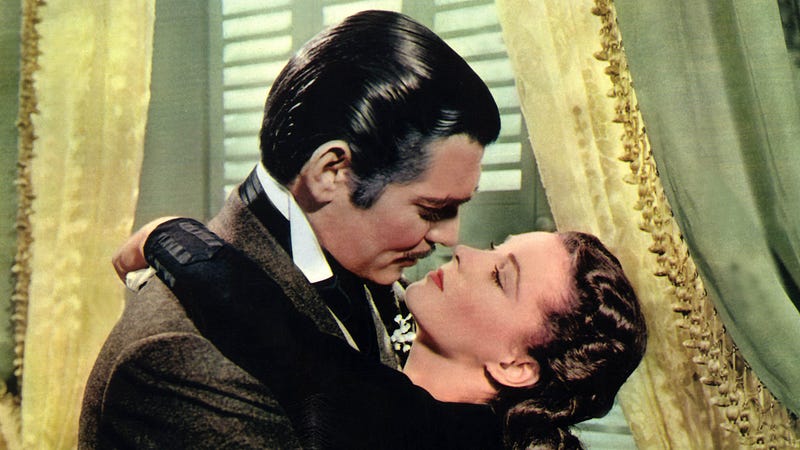
“I don’t like old films”
To my mind, any self-proclaimed film buff who makes such a staggeringly narrow-minded remark immediately gets their cineaste card revoked. I used to think this statement was made by those who thought cinema began with Star Wars in 1977, but these days it is often made by those who refuse to watch anything that wasn’t made this century. Claiming to have an interest in cinema and dismissing 100 golden years of iconic classic celluloid is weapons-grade Philistine pig ignorance.
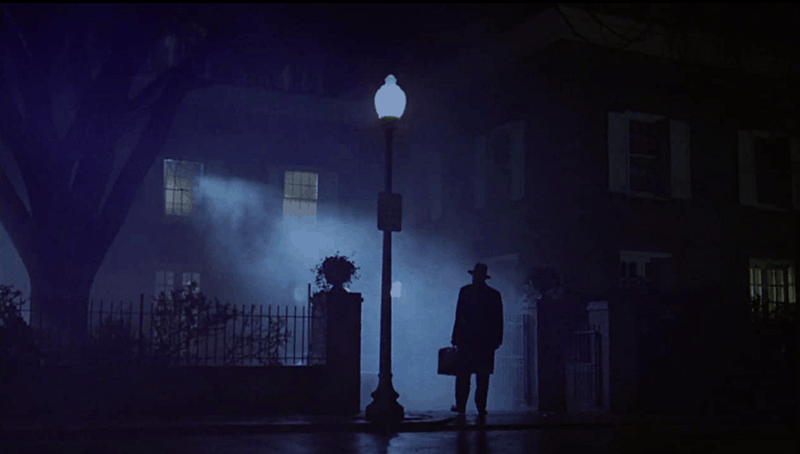
I won’t waste time and energy arguing why discovering the classics is important. Instead, I’ll simply state that if any supposed film buff thinks films like Casablanca, Gone with the Wind, Bringing Up Baby, The Godfather, The Searchers, All About Eve, The Big Sleep, On the Waterfront, Singin’ in the Rain, Lawrence of Arabia, 2001: A Space Odyssey, Vertigo, Citizen Kane, It’s a Wonderful Life, Some Like it Hot, Bambi, The Graduate, The Exorcist, Mean Streets, Annie Hall, and E.T. The Extra-Terrestrial aren’t worth watching because they are “old”, I have nothing but pity. And that’s just a brief random grab-bag of classics from Hollywood, never mind the rest of the world. Don’t worry I’ll get to the rest of the world. I’m just warming up.
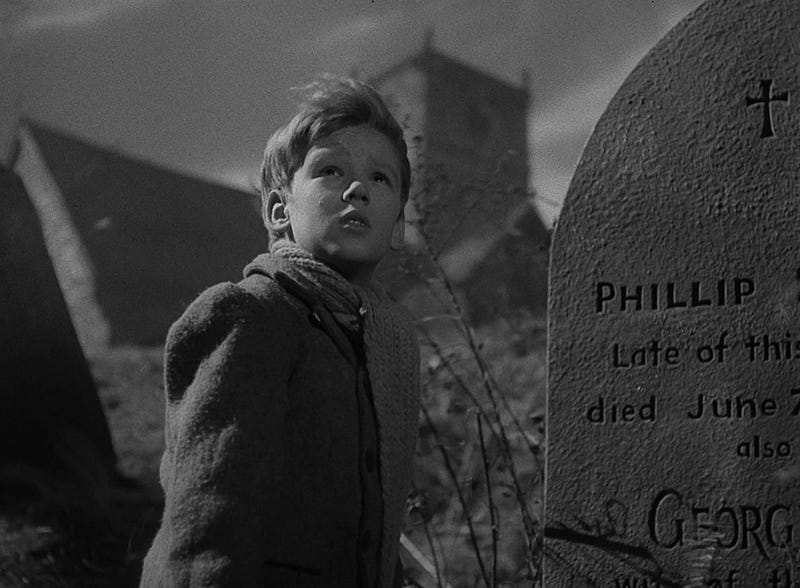
“I don’t like black and white films”
The wholesale dismissal of monochrome movies indicates a mindset unsuited for the appreciation of cinematic art. Black and white photography can be used to accentuate a dreamlike sense of magical realism. The monochrome heaven sequences in A Matter of Life and Death are a good example. Or it can add gritty, dirt-under-the-fingernails realism; think Bicycle Thieves or La Haine. It can ooze vivid atmosphere; David Lean’s hugely influential version of Great Expectations, Carol Reed’s equally seminal The Third Man, Charles Laughton’s The Night of the Hunter, David Lynch’s The Elephant Man, Martin Scorsese’s Raging Bull, classic film noir gems like Billy Wilder’s Double Indemnity, Fritz Lang’s Scarlet Street, or Orson Welles’s Touch of Evil. It can make a horror film significantly more frightening; Cat People, Night of the Demon, The Haunting, The Innocents, Psycho, Invasion of the Body Snatchers, Village of the Damned, Night of the Living Dead… You can see I am very partial to monochrome horror.
Much of the time, it simply makes for staggeringly beautiful cinema. Think Woody Allen’s Manhattan, Peter Bogdanovich’s The Last Picture Show, Fellini’s 8 1/2, or more recently Ana Lily Amirpour’s A Girl Walks Home Alone at Night, Alfonso Cuarón’s Roma, and the films of Paweł Pawlikowski: Ida, Cold War. Then there are monochrome pictures that rely on modern perceptions of history. Spielberg shot Schindler’s List in black and white because so much of World War II and the Holocaust were documented that way.
To reiterate: Claiming film buff credentials whilst making Neanderthal dismissals of black and white cinema is an immediate red flag indicating you are not dealing with a true cineaste.
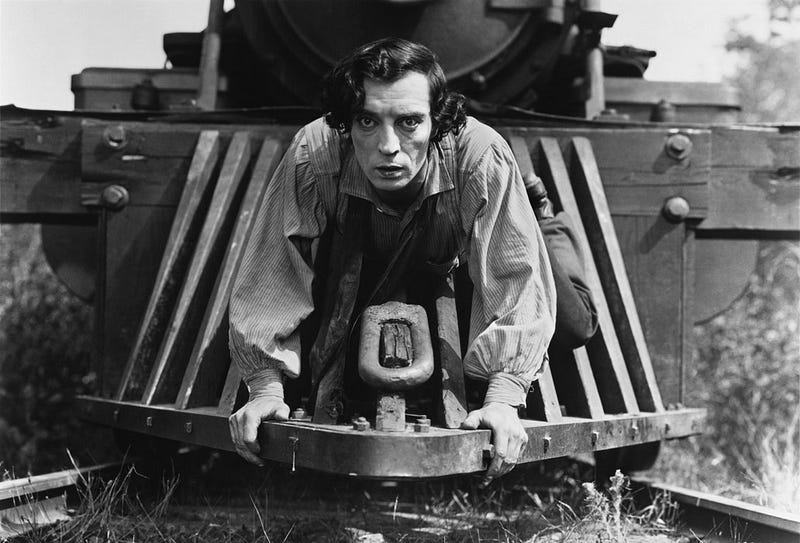
“I don’t like silent films”
If anyone says this to me, my default response is to sit them down in front of Buster Keaton’s The General. Afterwards, I ask them to look me in the eye and repeat what they’ve said, with a straight face.
Silent films represent the purest form of cinema, in that they tell image-led stories. This rich tradition dates back to Georges Méliès’s short, innovative gems, to groundbreaking works by DW Griffith including Intolerance and the hugely controversial, unforgivably racist The Birth of a Nation. Although much of silent cinema sadly has been lost, there are several bonafide masterpieces across a variety of genres that remain a must for all audiences, let alone serious students of cinema. Battleship Potemkin, The Passion of Joan of Arc, Metropolis, Nosferatu, The Cabinet of Dr Caligari, Safety Last, The Gold Rush, Sunrise, The Crowd, Napoleon, Greed, The Lodger, and the aforementioned Buster Keaton masterpiece are all films I’d put on any anyone’s cinematic radar.
More recently, The Artist proved silent films didn’t deserve to be consigned to history, but in truth, the true rebirth of silent cinema traditions occurred in 1977 with Star Wars and the birth of the modern blockbuster. With such strong, spectacle-driven action imagery, the traditions of silent cinema returned. Of course, silent cinema was never truly silent, as it was mainly accompanied by hugely imaginative, talented organists, who played live to the images. If you’ve not watched a silent film with live accompaniment, it’s an experience I strongly recommend. At any rate, the point is worth mentioning, since the magnificent music score of John Williams in Star Wars acts as the bombastic accompaniment, providing emotional cues for the audience.
The bottom line: If you say you don’t like silent cinema, but enjoy big modern blockbuster films, the truth is you actually do like silent cinema.
“I don’t like foreign films”
I’ve not heard this one in a while, but every so often this hoary old chestnut rears its ugly head, when I stumble across someone who thinks the English speaking world has a monopoly on great cinema. The most high-profile nitwit to recently pronounce this imbecilic ignorance is Donald Trump. His lunatic objection to (rightly) Best Picture-winning Korean film Parasite was based on trade disputes the US were having with Korea, and nothing to do with the quality of the film itself. Mind you, I doubt he’d actually seen the film. He probably just thought it would be fun to play to the gallery by bashing something foreign.
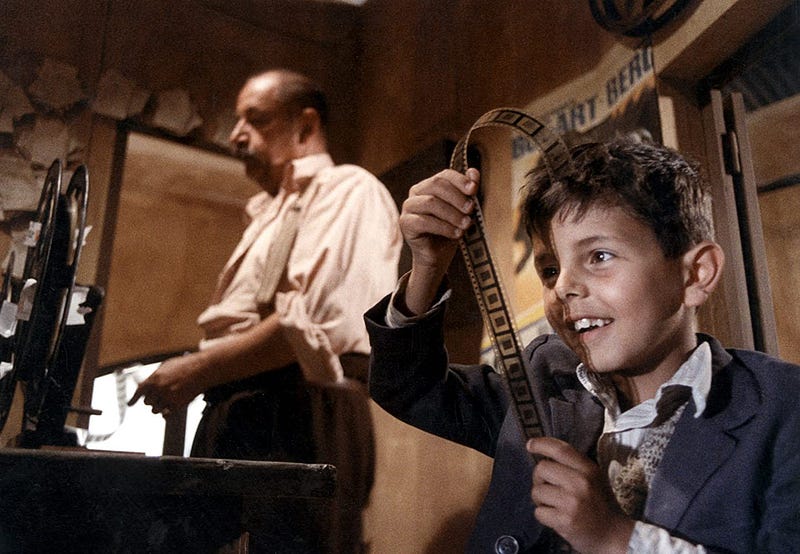
Anyone wishing to ignore the cultural richness of international film, across many different genres, does so to the detriment of their own humanity. I weep at the idea that someone might actually not want to watch, say, La Grande Illusion, La Règle Du Jeu, Les Enfants du Paradis, La Belle et la Bête, Orpheus, À bout de souffle, Belle Du Jour, Les Diaboliques, Andrei Rublev, La Dolce Vita, La Strada… Oh, alright I’ll switch to the English titles: Eyes Without A Face, The Seventh Seal, Seven Samurai, Ran, Rashomon, The Leopard, Rocco and His Brothers, Tokyo Story, The Discreet Charm of the Bourgeoisie, Come and See, The Battle of Algiers, Pather Panchali, Woman on the Verge of a Nervous Breakdown, Cinema Paradiso, Delicatessen, Farewell my Concubine, Raise the Red Lantern, The Big Blue, Nikita, Hard Boiled, In the Mood for Love, Life is Beautiful, Crouching Tiger Hidden Dragon, Hero, Goodbye Lenin, The Lives of Others, Pan’s Labyrinth, Three Colours Red (and White, and Blue), Departures, Under the Shadow, Victoria… I could go on and on.
However, for someone professing to be interested in film to make such a statement constitutes nothing less than cinematic blasphemy. The only excuse I will accept are medical conditions that make reading subtitles difficult (dyslexia for example). In such instances, dubbing options may be explored, but otherwise, with the exception of animation (which is all dubbed in any case), just read the damn subtitles. Within a couple of minutes, your brain tricks you into thinking you’re hearing English.
“I don’t like animated films”
First of all, animation is a technique, not a genre (though I’m coming to the genre question in a moment). Therefore, a blanket dismissal of animation always enrages me. Genre questions aside, the reason for said dismissal is invariably the nonsensical belief that animation equals “Disney cartoons for children”. Leaving to one side the tragedy of losing the ability to appreciate well-crafted family entertainment, the idea that animation is always for children simply isn’t true.
I submit the following off the top of my head in evidence: Grave of the Fireflies, Akira, Persepolis, Waltz with Bashir, The Illusionist, Anomalisa, and Ghost in the Shell. I further submit that many “Disney cartoons for children” feature fascinating subtext for grown-ups. This has been true from Disney’s first animated feature Snow White and the Seven Dwarfs, which cleverly (and lovingly) satirises different male foibles with each of the dwarfs (Snow White is comparatively bland as a protagonist, and the Prince in that film is an utter non-entity).
Fast-forwarding a few decades, consider the multi-layered Toy Story 3. To fully appreciate every bittersweet melancholy nuance, you need to have had a child grow up and leave home. I’m not at that point yet, but my mother put this to me when the film was released. Actually Pixar films in general feature elements aimed squarely at the adults: From Mr Incredible’s dead-end job frustration in The Incredibles to the incredibly dark (when you stop and think) dystopian undertones in Wall-E. The computer on the Axiom is brainwashing babies, but where are these babies coming from? It’s clear that humans have long since stopped reproducing the old-fashioned way since they don’t even talk to one another let alone engage in bouts of horizontal jogging. This is made doubly clear by the “let’s have some kids” moment in the finale.
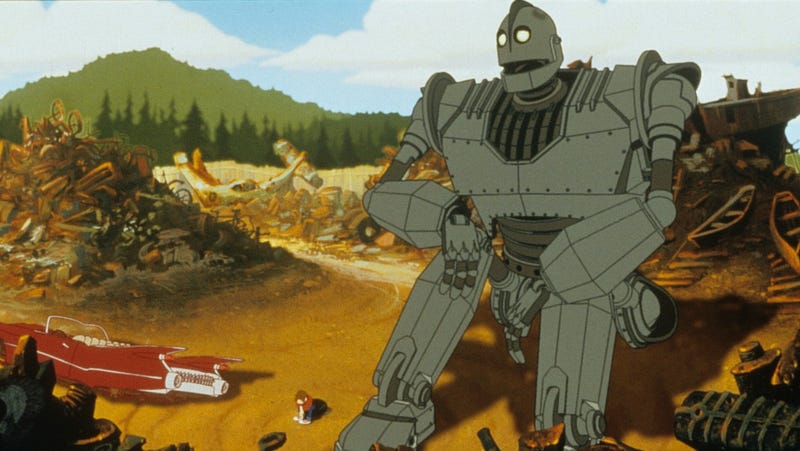
To any self-proclaimed cineaste who says they don’t like animated films, I’m the proverbial schoolteacher who isn’t angry, just very disappointed. But if you’re really determined to dismiss animation, do me one favour: Watch Brad Bird’s The Iron Giant; a criminally underrated gem, and my favourite animated film of all time. If that leaves you cold, then I can only quote Buzz Lightyear in response: “You are a sad, strange little man (or woman), and you have my pity.”
“I don’t like films in X genre”
I’m going to moderate my tone here and say that a statement like this will result in me delivering a mere dubious frown rather than a scathing rant. This is because there are a few legitimate excuses for cineastes to make this assertion. For instance, some people can’t watch horror films because they just get too scared. Fair enough.
However, in my experience, people with a genuine excuse of this kind still try and push the scariness envelope for the greater good of enjoying the cinematic craftsmanship of those who create horror classics. For example, my horror adverse wife has been known to brave certain horror films, whilst occasionally retreating behind cushions, her hands, or yours truly. This is a valid response and interaction with the film and proves it is doing its job.
I also have a limited amount of tolerance for the above statement, simply because we all have genres to which we naturally gravitate. Having preferences is permitted in a cineaste, but the important thing is to try and remain open-minded. For example, Eric Pierce wrote this piece on musicals he’s enjoyed, even though he openly admits to not particularly caring for the genre.
I’m going to close by mentioning when the above statement does deeply irk, regardless of whether the individual in question claims to be a film buff: When it is used in a sexist context. For instance, my wife sees red when confronted with blanket statements from her female acquaintances to the effect of “I don’t like science fiction” when the inherent context is the sexist notion that women don’t like science fiction. I have much the same rage reaction when confronted with the idiotic stereotype that men don’t like romantic comedies. As it happens, I adore romantic comedies — when they’re good. I probably enjoy them a lot more than my wife.
And on that point, it only remains for me to say those two immortal words: Rant over.
Author’s note: I hope you enjoyed this article. For more about me and my writing, please click here.