avatarCam

Free AI web copilot to create summaries, insights and extended knowledge, download it at here

2525

Abstract

<figcaption>Photo by DigiReads on Amazon.com</figcaption></figure><p id="4011">Emile Zola, at least in the United States, is an incredibly underrated postcolonial writer. His <i>Les Rougon-Macquart </i>is a tremendous rendering of the difficult, painful life of French peasants trying to eke out a living under the exploitative demands of the <i>bourgeoisie</i>, who treated their fellow Frenchmen just as cruelly as those they abused abroad. Of the twenty <i>Rougon-Macquart</i> novels, <a href="https://amzn.to/3sbyYcj"><i>Germinal</i></a> is especially close to my heart because it depicts, in raw and animalistic detail, the rise of class consciousness amongst coal miners, interspersed with intriguing facts about the work itself. I often find myself pondering the existence of the underground seas that imperil mines, wondering what strange gems they may carry silently through the seams of rock.</p><h1 id="0a7a">Remainder by Tom McCarthy</h1><figure id="3428"><img src="https://cdn-images-1.readmedium.com/v2/resize:fit:800/1*pUrzFfF1PEv6SV6DtKfG9A.jpeg"><figcaption>Photo by Vintage on Amazon.com</figcaption></figure><p id="0dc9">This <a href="https://amzn.to/3o1YYFt">quirky novel</a> perfectly encapsulates a little-understood mental illness, though it is never explicitly named in the novel: Obsessive-Compulsive Disorder. While most sufferers will never sink to the depths of the unnamed narrator in their quest for perfection, it becomes horrifyingly clear how much rituals, repetition, and fear can spiral out of control, destroying the lives of everyone involved. McCarthy writes so vividly of these bland, liminal spaces the narrator develops that they will haunt your consciousness, rising like whitewashed titans in your dreams.</p><h1 id="febe">The Private Memoirs and Confessions of a Justified Sinner by James Hogg</h1><figure id="bde1"><img src="https://cdn-images-1.readmedium.com/v2/resize:fit:800/1*3ovG4tsn9IrqbetF15xk_g.jpeg"><figcaption>Photo by Wordsworth Classics on Amazon.com</figcaption></figure><p id="27f6">Hogg, the Ettrick Shephard, is a fascinating character in his own right, but<a href="https://amzn.to/3g1iYDK"> his seminal work</a>, exploring how religion can twist a person’s very nature, is utterly remarkable. This is another book I’ve read three times, each time coming away with a different perspective on what really happened to the haughty, tortured Robert. Was Gil-Martin real? One tiny detail in the book (I hope you find it!) throws the entire discussion into disarray.

Options

When I studied this novel in my Scottish Literature class, fierce debate erupted about this very topic, and I still question my own understanding of religion, demonology, and mental illness each time I crack this book’s spine.</p><p id="267b">As a side note, the modern retelling of this Scottish horror, <a href="https://amzn.to/33WezQ5"><i>The Testament of Gideon Mack</i></a><i> </i>by James Robertson, is also well worth its ink, especially if read directly after its inspiration.</p><h1 id="086f">The English Patient by Michael Ondaatje</h1><figure id="adfb"><img src="https://cdn-images-1.readmedium.com/v2/resize:fit:800/1*WYdjBh7iWnleXezPiztlgg.jpeg"><figcaption>Photo by Vintage International on Amazon.com</figcaption></figure><p id="62e2">Something about the careful dance of the characters in <a href="https://amzn.to/3H4Zlqq">this novel</a> is deeply compelling. As we learn more about the titular English patient, the roles of each person involved in his care grow more complex, leaving us to wonder whether one can really place anyone in simple moral categories. This is one of the few novels I’ve read where I truly began to see the characters as actual people, with thoughts and feelings outside of the page. Through Ondaatje’s tiny details, I really felt as if I were there in that bombed-out villa, creeping through its darkened halls accompanied by the raspy sighs of a dying man.</p><h1 id="0c70">Cloud Atlas by David Mitchell</h1><figure id="1c2a"><img src="https://cdn-images-1.readmedium.com/v2/resize:fit:800/1*MazxAcDJKJcgq6dqFf5kGA.jpeg"><figcaption>Photo by Random House on Amazon.com</figcaption></figure><p id="cc85">Don’t be fooled by the lackluster movie adaptation: this is an <a href="https://amzn.to/3rVM9h0">incredible book</a>. Mitchell stitches together disparate narratives, stacking them on top of one another like anatomical slices to create a chilling vision of a world past and one come to pass. The historical and contemporary novellas are so convincing that you, too, may find yourself wondering whether he is a time traveler, coming to warn us of an improbable, terrible future. I was especially haunted by Somni~451’s discovery on the cruise ship; as someone who indulges in quite a bit of creepypasta, no horror story has hit me quite like what Mitchell writes.</p><p id="75fe">I truly hope you will give these six (well, seven!) books a chance and find them as companionable as I have. Let me know how many times you read them and which one you like best!</p></article></body>

Six Books Well Worth a Second Read

These novels will bring you back again and again
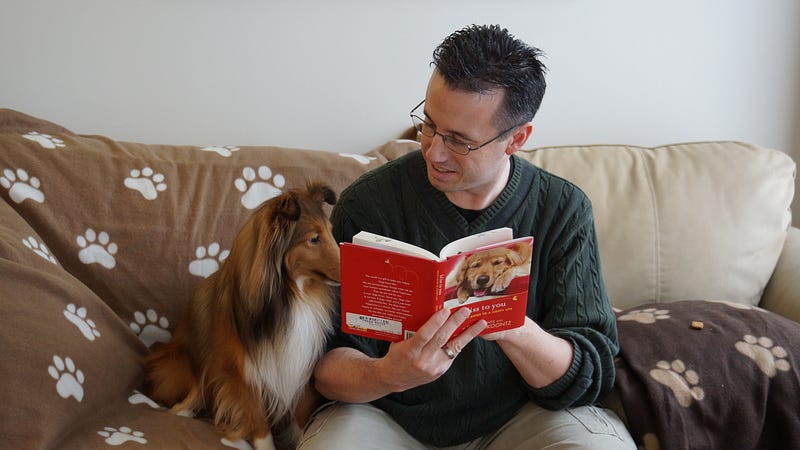
Photo by Ken Foreman on Unsplash

After I completed my Master’s degree and was finally unshackled from the chains of required reading, I promised myself I would never again slog through a book that I didn’t enjoy. I’ve kept that vow, and there are dozens of unfinished novels scattered throughout my house to prove it. (I definitely ascribe to Nick Wignall’s first rule of becoming a prolific reader: quit books that aren’t delighting you!)

I’ve also never been one to read books repeatedly, so when a novel is able to draw me back a second time, it must be truly special. As all of these are books I read during my time at University of Illinois-Chicago, I’d like to give a special shout-out to my professors in the English department who packed their curriculum with amazing texts.

Here are a few of the books that have held that particular magic for me, and I’m certain they will for you too!

Moby Dick by Herman Melville
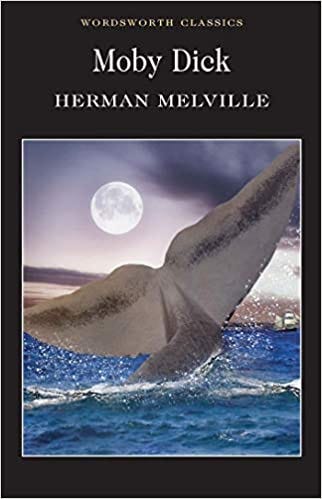
Photo by Wordsworth Classics on Amazon.com

Many people are surprised when I tell them that I’ve read this whale of a book three times, twice on paper and once on audiobook. It’s not the plot that sings a siren song to me: it’s Melville’s tender and delicious descriptions of seafaring life, from finding a pod of nursing whales to the spectacular find of ambergris. I firmly believe that Ishmael would have been a marine biologist had he lived in a different era; his appreciation for the creatures of the deep is palpable through every page.

Germinal by Emile Zola
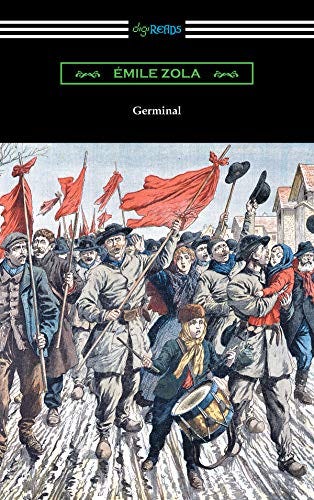
Photo by DigiReads on Amazon.com

Emile Zola, at least in the United States, is an incredibly underrated postcolonial writer. His Les Rougon-Macquart is a tremendous rendering of the difficult, painful life of French peasants trying to eke out a living under the exploitative demands of the bourgeoisie, who treated their fellow Frenchmen just as cruelly as those they abused abroad. Of the twenty Rougon-Macquart novels, Germinal is especially close to my heart because it depicts, in raw and animalistic detail, the rise of class consciousness amongst coal miners, interspersed with intriguing facts about the work itself. I often find myself pondering the existence of the underground seas that imperil mines, wondering what strange gems they may carry silently through the seams of rock.

Remainder by Tom McCarthy
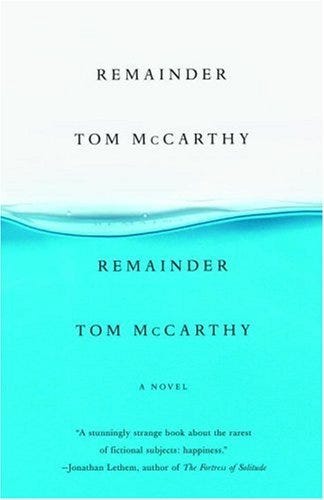
Photo by Vintage on Amazon.com

This quirky novel perfectly encapsulates a little-understood mental illness, though it is never explicitly named in the novel: Obsessive-Compulsive Disorder. While most sufferers will never sink to the depths of the unnamed narrator in their quest for perfection, it becomes horrifyingly clear how much rituals, repetition, and fear can spiral out of control, destroying the lives of everyone involved. McCarthy writes so vividly of these bland, liminal spaces the narrator develops that they will haunt your consciousness, rising like whitewashed titans in your dreams.

The Private Memoirs and Confessions of a Justified Sinner by James Hogg
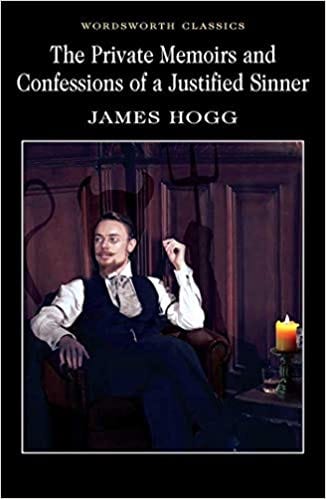
Photo by Wordsworth Classics on Amazon.com

Hogg, the Ettrick Shephard, is a fascinating character in his own right, but his seminal work, exploring how religion can twist a person’s very nature, is utterly remarkable. This is another book I’ve read three times, each time coming away with a different perspective on what really happened to the haughty, tortured Robert. Was Gil-Martin real? One tiny detail in the book (I hope you find it!) throws the entire discussion into disarray. When I studied this novel in my Scottish Literature class, fierce debate erupted about this very topic, and I still question my own understanding of religion, demonology, and mental illness each time I crack this book’s spine.

As a side note, the modern retelling of this Scottish horror, The Testament of Gideon Mack by James Robertson, is also well worth its ink, especially if read directly after its inspiration.

The English Patient by Michael Ondaatje
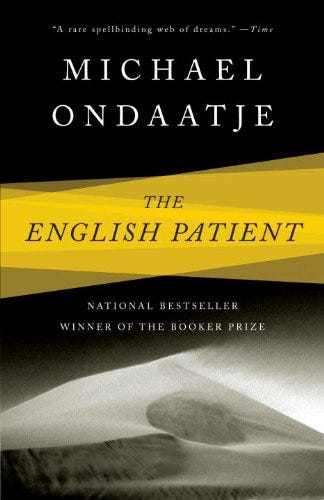
Photo by Vintage International on Amazon.com

Something about the careful dance of the characters in this novel is deeply compelling. As we learn more about the titular English patient, the roles of each person involved in his care grow more complex, leaving us to wonder whether one can really place anyone in simple moral categories. This is one of the few novels I’ve read where I truly began to see the characters as actual people, with thoughts and feelings outside of the page. Through Ondaatje’s tiny details, I really felt as if I were there in that bombed-out villa, creeping through its darkened halls accompanied by the raspy sighs of a dying man.

Cloud Atlas by David Mitchell
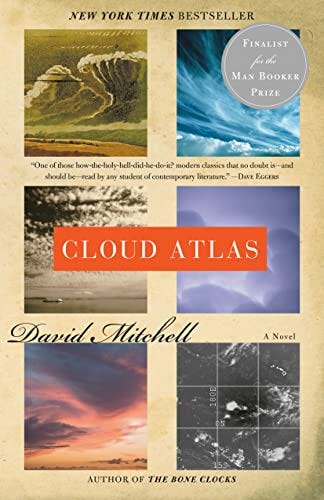
Photo by Random House on Amazon.com

Don’t be fooled by the lackluster movie adaptation: this is an incredible book. Mitchell stitches together disparate narratives, stacking them on top of one another like anatomical slices to create a chilling vision of a world past and one come to pass. The historical and contemporary novellas are so convincing that you, too, may find yourself wondering whether he is a time traveler, coming to warn us of an improbable, terrible future. I was especially haunted by Somni~451’s discovery on the cruise ship; as someone who indulges in quite a bit of creepypasta, no horror story has hit me quite like what Mitchell writes.

I truly hope you will give these six (well, seven!) books a chance and find them as companionable as I have. Let me know how many times you read them and which one you like best!

Writing
Books
Reading
Book Recommendations
Book Review
Recommended from ReadMedium