avatarShelley Rohm

Free AI web copilot to create summaries, insights and extended knowledge, download it at here

2120

Abstract

n a tour of the Douro Valley. This is where true port wine comes from. Do you know how it’s not Champagne unless it’s from the region in France? Same with port. The grapes are grown in Douro Valley and harvested in September and October. In many vineyards, the grapes are squashed the old-fashioned way: with the feet! Some told us you could not tell a difference between grapes smashed with feet or a machine, but I think there is a difference. Humans have a way of integrating souls into the spirits, and wine is certainly that. How could you not exude joy with grapes between your toes?</p><p id="6095">This wonderful tour, which I highly recommend <a href="https://www.getyourguide.com/porto-l151/douro-valley-with-lunch-tasting-optional-cruise-t65840/">(I’ll link here)</a> takes you to two vineyards. The first we visited was <a href="https://www.quintadotedo.com/">Quinta do Tedo</a>. The Tedo is a tributary that empties into the Douro River and the vineyard is right where the two meet. We took a tour of the wine-making facilities and then tried 3 of their ports. My favorite was the ruby. So rich and flavorful! They also made their own olive oil which was lovely.</p><figure id="94d6"><img src="https://cdn-images-1.readmedium.com/v2/resize:fit:800/1*Ntldpn1PTf_tCylobm7jfA.jpeg"><figcaption></figcaption></figure><figure id="4105"><img src="https://cdn-images-1.readmedium.com/v2/resize:fit:800/1*SqxyRrwvjhQHhUCUNsWtMA.jpeg"><figcaption></figcaption></figure><figure id="9852"><img src="https://cdn-images-1.readmedium.com/v2/resize:fit:800/1*WY49RaQmzpf_iT4TYNIjAA.jpeg"><figcaption>(Left) the Vineyards at Quinta do Tedo, (Middle) grapes ready to be smashed, and (right) 3 samples of port wine. Photos by Shelley Rohm</figcaption></figure><p id="4982">The second vineyard was up a grand hill, but totally worth the drive. <a href="https://dorigem.pt/en/">D’Origem</a> (the origin) is a family-owned vineyard that had great wines and an amazing view! The tasting also included the olive oil that they produce. They had a rose and a reserve red that was fabulous. No port wines here though.</p><figure id="

Options

3be2"><img src="https://cdn-images-1.readmedium.com/v2/resize:fit:800/1*XTvrDaN5REYSS3NxkoIb7g.jpeg"><figcaption></figcaption></figure><figure id="980d"><img src="https://cdn-images-1.readmedium.com/v2/resize:fit:800/1*rD3U2AmZKbJABFTIGSg8xg.jpeg"><figcaption></figcaption></figure><figure id="51a7"><img src="https://cdn-images-1.readmedium.com/v2/resize:fit:800/1*5qx9H6URCmg2LjTvCl6IoQ.jpeg"><figcaption>(Left) View of the Douro River from D’Origem, (Middle) grapes on the vine ready for harvest, (right) D’Origem vineyards. Photos by Shelley Rohm</figcaption></figure><p id="0ea2">Back in Porto, we decided that we would venture over to Gaia and check out the port wine houses on the riverfront. This is a great place to hang out and shop for cheap souvenirs and listen to local artists play their music. However, if you want to dine, make sure you have a reservation. We found a neat little house right beside the Sandeman factory and asked to do a tasting. Six samples of port cost about €20. Plus, our waiter gave us half-full glasses. Needless to say, I had to take a walk to sober up!</p><figure id="666b"><img src="https://cdn-images-1.readmedium.com/v2/resize:fit:800/1*pou_syrq_CmavmVpuFy6cw.jpeg"><figcaption></figcaption></figure><figure id="0cca"><img src="https://cdn-images-1.readmedium.com/v2/resize:fit:800/1*YFvgZ9OU9wuhgq5KOxBQwg.jpeg"><figcaption></figcaption></figure><figure id="e204"><img src="https://cdn-images-1.readmedium.com/v2/resize:fit:800/1*4mgbdcXsqf8eVNH8DSwf6Q.jpeg"><figcaption>(Left) View of Porto from Gaia, (middle) our six tastings, and (right) shopping down on the waterfront at the wine houses. Photos by Shelley Rohm</figcaption></figure><p id="4698">From then on, where ever we ate, I was looking for port wine on the menus. Of course, most restaurants carry them. Back in the states, I have managed to find Sandeman Port in my local grocery store. I can’t wait to go back this February and taste some more.</p><p id="5281">Even if you think Port isn’t a wine for you, I encourage you to try it. You never know, you may find a new wine to love as we did!</p></article></body>

Sippin’ Port in Porto and the Douro Valley

You MUST drink the wine.
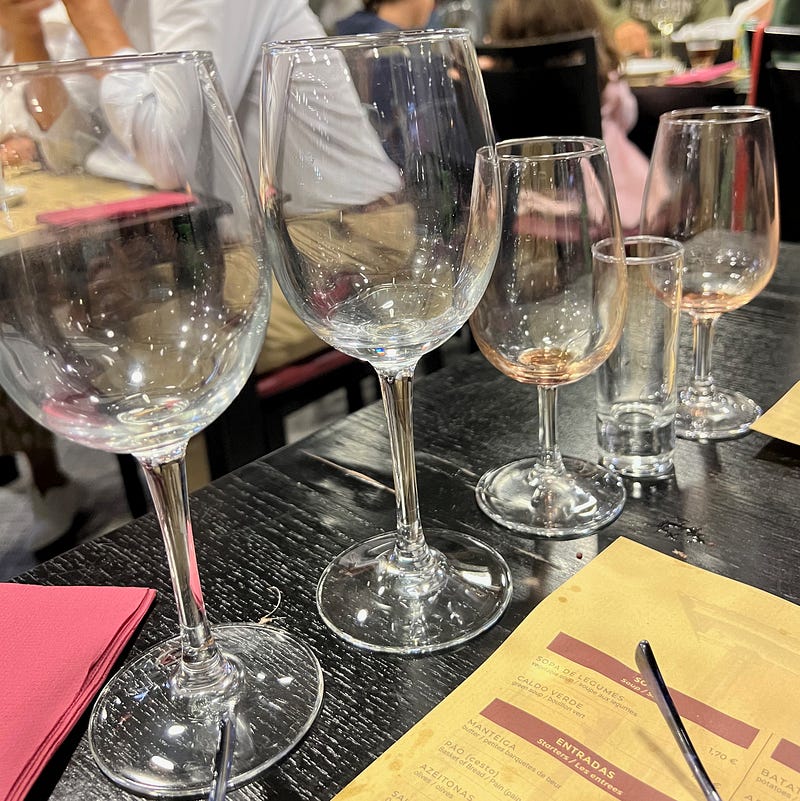
We drank all the wine. Photo by Shelley Rohm

I’ll admit that at first, I knew nothing about Port wine. What I thought I knew wasn’t really true. I had this idea that it would be a sweet sort of cheap wine that college kids drank at parties. But come to think of it, I never drank it in college and none of the people I knew did either.

This past August, I got to spend a beautiful 2 weeks in Portugal. My fiance and I went to check it out as a potential retirement country as we both love to travel and we both want to live in Europe. However, our bank accounts aren’t very large and Portugal was looking like the ideal place to lay down our roots for the next 30 years (we hope).

We set our sights on Porto given the weather, bohemian vibe, and seafood markets. But what I loved most was the wine.

My first taste of Port was at a small restaurant down by the river in the Matosinhos district close to the river and where the seafood comes in daily. We had an amazing meal of sardines (my first ever!), seabass, salad, and wine. We had a simple house wine of the Douro valley and I couldn’t tell you what brand it was. But when dessert was served, we ordered a glass of port. Well, we asked about the port, and our lovely waiter, who had shown us how to fillet a sardine told us not to worry about the brand. “No brand! The owner makes it!”

And OMG was it delicious! Turns out the owner of the restaurant not only deals in seafood but also has a vineyard. As a matter of fact, he was closing down for several weeks to go harvest grapes.

After that first sip, I was in love! It was rich, not too sweet, and so vibrant! Not to mention, the alcohol content was somewhere around 25%. This was a wine I could lose myself in.

The next day, we set out on a tour of the Douro Valley. This is where true port wine comes from. Do you know how it’s not Champagne unless it’s from the region in France? Same with port. The grapes are grown in Douro Valley and harvested in September and October. In many vineyards, the grapes are squashed the old-fashioned way: with the feet! Some told us you could not tell a difference between grapes smashed with feet or a machine, but I think there is a difference. Humans have a way of integrating souls into the spirits, and wine is certainly that. How could you not exude joy with grapes between your toes?

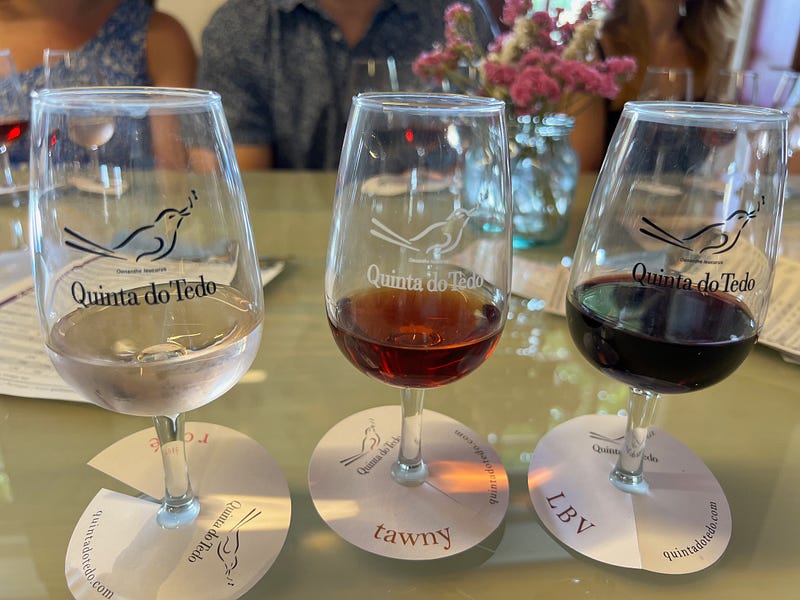
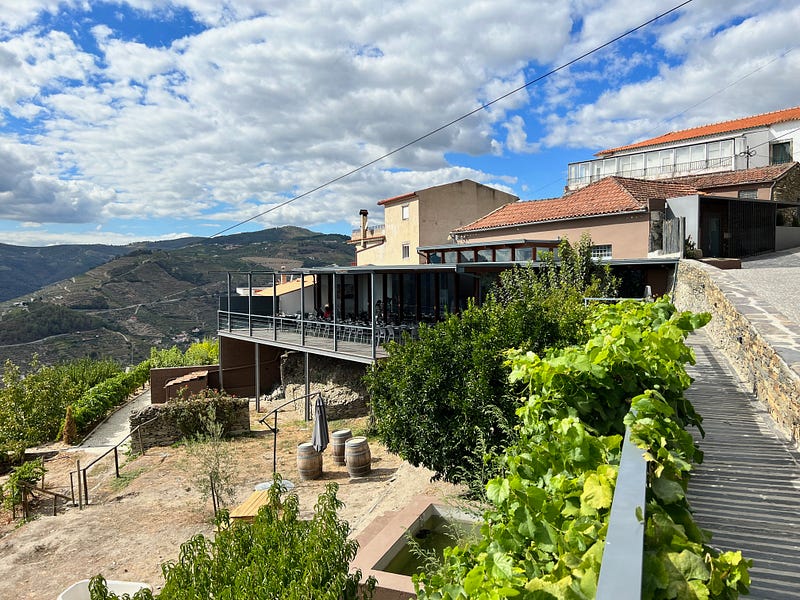
This wonderful tour, which I highly recommend (I’ll link here) takes you to two vineyards. The first we visited was Quinta do Tedo. The Tedo is a tributary that empties into the Douro River and the vineyard is right where the two meet. We took a tour of the wine-making facilities and then tried 3 of their ports. My favorite was the ruby. So rich and flavorful! They also made their own olive oil which was lovely.
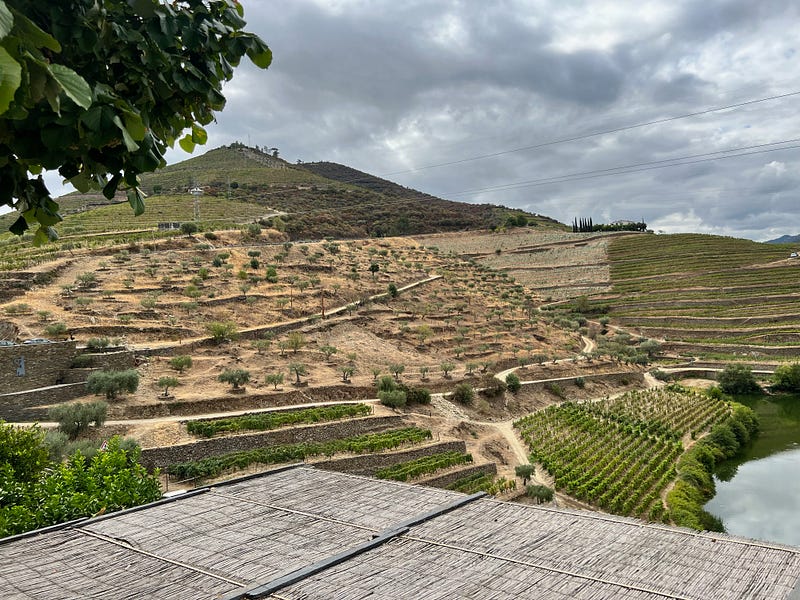
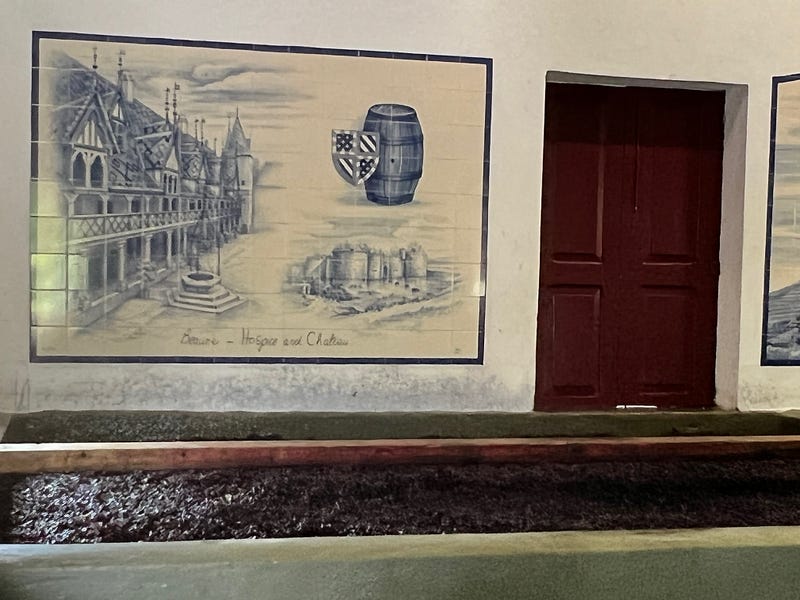
(Left) the Vineyards at Quinta do Tedo, (Middle) grapes ready to be smashed, and (right) 3 samples of port wine. Photos by Shelley Rohm

The second vineyard was up a grand hill, but totally worth the drive. D’Origem (the origin) is a family-owned vineyard that had great wines and an amazing view! The tasting also included the olive oil that they produce. They had a rose and a reserve red that was fabulous. No port wines here though.
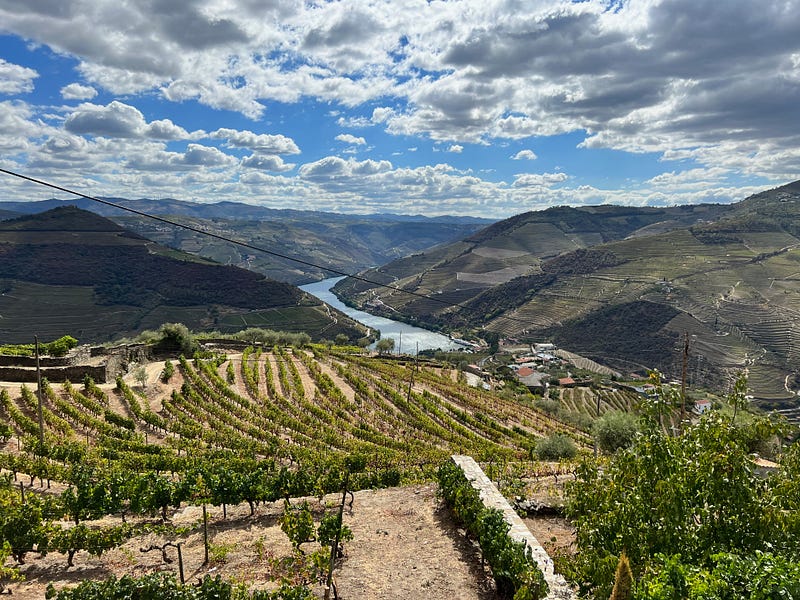
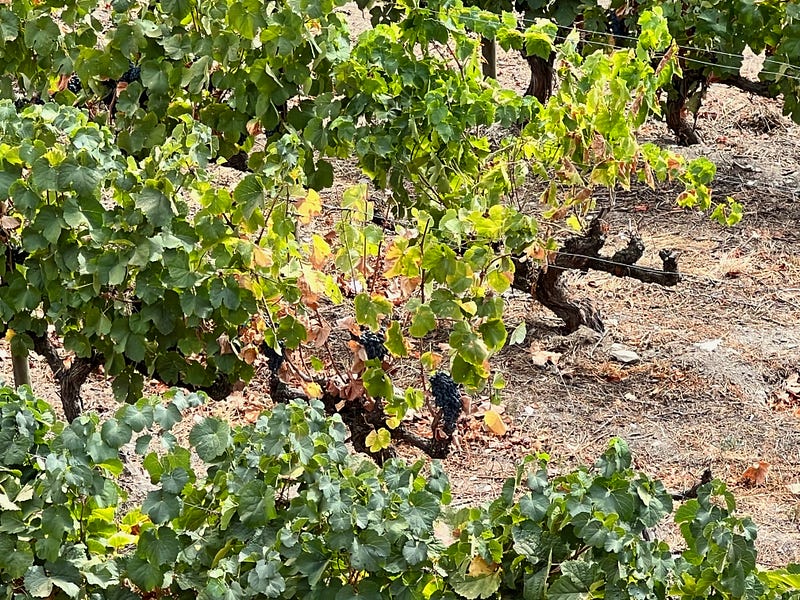
(Left) View of the Douro River from D’Origem, (Middle) grapes on the vine ready for harvest, (right) D’Origem vineyards. Photos by Shelley Rohm

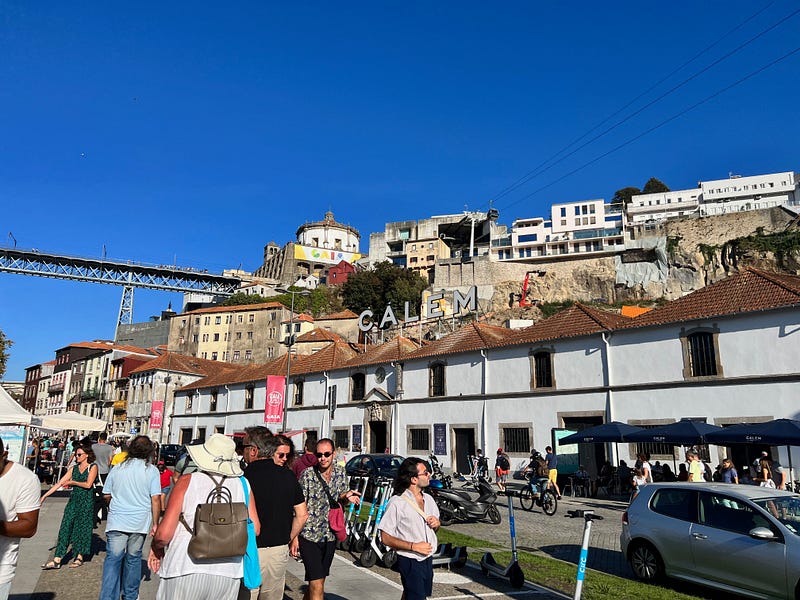
Back in Porto, we decided that we would venture over to Gaia and check out the port wine houses on the riverfront. This is a great place to hang out and shop for cheap souvenirs and listen to local artists play their music. However, if you want to dine, make sure you have a reservation. We found a neat little house right beside the Sandeman factory and asked to do a tasting. Six samples of port cost about €20. Plus, our waiter gave us half-full glasses. Needless to say, I had to take a walk to sober up!

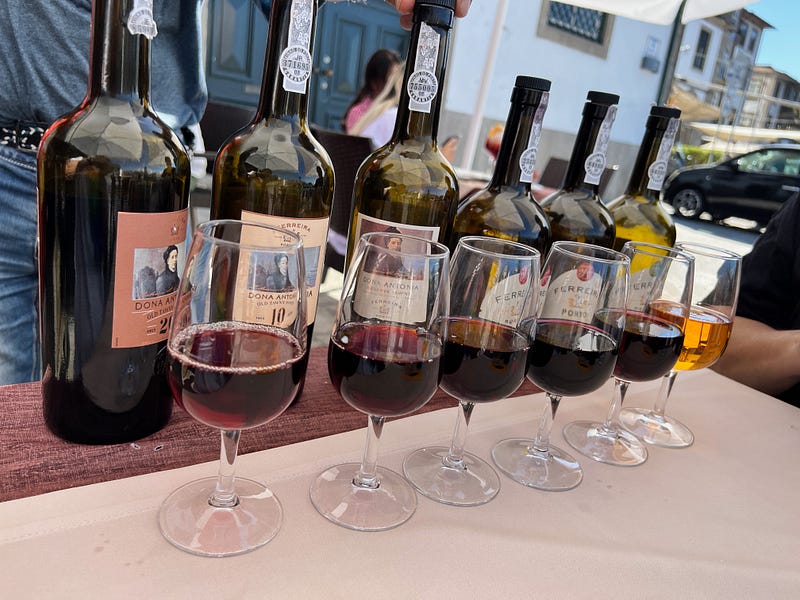
(Left) View of Porto from Gaia, (middle) our six tastings, and (right) shopping down on the waterfront at the wine houses. Photos by Shelley Rohm

From then on, where ever we ate, I was looking for port wine on the menus. Of course, most restaurants carry them. Back in the states, I have managed to find Sandeman Port in my local grocery store. I can’t wait to go back this February and taste some more.

Even if you think Port isn’t a wine for you, I encourage you to try it. You never know, you may find a new wine to love as we did!

Wine
Wine Tasting
Portugal
Travel
Monthly Challenge
Recommended from ReadMedium